Zibo · City Landmarks
Zhongshuge Bookstore at Haidai Tower
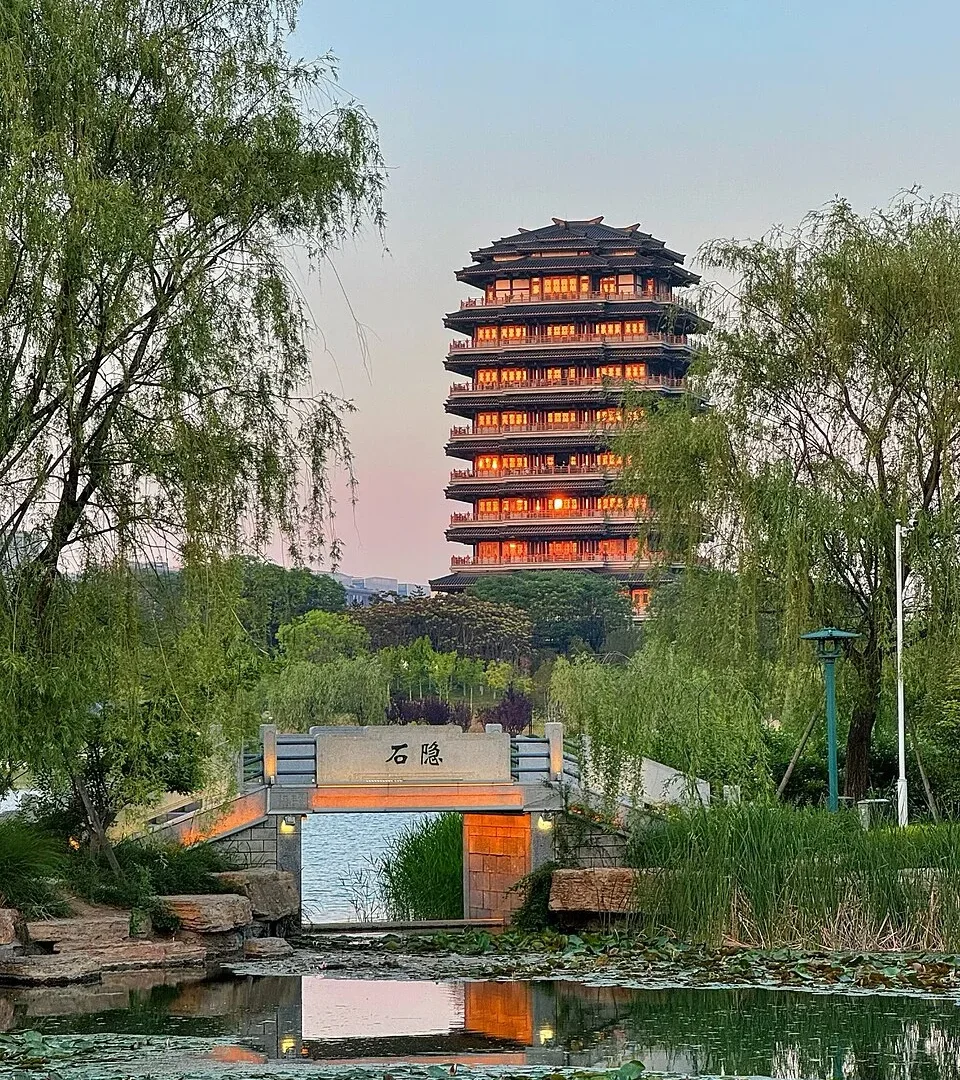
Standing on the opposite bank of Qisheng Lake at dusk, watching the Han-style pavilion light up floor by floor, its reflection shimmering on the water, I finally understood why the people of Zibo cherish Haidai Tower. Hidden within this tower is the largest single-site Zhongshuge bookstore in the country—a bookstore embedded in a landmark tower where the scent of books, the aroma of coffee, and stunning lake views coexist. Climbing the tower by day to overlook the city and waiting for the lights to flicker on by night is, in my mind, the most relaxing way to experience the “New Zibo.”
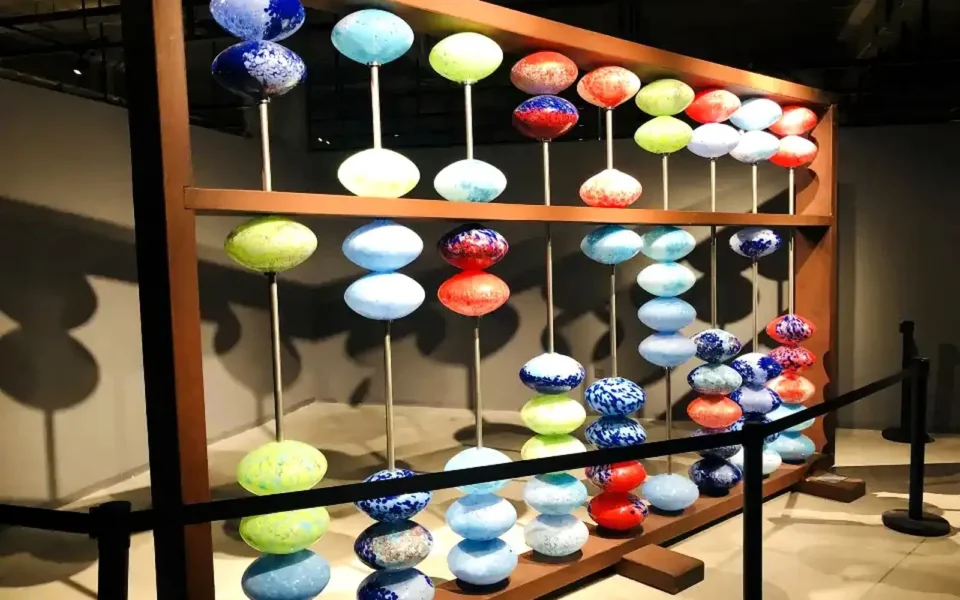
1. Location Overview: Haidai Tower is located within Qisheng Lake Park on Zhongrun Avenue in the Zhangdian District of Zibo. Occupying the highest point of the park, it is the most representative cultural landmark of the Zibo New Area. Built in the style of a Han Dynasty pavilion, the tower consists of ten levels—nine above ground and one below—with a total construction area of approximately 11,600 square meters and a height of 67 meters. It serves as both the crowning jewel of Qisheng Lake and the northern marker of the central axis of the Zibo New Area. Within the regional tourism landscape, Haidai Tower, along with Qisheng Lake Park, the Zibo Cultural Center, and the Ceramics and Glass Museum, forms the “cultural living room” of the new Zhangdian city, symbolizing Zibo’s transformation from an old industrial city into a fashionable and vibrant metropolis. Since the opening of Zhongshuge in 2022, it has rapidly become a trendy destination for locals and tourists alike, often serving as the first “city business card” visitors photograph when arriving in Zibo.
2. Cultural Context: The name “Haidai” is derived from the *Book of Documents (Shujing)*, specifically the phrase “Haidai wei Qingzhou,” referring to the vast land between the coast and Mount Tai in ancient times. The name was chosen to highlight the cultural breadth of the Qi region, which is embraced by both mountains and the sea. The building is based on Han-style pavilions, featuring intricately carved window lattices and flying eaves (dougong). It blends the rhythms of the Qi and Han dynasties with modern materials and craftsmanship, serving as a prime example of the dialogue between traditional form and contemporary aesthetics. In October 2022, the Haidai Tower Zhongshuge officially opened. This is the largest single-site Zhongshuge store in China and one of the few cultural complexes housed in a standalone building. The design incorporates Zibo elements such as the ancient capital of the State of Qi, ceramics and glass, and natural limestone caves, with nearly every floor having its own theme: the basement houses creative cultural products and the Haidai Lecture Hall; the 1st floor features books and coffee; the 2nd floor is dedicated to picture books and children’s literature; the 3rd floor is a city reading room; the 4th, 6th, and 8th floors house the Jixia Academy; the 5th floor features a whisky bar; and the 7th floor is a tea research center. As Zibo’s cultural living room, it hosts public exhibitions, cultural salons, and reading events year-round, weaving the profound Qi culture into the lightness of daily life. Due to this “bookstore in a tower,” Haidai Tower Zhongshuge has been praised by netizens as one of the “most beautiful bookstores in China.” During the years Zibo went viral, it became one of the city’s most mentioned landmarks, alongside the famous BBQ and the Ceramics and Glass Museum.
3. Key Highlights: First, the Han-style pavilion itself: standing 67 meters tall, the upper floors offer a panoramic view of Qisheng Lake and the New Area skyline, making it a prime spot for sightseeing and photography. Second, the surreal space of Zhongshuge: spiral bookshelves mirror the ceiling, creating layered reflections that make you feel as if you’ve stepped inside a book—a must-visit for art lovers and families. Third, the expression of Qi culture: architectural details and exhibits incorporate symbols of the Qi culture, with the “Jixia Academy” name serving as a distant echo of the famous Jixia Academy of the Warring States period. Fourth, the night view and light show: once night falls, the tower illuminates, pairing with the musical fountain of Qisheng Lake to create one of the most photogenic night scenes in Zibo. Fifth, the multi-functional experience: bookshelves, creative crafts, coffee, exhibitions, and lecture halls are all in one place. Many visitors come specifically for a cup of coffee and an afternoon of reading. The whisky bar on the 5th floor and the tea center on the 7th floor offer two distinct versions of “slow living”—one sipping drinks overlooking the lake, the other tasting tea by the window.
4. Visitor Information: Opening Hours: Zhongshuge at Haidai Tower is generally open from 9:30 to 21:00 (extended to 21:30 in summer). Qisheng Lake Park is open 24/7. Haidai Tower usually lights up around 18:30, with the light show starting around 20:00 and turning off around 22:00. Please check the “Zhongshuge Bookstore at Haidai Tower” official WeChat account for the latest updates. Admission: Free. No ticket, reservation, or ID is required to enter the building; however, coffee, cultural products, and certain experience projects are subject to separate fees. Transportation: Located in Qisheng Lake Park on Zhongrun Avenue, Zhangdian District. Several bus lines stop at Qisheng Lake Park Station (or the Park South Gate Station), and there are dedicated shuttle buses from Zibo Station. If driving, navigate to “Haidai Tower.” Parking is available around the park, though spaces are limited on weekends. Suggested Visit Duration: 1 to 2 hours, or half a day if you plan to spend time reading in the bookstore. Expect crowds on weekends and holidays; queues may form to access the upper floors during peak hours.
5. Travel Tips: The best time to visit is early evening: take a stroll around Qisheng Lake Park first, climb the tower for the night view as the lights come on, and then head back down into Zhongshuge to browse books and drink coffee. For a one-day itinerary, start at the Ceramics and Glass Museum in the morning, have lunch near the Cultural Center at noon, then head to Qisheng Lake and Haidai Tower in the afternoon, ending the day with the light show. Best Photo Spots: The opposite bank or the bridge for a full shot of the tower and its reflection; the spiral bookshelves and mirrored ceilings inside; and the upper-floor windows framing the skyline. For reflections, take one photo just before the lights come on and one after for the best contrast. Families are recommended to visit the 2nd-floor picture book area and the lakeside lawn. Study groups can focus on the Han architectural language and Qi cultural symbols. Seniors are advised to visit during the day for better lighting to see architectural details and to avoid the nighttime crowds. Focus your exploration on the origin of the name “Haidai,” the Han pavilion style, and the ingenious design of the bookstore. Pro Tip: Use a wide-angle lens looking up for the mirrored ceiling, and position subjects at the end of the bookshelves for the most striking shots. For empty shots without crowds, visit right at opening or on weekdays.
6. Best Season to Visit: All seasons are welcome. Summer and autumn offer the best night views and more frequent light shows, making them ideal for night photography and evening walks. Spring brings fresh greenery to the lakeside, perfect for a slow stroll. Winter is quiet and less crowded, though it can be windy by the lake, so bring an extra layer. You can easily combine this visit with the Zibo Ceramics and Glass Museum, the Zibo Municipal Museum, and Qisheng Lake Park for a half-day cultural route in the New Zhangdian area. If time permits, head east to Linzi to visit the Qi Culture Museum and the Ancient Chariot Museum, or west to the Zhoucun Ancient Commercial Town. For food, Zibo BBQ is a must; the New Area surrounding Haidai Tower has plenty of dining options, where BBQ shops and creative spaces sit side-by-side. Haidai Tower is a key to understanding the “New Zibo”—it packages the elegance of the Qi and Han styles into a climbable, readable building. It is free, photogenic, and meaningful. I suggest visiting in the late afternoon to witness the city’s gentle transition from industrial memory to cultural confidence. Qisheng Lake is beautiful year-round: spring greens, summer lotuses, autumn gold, and winter stillness. The same tower, but every season is worth a return visit.