Zibo · Museums & Academia
China Ceramics and Glass Museum
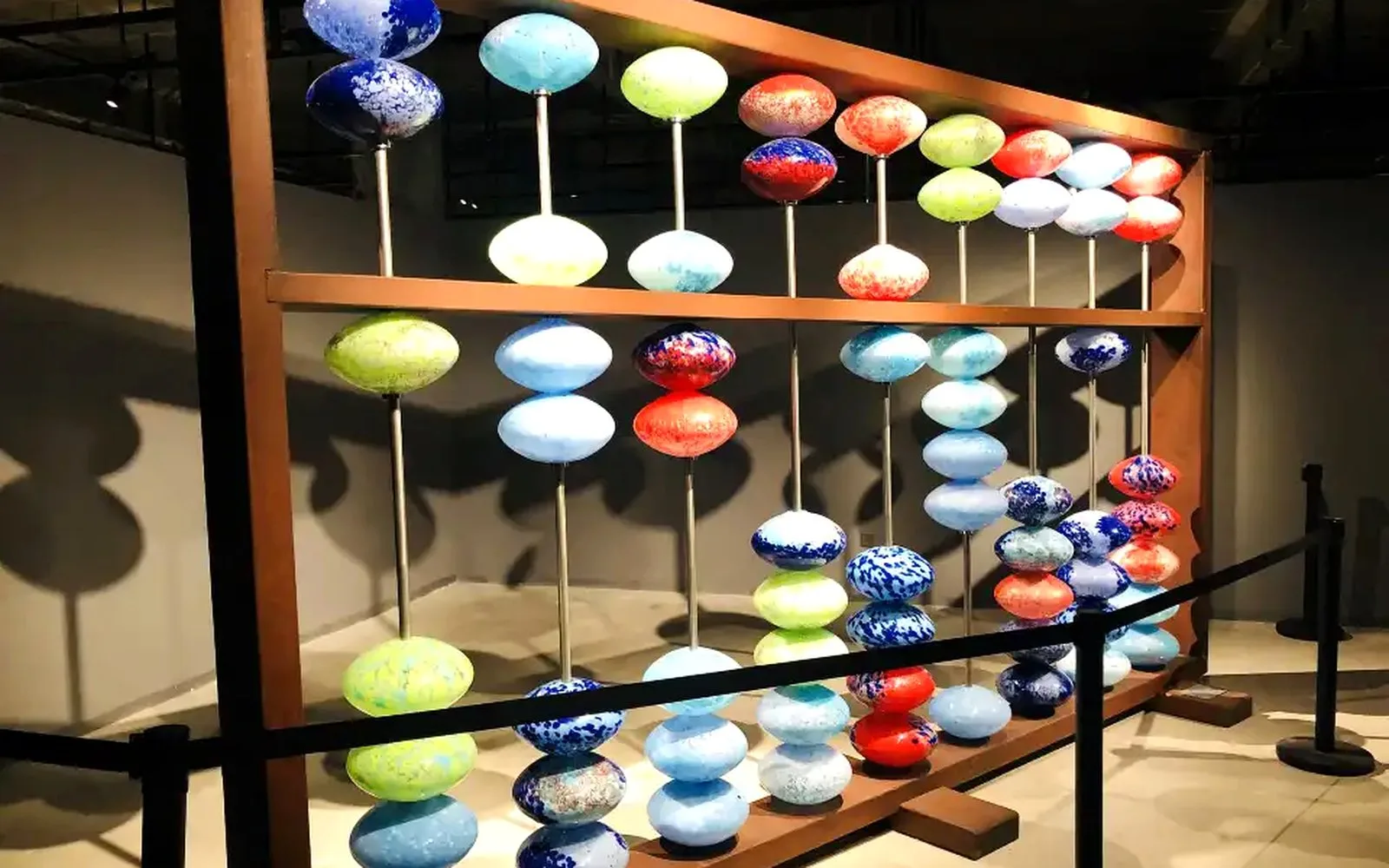
The confidence of Zibo as the “Ceramics Capital” is fully contained within this museum—from Neolithic pottery shards and Warring States period glass beads dating back over 2,000 years to Northern Dynasty celadon lotus vases and contemporary art porcelain, the history of Chinese ceramics and glass unfolds slowly before your eyes. I stood for a long time before a pale blue ancient bead just over four centimeters in diameter, and was later captivated by modern porcelain as thin as eggshells and as smooth as jade: it turns out the word “china” truly holds so many stories.
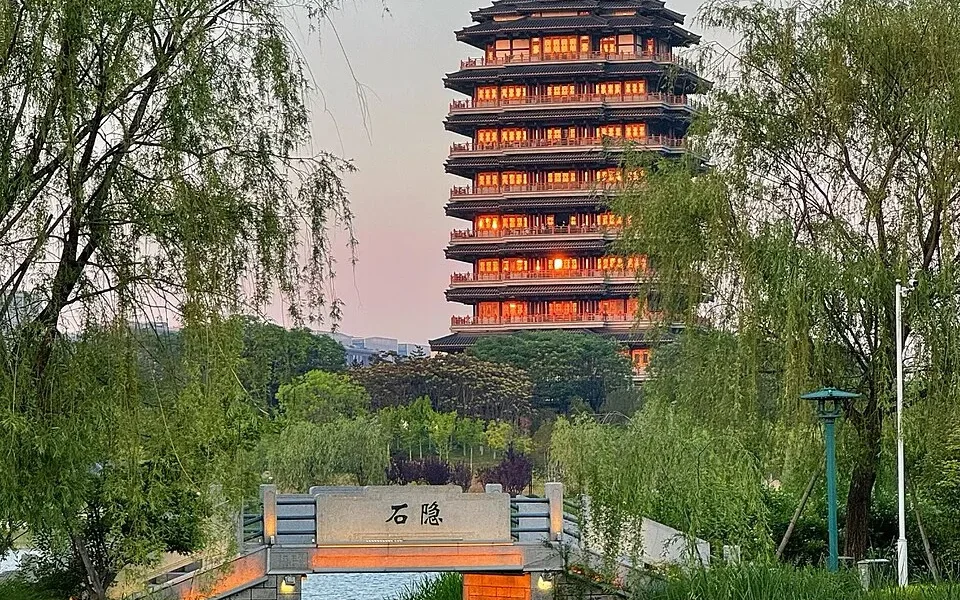
1. Location Overview:The Zibo Ceramics and Glass Museum (its appointment WeChat account is named “China Ceramics and Glass Museum”) is located at No. 320 Huaguang Road, Zhangdian District, within the Zibo Cultural Center. It is a national first-class museum and one of the largest and most comprehensive specialized ceramics and glass museums in China. The facility is grand, featuring 25 exhibition halls displaying over 16,000 exquisite pieces. Zibo’s pottery history dates back to the Neolithic Age, and it has been world-renowned since ancient times as a capital of porcelain and glass; this museum serves as the cultural palace of this famous city. In terms of regional tourism, it sits on the Zhangdian New City cultural axis alongside Haidai Tower and the Zibo City Museum, making it the premier destination for understanding Zibo’s industrial civilization and handicraft arts, as well as the city’s most prestigious professional calling card. The Cultural Center area also clusters public facilities such as the Grand Theater, Library, and Archives, all within walking distance, making it the undisputed cultural living room of Zhangdian New City.
2. Cultural Context:Zibo’s ceramics and glass lineage is exceptionally long: prehistoric cultural remains from the Beixin, Dawenkou, and Longshan periods have been discovered within its borders, showing that early ancestors were already capable of firing pottery. During the Warring States period, the Linzi area could produce lead-barium glass, marking the early emergence of glass craftsmanship. The celadon lotus vases of the Northern Dynasty represent a peak of Northern celadon. By the Ming and Qing dynasties, Boshan glass and Zichuan ceramics became world-famous, with ancient kiln sites like Zhaili and Cicu testifying to a millennium of kiln fires. Since the founding of the People’s Republic of China, Zibo ceramics have earned industry acclaim through innovations in modern porcelain types such as talc porcelain and high-quartz porcelain. Techniques such as inside-painted glass, lampworking, and glassblowing are masterfully executed; historically, precious colors from Boshan, such as “chicken-oil yellow” and “chicken-liver stone,” were sent as tributes to the imperial court. This museum evolved from Zibo’s specialized ceramics collection and was expanded and upgraded upon moving to the new Cultural Center venue, becoming a hub connecting ancient kiln fires with contemporary craftsmanship. It is open to the public for free via a reservation system, using large-scale exhibitions to tell the story of why Zibo is a renowned city of ceramics and glass, while carrying the mission of intangible cultural heritage protection and cultural tourism promotion, allowing millennial crafts to continue growing within display cases and interactive exhibits.
3. Highlights:First, a concentration of “crown jewels”: the Chinese Dragon Vase, standing approximately 6.6 meters tall at the entrance, provides an immediate and breathtaking first impression. In the Ancient Porcelain Hall on the second floor, the Northern Dynasty celadon lotus vase, with its rich glaze and dignified form, is a representative masterpiece of Northern celadon. In the Five-Color Hall, the Warring States glass bead kept in an independent temperature-controlled case—excavated in 1992 from the Shang King’s cemetery in Linzi—measures 4.2 cm in diameter; its deep blue glow preserves tiny bubbles, serving as physical evidence of early Chinese glass craftsmanship. Second, a comprehensive hall system: the Guqi Hall, Ancient Porcelain Hall, Imperial Kiln Hall, Five-Color Hall, Jingyao Hall, National Essence Hall, and Xinhui Hall each have their own themes, allowing visitors to read the general history of Chinese ceramics and glass from prehistoric pottery and famous historical porcelain to the achievements of the “national kilns” of modern China. Third, unparalleled glass art: masterpieces of inside-painting, lampworking, blowing, and wire-laying are radiant. The National Essence Hall uses immersive light and shadow to create an Oriental glass world, where a tiny inside-painted piece can contain an entire universe. Fourth, clear explanations of craftsmanship: multimedia and scene reconstructions break down the steps of clay collection, throwing, glazing, firing, and glassblowing, making them far easier to understand than text. Fifth, active temporary exhibitions and social education: the museum regularly hosts exchange exhibitions of ceramics and glass from home and abroad, as well as experience activities such as rubbing, pottery making, and glass beading, ensuring there is always something new to see.
4. Visitor Information:Opening Hours: Tuesday to Sunday 9:00–17:00 (entry stops at 16:30), closed on Mondays (except statutory holidays); extended hours are often available during summer and holidays, subject to official announcements. Tickets: Free admission, but real-name reservation is required 1 to 7 days in advance via the “China Ceramics and Glass Museum” WeChat official account or Alipay mini-program. Slots are limited during holidays, so be sure to book early; some special exhibitions and experience projects may charge a fee. Transportation: Located at No. 320 Huaguang Road, Zibo Cultural Center. By bus, take Route 7 to the Municipal Organs First Office Building stop (approx. 900m walk), Route 136 to the Cultural Center West stop (approx. 300m walk), or Route 160 to the City Library stop (approx. 800m walk). For driving, navigate to “China Ceramics and Glass Museum”; the Cultural Center provides both above-ground and underground parking. Suggested visit time: 2 to 3 hours. Food and drink are prohibited inside; please turn off the flash when taking photos. As many glass display cases are backlit, reflections are common; shooting from the side or getting closer to the glass yields clearer photos.
5. Travel Strategy:For a half-day trip, it is recommended to follow the order of Guqi Hall, Ancient Porcelain Hall, Imperial Kiln Hall, Five-Color Hall, National Essence Hall, and Xinhui Hall to first establish a timeline from prehistory to the present, then slow down in the glass section, leaving ample time for the Warring States glass bead, inside-painting, and lampworking. For a full-day trip, you can include the Zibo City Museum located in the same Cultural Center: visit the ceramics and glass museum in the morning, the city’s general history in the afternoon, and then head to Qisheng Lake in the evening to see the lights from Haidai Tower. Best photo spots: the backlit cases in the glass section, the modern porcelain shapes in the Imperial Kiln Hall, the high-ceilinged atrium, and the spiral staircase. Use side-lighting for glass cases to avoid reflections. Focus your attention on three main lines: the genealogy of Zibo kiln sites, the innovation of talc and high-quartz porcelain, and the “universe in a grain” of inside-painted glass. Families with children will enjoy the interactive exhibits and educational experiences; there are also stamp-collecting activities—check the official account for session times. Study groups should book a guided tour. Senior visitors will find weekdays more relaxed, and there are plenty of seats throughout the museum. Most importantly: book in advance to avoid disappointment due to capacity limits.
6. Best Time to Visit:Suitable for all seasons, as the indoor exhibitions are unaffected by weather. Summer and holidays have more activities but also more crowds; weekdays are better for a thoughtful experience, and winter halls are quiet and ideal for a slow stroll. You can easily link this with Haidai Tower, Zibo City Museum, and Qisheng Lake Park to form a half-day cultural route in Zhangdian. If time permits, head east to Linzi to visit the Qi Culture Museum and the Ancient Chariot Museum, west to the Zhoucun Ancient Commercial City to see the Northern trading port, or south to Boshan to visit the glass production sites and Yanshen Ancient Town. For a local experience, Zibo BBQ is a must-try city flavor. Pairing Boshan cuisine with Zibo porcelain tableware is an extension of the cultural journey; eating from a local porcelain bowl has a unique charm. Before leaving, consider picking up a small glass piece or porcelain tableware from the gift shop to take a piece of the kiln fire home. This is a professional museum that encourages you to slow down—it is free, grand, and rich in exhibits. Book in advance, allow two to three hours, and read the millennium of a city’s kiln fire through a single piece of pottery to truly appreciate it. Weekday mornings are the quietest time, allowing you to admire the details of the Warring States glass bead without queuing.