Rizhao · Mountains & Scenic Wonders
Wulian Mountain Scenic Area
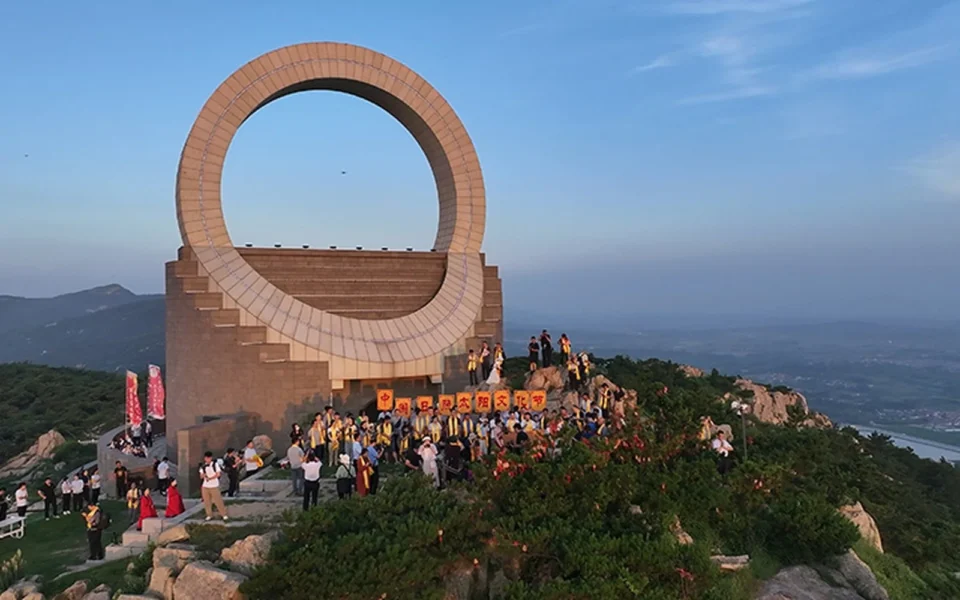
Wulian Mountain is a renowned peak in Rizhao, celebrated for being “unique, elegant, precipitous, and secluded”—featuring strange rock formations, seas of clouds, whispering pines, and Taoist and Buddhist temples. From the summit, the breathtaking scenery of mountains meeting the sea unfolds before your eyes. When shrouded in mist, it truly feels like an ethereal “fairyland.”
1. Location Overview: The Wulian Mountain Scenic Area is located within the Wulian Mountain Tourism Resort in the southeast of Wulian County, Rizhao. As a National 4A-rated tourist attraction and a National Forest Park, it is one of the most famous mountain destinations along the Yellow Sea coast in southeastern Shandong. The main peak, Wanghai Peak, stands at 515.7 meters above sea level. The mountain consists of a continuous range of peaks, and legend has it that it was named “Wulian” (Five Lotuses) because five peaks stand together, resembling a lotus flower. Located in the center of Wulian County in the transition zone between hills and the coast, it is approximately 60 kilometers (about a one-hour drive) from downtown Rizhao and about 20 minutes from Wulian County town. To the north lies Weifang and to the south is the Rizhao coast. In the regional tourism landscape, Wulian Mountain and the opposite Jiuxian Mountain together form the Wulian Mountain–Jiuxian Mountain Scenic Area. It serves as a core pivot for Rizhao’s tourism expansion from the coast to the mountains and is one of the few coastal mountains in the Qi-Lu region known for its unique elegance, giving visitors to Rizhao another reason to climb high and gaze at the sea.
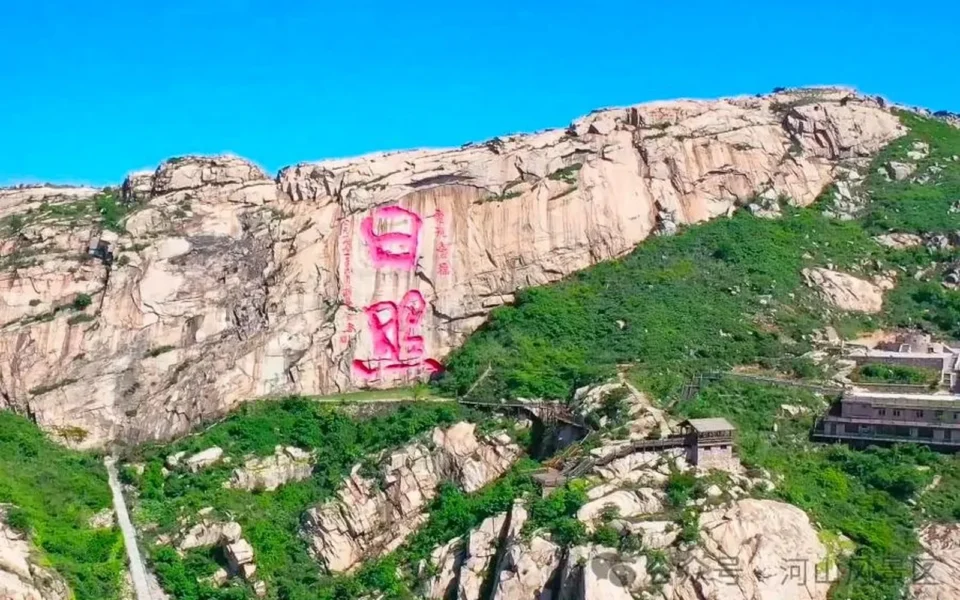
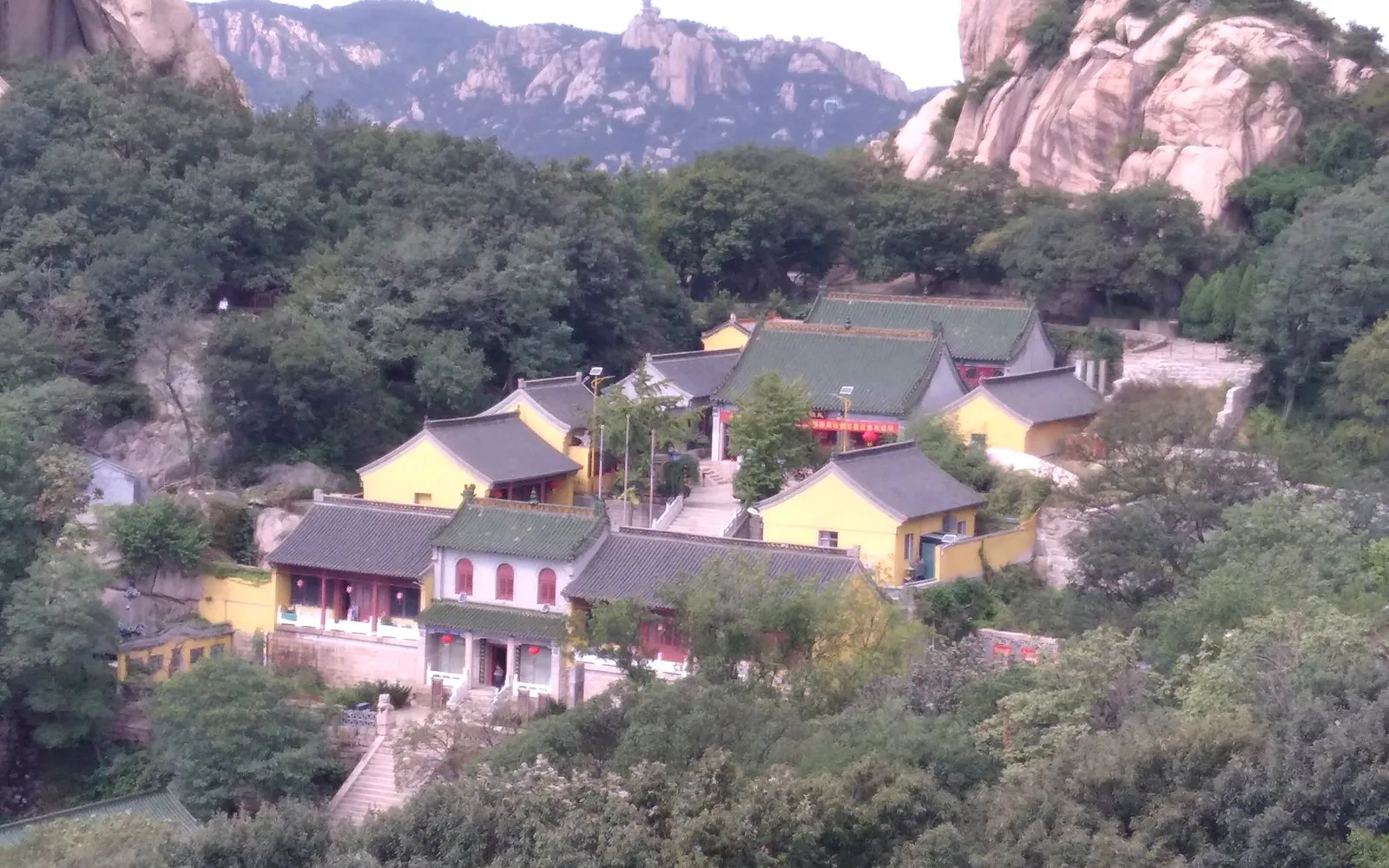
2. Cultural Context: Wulian Mountain is famous for its “Seven Excellences”: uniqueness, elegance, danger, strangeness, seclusion, mystery, and openness. During the Xining era of the Northern Song Dynasty, Su Shi served as the Governor of Mizhou, and the Wulian area was under his jurisdiction. Upon climbing the mountain, he praised it by saying, “Its uniqueness and elegance are no less than those of Yandang Mountain,” a phrase that has served as a cultural footnote for the mountain for over a thousand years. During the Wanli era of the Ming Dynasty, the imperial court ordered the construction of the Huguo Wanshou Guangming Temple. With red walls and black tiles built against the mountainside, the sound of Buddhist chants harmonizes with the strange rocks, and incense has burned here to this day; Guangming Temple is now listed as a cultural relic protection unit of Shandong Province. The mountain also features a natural stone Buddha that resembles a seated deity—from a distance, an entire cliff face looks like a Buddha with downcast eyes, known by locals as the Wulian Great Buddha, a must-see sight along the climb. Pavilions and halls are dotted among the peaks, rocks, streams, and springs. As part of a National Forest Park and a provincial geological park, Wulian Mountain carries both the ancient tradition of religious worship and serves as a site for geological education with its typical granite peak-forest landforms. It is a paradigm of the synergy between nature and humanity: Su Shi’s praise immortalized it in literature, while the imperial decree for Guangming Temple added a touch of royal prestige.
3. Highlights: Along the climbing path, you will encounter jagged rocks and crystal-clear mountain streams. Key landmarks such as the Five Elders Welcoming Stone, Su Shi’s inscriptions, “A Thread of Sky” (Yixiantian), and the Water Curtain Cave weave human history and nature into a readable narrative; in the narrowest gaps, you can only pass through sideways, which adds to the fun. Guangming Temple is a core must-visit; this Ming Dynasty royal temple sits halfway up the mountain with red walls hugging the cliff. Listening to the temple bells while gazing at the distant mountains creates a powerful atmosphere. There are also vegetarian meals and resting areas near the temple for hikers to recharge. From the summit of Wanghai Peak, you can overlook the surrounding mountains and, on clear days, see the horizon of the Yellow Sea. This perspective of “the mountain watching the sea” is rare among the famous mountains of Northern China, and the vastness felt at the top is enough to offset the fatigue of the climb. In April and May, azaleas bloom across the mountain, carpeting the slopes in stunning pink and purple. During the blooming season, the scenic area hosts azalea-themed events, and the trails are lined with photographers. Summer is cool and pleasant with babbling brooks. The area is equipped with shuttle buses and cable cars, ensuring that visitors of all fitness levels can reach the vistas, making this coastal mountain both challenging and accessible.
4. Visitor Information: Opening Hours: Approximately 8:00 AM – 5:00 PM year-round, with entry usually closing at 4:00 PM (please check daily announcements). Ticket Prices: Adult tickets are approximately 65 RMB. During holidays, crowd control may be in effect; online booking is recommended for stability. Students and seniors enjoy half-price discounts, and young children or the elderly are often free (subject to official policy). Joint tickets for Wulian Mountain and Jiuxian Mountain are available; travelers visiting both should compare the joint ticket price with individual tickets. Shuttle buses are approximately 20 RMB round-trip, and the cable car is approximately 40 RMB one way. Inquiry Hotline: 0633-5666111. Transportation: Driving is the most convenient. Use navigation for “Wulian Mountain Scenic Area Visitor Center.” The main entrance is the East Gate. It is about a one-hour drive from downtown Rizhao via the highway and about 30 minutes from Wulian County town. Parking is charged per entry (approximately 10 RMB for small cars). For public transport, go to Wulian County town first, then transfer to a bus or the visitor center shuttle. The mountain paths involve steep climbs, and the trek from the gate to the midway point is long; the shuttle bus is highly recommended for those with average fitness. We suggest wearing non-slip shoes and bringing a jacket, as the summit is several degrees cooler than the base. Please be mindful of safety during the rainy season, no open flames are allowed during fire prevention periods, and since there are few supply points on the mountain, it is recommended to bring your own water and snacks.
5. Travel Guide: Recommended One-Day Itinerary: Arrive at the Visitor Center in the morning and take the shuttle to the midway drop-off point. Visit the Five Elders Welcoming Stone and Su Shi’s inscriptions, then pray at Guangming Temple. Proceed to the summit of Wanghai Peak to overlook the mountains and the sea. In the afternoon, hike down via the trails to visit “A Thread of Sky” and the Water Curtain Cave while admiring the azaleas and strange rocks. Total time: approximately 4 to 5 hours. For lunch, try a bowl of vegetarian noodles near Guangming Temple or eat in Wulian County town after descending. For those only visiting Guangming Temple and Wanghai Peak, three hours is sufficient. To save energy, take the shuttle up and walk down to see the rocks in detail. The wind is strong at the top of Wanghai Peak, so please hold on tight when taking photos. Weekends during azalea season are crowded; weekdays are preferred. Best photo spots: the red walls of Guangming Temple against the distant mountains, the sea of clouds and sunrise at Wanghai Peak, and figures amidst the azalea fields. From 9:00 AM to 11:00 AM in autumn, the light is most transparent, and the red leaves under the forest canopy are most photogenic. For guided tours, focus on the anecdotes of Su Shi, the history of the imperial decree for Guangming Temple, and the “Seven Excellences” landforms. For educational trips with children, try identifying granite joints and weathering marks—every strange rock is a geology lesson. This destination is suitable for family nature education, hiking study trips, slow travel for seniors (using shuttles to reduce strain), and photography enthusiasts.
6. Best Time to Visit: The azalea sea in April and May is the most stunning period of the year. Other wildflowers like Forsythia and wild cherry blossoms bloom in succession, so the azaleas aren’t the only stars. Summer is ideal for escaping the heat, serving as a “back garden” for nearby cities. Autumn features high skies and light clouds, with Japanese wax trees and maples turning colors from late October to mid-November. Winter occasionally brings snow, creating a quiet, cold beauty. Wulian Mountain and Jiuxian Mountain face each other across a valley and share a visitor center. You can buy a joint ticket to visit both—one for unique peaks and ancient temples, the other for secluded caves and flower seas. We suggest scheduling these over two days for a complete mountain culture journey, confirming the praise that its “uniqueness and elegance are no less than those of Yandang.” While here, try the local farmhouse feasts, acacia flower cakes, and Rizhao green tea—these are the honest flavors of the mountain folk. A farmhouse meal and a cup of fresh tea after the descent will let the mountain’s freshness travel from your palate to your heart, bringing a refined end to your day.