Nantong · Lakes & Waterfront
Binjiang Park
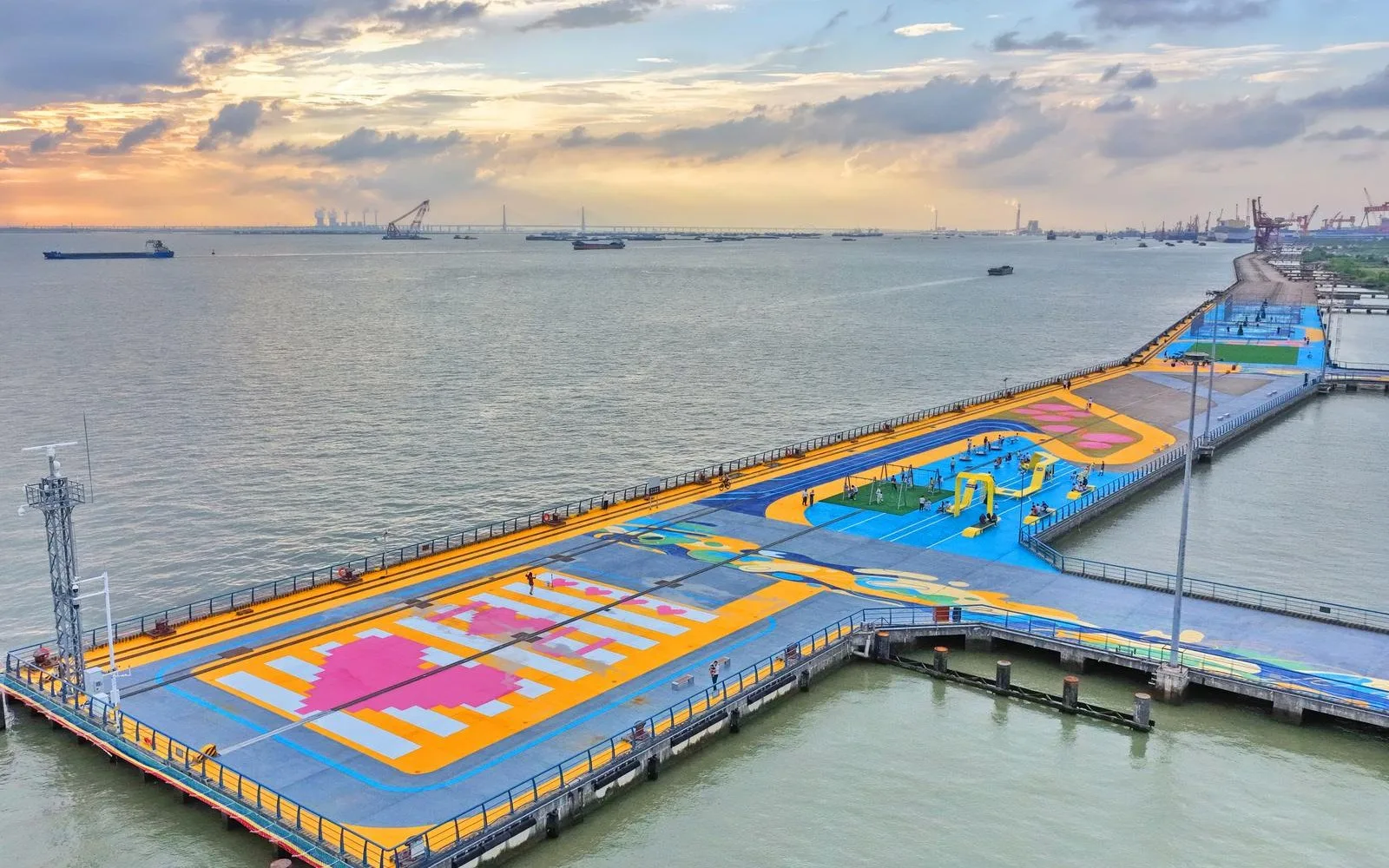
Binjiang Park is the closest stretch of shoreline to the Yangtze River in Nantong. Standing on the riverside promenade, the river breeze brushes against your face as the Yangtze opens up into a vast expanse of water, with the silhouette of the Jiangnan region visible on the opposite bank. In the evening, the river is painted gold by the sunset; strollers wander slowly and anglers sit in quiet contemplation—this is the most quintessential daily river view for the people of Nantong. While tourists often set the peak of Langshan as their final destination, locals know that taking a stroll along the river after descending the mountain is the only way to truly experience both the mountains and the river of Nantong.
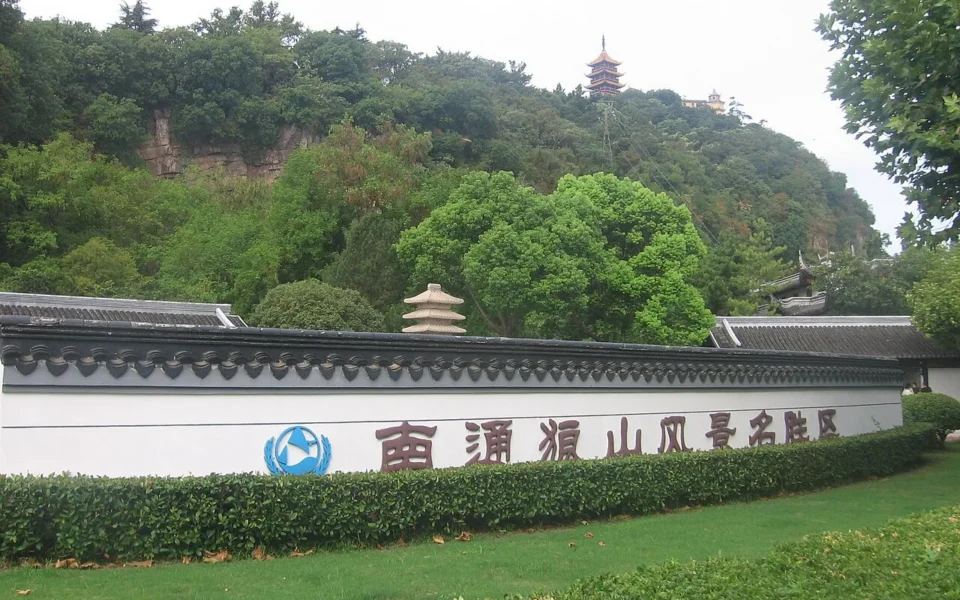
1. Location Overview:Binjiang Park is located at the southern foot of Langshan in Chongchuan District, on the north bank of the Yangtze River. It is a riverside belt of the Langshan Scenic Area and part of the Wushan Riverside District. To the north, the park overlooks the various peaks of Langshan, and to the south, it faces the Yangtze River. Covering approximately 375 acres, it is divided into four zones: the Port Charm Area, the Riverside Scenic Area, the Leisure New Horizon Area, and the Traditional Urban Culture Area. The Langshan Scenic Spot, where the park is located, is a national 4A-level tourist attraction consisting of five mountains: Junshan, Jianshan, Langshan, Ma’anshan, and Huangnishan. These five mountains are arranged along the river and connected by greenways; Binjiang Park is the gentlest and most water-friendly section between the five mountains and the river. Bus 88 provides direct access to the Langshan Tourist Center, from which the park is just a short walk away. The park is the closest public shoreline to the Yangtze in the urban area of Nantong and serves as the riverside finale for tours covering Langshan, Siyuan, and the Garden Expo Park. Here, the mountain and river converge to form the geographical image of Nantong as the “Gateway to the River and Sea.” Along the Wushan riverside shoreline, the open banks stretch far, and Binjiang Park is the most developed and lively section, making it the most reliable entry point for visitors to experience Nantong’s river scenery.
2. Cultural Context:Nantong flourished because of the river. Since ancient times, the Langshan area has been a strategic point for shipping and river defense at the mouth of the Yangtze. Langshan is known as the “First Mountain of the River and Sea,” and the Guangjiao Temple on its peak is a renowned Buddhist site with a long history of devotion. The riverbank below is where the people of Nantong connect with the water. The five mountains standing by the river are rare landmarks along the Yangtze’s journey east; in the past, boatmen knew they had reached Nantong as soon as they spotted Langshan from afar, making the mountain a city coordinate etched into the shipping lanes. In modern times, Zhang Jian led the embankment projects to protect Nantong’s shoreline, gradually transforming the riverside from mudflats and reed marshes into an urban waterfront. The Dasheng Cotton Mill and the Museum and Botanical Garden founded by him pushed this small riverside town to the forefront of modernization, and Zhang Jian himself now rests in Siyuan, located beside the five mountains. Today, Binjiang Park returns the widest stretch of the riverbank to the citizens. The river breeze, the reeds, and the walkways tell the story of the city’s relationship with the Yangtze—from relying on the river for survival to coexisting with it. While the function of this shoreline has changed, the habit of the people of Nantong to gaze upon the river remains. Langshan is also listed as one of the eight minor famous Buddhist mountains, and Guangjiao Temple at the summit is the dojo of Mahasthamaprapta Bodhisattva. During Buddha’s birthday and the Lunar New Year, the flow of pilgrims climbing the mountain meets the flow of visitors descending to see the river at the foot of the hill; incense and river breeze are the two most characteristic scents of this mountain.
3. Highlights:The greatest attraction is the river itself. The Yangtze is wide here, with gulls skimming the surface and ten-thousand-ton cargo ships gliding slowly by. The golden-red hues of the river during sunset make this the most photogenic time of day. In the early morning, when the river mist is thick and ships blow their horns as they pass through the fog, the scene transforms entirely. The riverside promenade is flat and easy to walk, connecting the four functional zones: the Port Charm Area offers a close-up view of the bustle of Nantong Port; the Riverside Scenic Area features large riverside lawns and observation platforms; the Leisure New Horizon Area is perfect for children to run wild; and the Traditional Urban Culture Area retains the atmosphere of old Nantong. The reed beds and wetlands are habitats for gulls and migratory birds, which are most active during their passage in spring and autumn; if you are lucky, you might spot a finless porpoise flashing through the waves. Looking back, you can see the peaks of Langshan; capturing the mountains and river in one frame is a rare photographic opportunity in Nantong. There are no walls or thresholds along the river; wherever you walk, the river is there. Every spring and autumn, flocks of migratory birds stop at the beach wetlands to refuel, and birdwatchers with long telephoto lenses wait by the reeds, creating another early morning landscape. The observation platforms in the Riverside Scenic Area reach out toward the water, and standing on the outer edge, the river laps just beneath your feet.
4. Visitor Information:The park is free and open 24/7 year-round. A visit typically takes 1 to 2 hours, with the evening sunset being the ideal time to visit. Specific management arrangements are subject to official announcements. Transportation Guide: Buses 88, 5, 13, and 22 can take you to the Langshan Tourist Center, from where you can walk into the park. After exiting at Langshan Station on Metro Line 1, you can also transfer to a bus or rent a bike. For those driving, navigate to “Binjiang Park”; parking is available around the Langshan Tourist Center. The river breeze can be strong, so a light jacket is recommended. As the walkways are adjacent to the water, parents are advised to keep a close eye on their children. Remember sun protection in summer and warm clothing in winter. Barbecuing is prohibited in the park; visitors wishing to picnic may use the lawn areas responsibly and must take their trash with them. Please note that while the park itself is free, the Langshan hiking area to the north, Siyuan, and the Garden Expo Park all require separate tickets. Be sure to distinguish between these sites’ ticketing policies before your visit. Rest benches, observation platforms, and public restrooms are available along the path, making it a comfortable walk for the elderly and children.
5. Travel Tips:The recommended route is to take the bus to the Langshan Tourist Center, then walk west along the riverside promenade through the Port Charm Area to see the ships and docks, then double back to the large lawns and observation platforms of the Riverside Scenic Area. Enjoy the river first, then look back at Langshan, and wait for the sunset in the evening. You can combine this with Langshan and Siyuan for a half-day trip: climb Langshan in the morning to see Guangjiao Temple and the panoramic river view, then visit Binjiang Park in the afternoon. Those with more energy can extend their journey along the Wushan riverside greenway to the Garden Expo Park, covering the entire Wushan area in one line. The best photo spots are on the riverside path for the river and sunset, and looking back to frame Langshan and the river together. When the river is misty in the early morning and ships appear and disappear in the fog, it creates a scene favored by local photographers; sunrise is equally worth waking up for. The park is ideal for family strolls, couple’s dates, running, and cycling. The flat and continuous riverside greenway is a favorite route for Nantong’s runners and cyclists. Even just sitting and watching the river can provide a long-awaited sense of relaxation. Cyclists can also start from Binjiang Park and ride along the Wushan riverside greenway to other areas; the route is mostly riverside with little elevation gain, making it the most classic leisure cycling line in Nantong.
6. Best Time to Visit:Spring and autumn are the best seasons. From March to May and September to November, the river breeze is mild and the reeds are either budding green or turning yellow, making for the most comfortable walking weather. In spring, sightings of finless porpoises are occasional “easter eggs” for river watchers. Summer evenings are cool and ideal for sunsets, though sun protection and hydration are necessary during the day; during the plum rain season, river levels rise and some waterfront paths may be restricted, so check for park notices before traveling. In winter, the river breeze is biting and the landscape is desolate, but visibility on clear days is the best of the year, allowing you to see the silhouette of Jiangnan on the opposite bank, and migratory birds gather in flocks. You can link your visit with Langshan, Siyuan, and the Garden Expo Park, and after exploring the river, head into the city to taste Nantong’s local snacks and river delicacies. In Nantong, Binjiang Park is not a landmark to be “conquered,” but a shoreline to return to time and again—a fine evening with good weather is its best moment. On the windiest days after winter begins, visibility is often at its peak, and the sunset burns the river into a sheet of molten gold, making it a “hidden peak season” for local photographers.