Rizhao · Ancient Towns & Old Streets
Dongyi Town
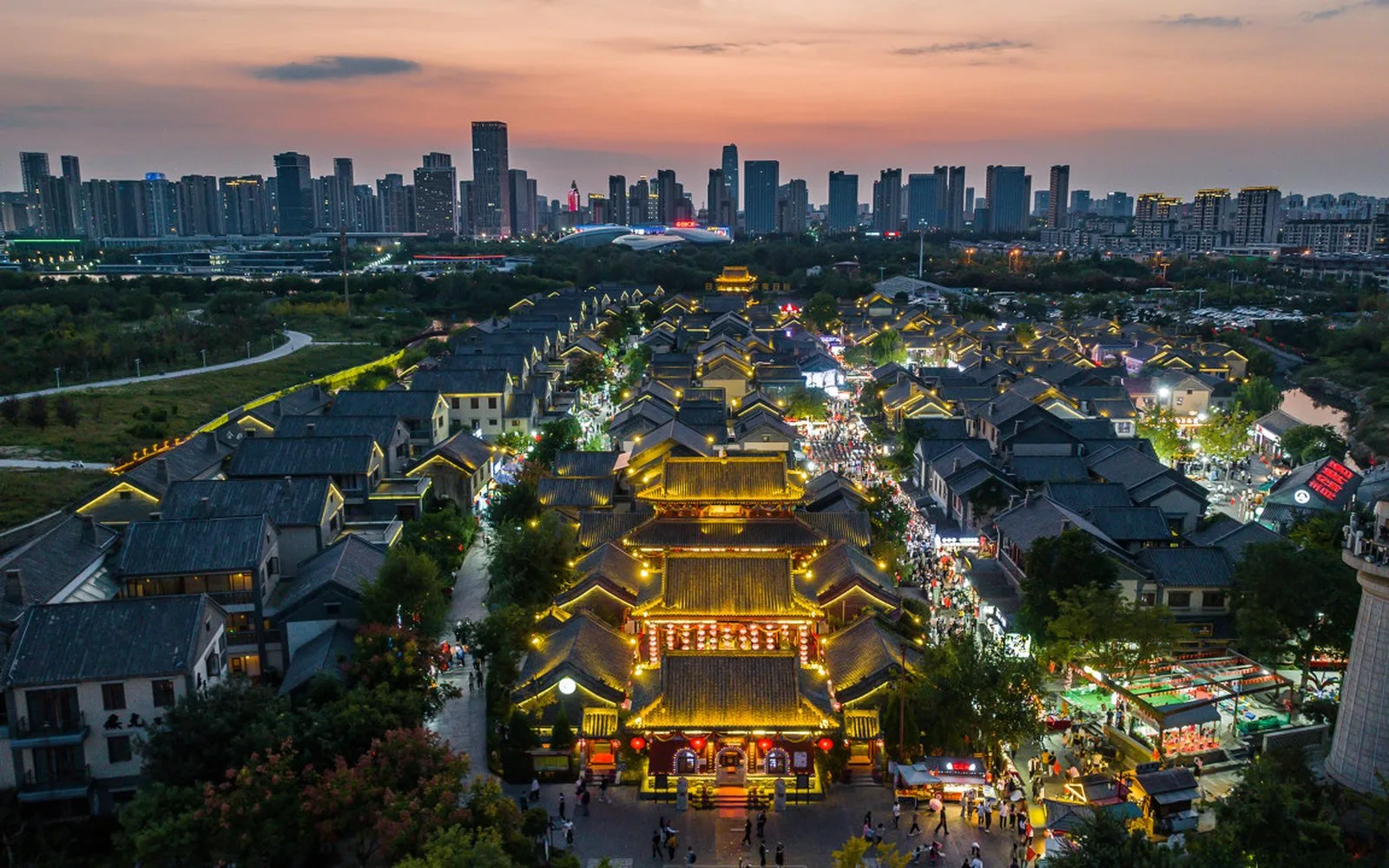
After watching the sea at Wanpingkou, I followed the crowd into Dongyi Town. As the sky gradually dimmed, lanterns along the blue flagstone paths lit up one by one. The thick silhouettes of the seagrass roofs emerged in the twilight, and the aroma of grilled squid and sea-sand noodles wafted through the alleys. A lady selling seafood pancakes called out to me to try a fresh batch, the distant sound of gongs and drums echoed from the opera stage, and children ran across the bridge clutching sugar paintings. This town, located just a few hundred meters from the ocean, has preserved the authentic, bustling atmosphere of a traditional fishing village.
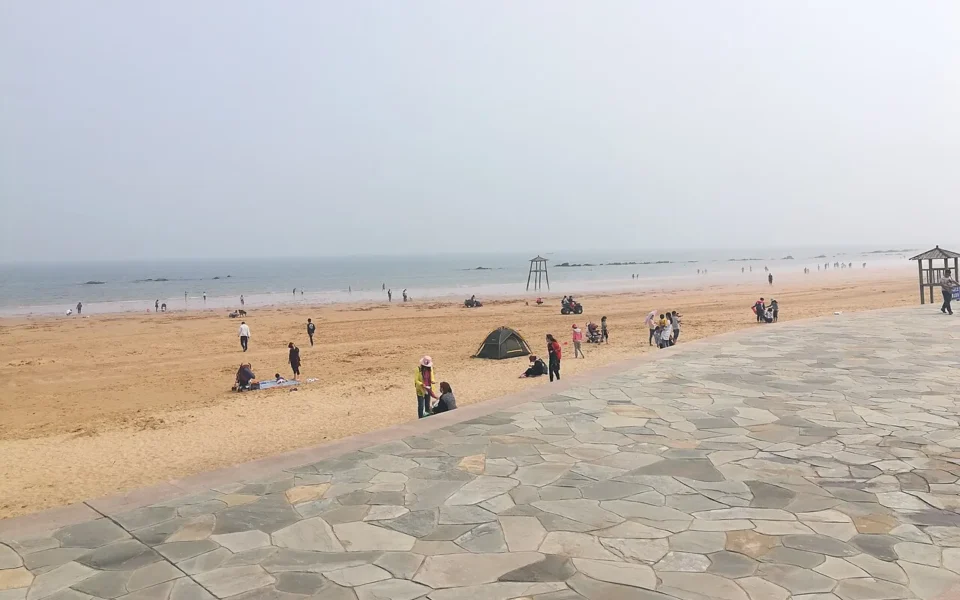
1. Location Overview: Dongyi Town is located in the Donggang District of Rizhao, situated at the southwest corner of the intersection of Bihai Road and Lvzhou Road, at the northern end of the Olympic Water Sports Park. Adjacent to the Wanpingkou Beach Scenic Area and only about 600 meters from the coast, it is known as “China’s ancient town closest to the sea” and is currently a national 3A-level tourist attraction. The town is designed as an island surrounded by waterways, with arched bridges and flagstone paths connecting various areas. It is divided into two main zones: the Fishing Culture Theme Island and the Folk Culture Experience Island. The Food Street, Bar Street, and Cultural Creative Street sit side-by-side, hosting dozens of restaurants and hundreds of guesthouse rooms, capable of accommodating over ten thousand visitors at once. Its location is ideal: bordered by the golden sands of Wanpingkou to the east and overlooking the city lights of Rizhao to the north. It is a natural stopping point on any coastal itinerary. A common one-day rhythm for many travelers is to visit the sea by day and explore the town by evening; there is no need for taxis or rushing—once you are tired of the beach, the town is just a few steps away. With no walls or main gates, you can enter through any alley, giving it the feel of a living fishing village rather than a curated movie set for photos.
2. Cultural Context: “Dongyi” was the term used during the pre-Qin period to refer to the eastern tribes, and the Rizhao area was one of the important birthplaces of the Dongyi civilization. The region is dotted with Longshan culture remains, such as the ruins of two ancient towns, and the legacies of Ju culture and Sun culture are deeply etched into this land. The site of the town was originally Dongjiatan Village in Qinlou Subdistrict, a traditional fishing village where generations lived by the sea, fishing, weaving nets, and drying salt in harmony with the tides. In 2012, the town was planned and constructed with the vision of “replacing an old village, bringing in an industry, and enriching the local people.” Villagers moved into resettlement housing, and the old village was transformed into the Fishing Culture Theme Island and the Folk Culture Experience Island. The town officially opened for business during the May Day holiday in 2018, receiving approximately 1.5 million visitors in its first month. It is not a fabricated ancient town but a rebirth of a fishing village on its original site—many of the restaurant and guesthouse owners are descendants of the Dongjiatan fishermen, and their seafood recipes are traditional skills passed down from the fishing boats. Thus, “Dongyi” is not just a historical term, but a footnote to the ancestral way of life of the villagers.
3. Highlights: The most recognizable feature of the town is the “seagrass houses.” These old dwellings, with roofs layered with thick seagrass, are warm in winter and cool in summer. Once standard for fishing families along the Jiaodong coast, these houses now appear in clusters throughout the town, forming a picturesque coastal scene alongside the stone streets, arched bridges, and flowing water—making them the most popular backdrop for photos. Food is the main attraction here: the Food Street gathers local Rizhao flavors such as sea-sand noodles, Spanish mackerel dumplings, shrimp rolls, seafood pancakes, and grilled seafood, supplemented by snacks from other regions. The “Shandong 108 Craftsmen” section of the Cultural Creative Street features intangible cultural heritage handcrafts and artisan stalls; watching craftsmen weave baskets, create wax paintings, or make sugar art is far more interesting than simply buying the finished product. Local operas and folk performances are held occasionally at the opera stage tea house, while the Liuyi Academy is quietly tucked away in a deep alley, and the Dragon God Temple preserves the tradition of fishermen praying for safety before heading to sea. The most beautiful moment is at dusk when the lanterns reflect on the water, making the entire town look like floating fishing fires in the night. The night scenery of the waterways is especially suited for slow-shutter photography; with a long exposure, the reflections of the lanterns create delicate ripples of light, adding a great sense of atmosphere to any shot.
4. Travel Tips: Dongyi Town is an open district with free entry, and the streets are accessible all day. Shops and venues generally operate from 09:00 to 21:00; dining and activities are priced individually, subject to official announcements and actual store operations. For transportation, you can take bus lines such as Tourism Line 1 (You 1) and get off at the Dongyi Town stop, or walk for about ten minutes from the Wanpingkou Scenic Area. If driving, you can use the parking lots at Wanpingkou or around the town, though parking is very tight during peak season evenings; buses or ride-hailing services are recommended. There are many guesthouses in town, but prices rise significantly and rooms sell out quickly during peak season; please book in advance. A few reminders: the town is full of water and bridges, so please keep a close eye on children at night. When ordering seafood, clarify the price and measurement method first and keep your receipts. To ensure a pleasant experience, you can report any consumption disputes to the scenic area management. Guide maps and restroom signs are located throughout the main streets; first-time visitors are advised to take a photo of the guide map at the entrance to avoid getting lost in the similar-looking alleys.
5. Itinerary Guide: Dongyi Town is best experienced by “entering at dusk and staying late.” It is suggested to spend the afternoon playing in the water and enjoying the sea at Wanpingkou, then enter the town around 5:00 PM. Start with a slow dinner along the Food Street—keep the sea-sand noodles and Spanish mackerel dumplings as your main course, while snacking on grilled squid and oysters as you walk. As darkness falls, head to the arched bridge in the center of town to watch the lanterns light up; capturing the water, lights, and seagrass houses in one frame is the most photogenic moment of the trip. After dinner, stroll through the Cultural Creative Street to digest, browse the 108 Craftsmen’s handiworks, pick up some seafood souvenirs, and spend some time listening to a play at the opera stage tea house. If you have plenty of time, staying overnight allows you to avoid the crowds; the town is as quiet as a real fishing village in the early morning, and you can walk to the beach for the sunrise and a traditional fisherman’s breakfast. Families with elderly members or children should note that the stone paths can be slippery when raining and there are not many benches; it is most comfortable to take your time and walk at your own pace. The town is not large, and a thorough visit takes about two to three hours. If you have luggage, you can store it at your guesthouse or use the facilities at Wanpingkou to explore the town unburdened, rather than dragging suitcases over the bumpy stone paths.
6. Best Time to Visit: The golden time for Dongyi Town is summer nights. From May to October, the sea breeze is refreshing, the Food Street is buzzing, and the night market atmosphere is at its peak, perfectly complementing a night tour of the Wanpingkou coast. In spring and autumn, there are fewer tourists, the daylight is soft, and the sea breeze is mild, making it ideal for slow exploration, photography, and a lunch without queues. In early September, when the fishing moratorium ends and the boats return to sea, the catch is most abundant and the seafood on the town’s tables is at its freshest and plumpest—a secret favorite time for foodies. In winter, the seaside wind is strong and some shops shorten their hours, but there are few tourists and guesthouse prices are friendly; enjoying a bowl of hot soup noodles while looking at the winter sea has its own serene charm. Folk performances and market activities are often held during holidays; please check official announcements for specific schedules. Regardless of when you visit, it is recommended to schedule the town for the evening—its true charm only reveals itself when the lights come on and the aromas fill the alleys. Most people who visit say: the daytime of Dongyi Town belongs to the fishing village, but the night belongs to the town itself.