Changzhou · Museums & Academia
Changzhou Museum
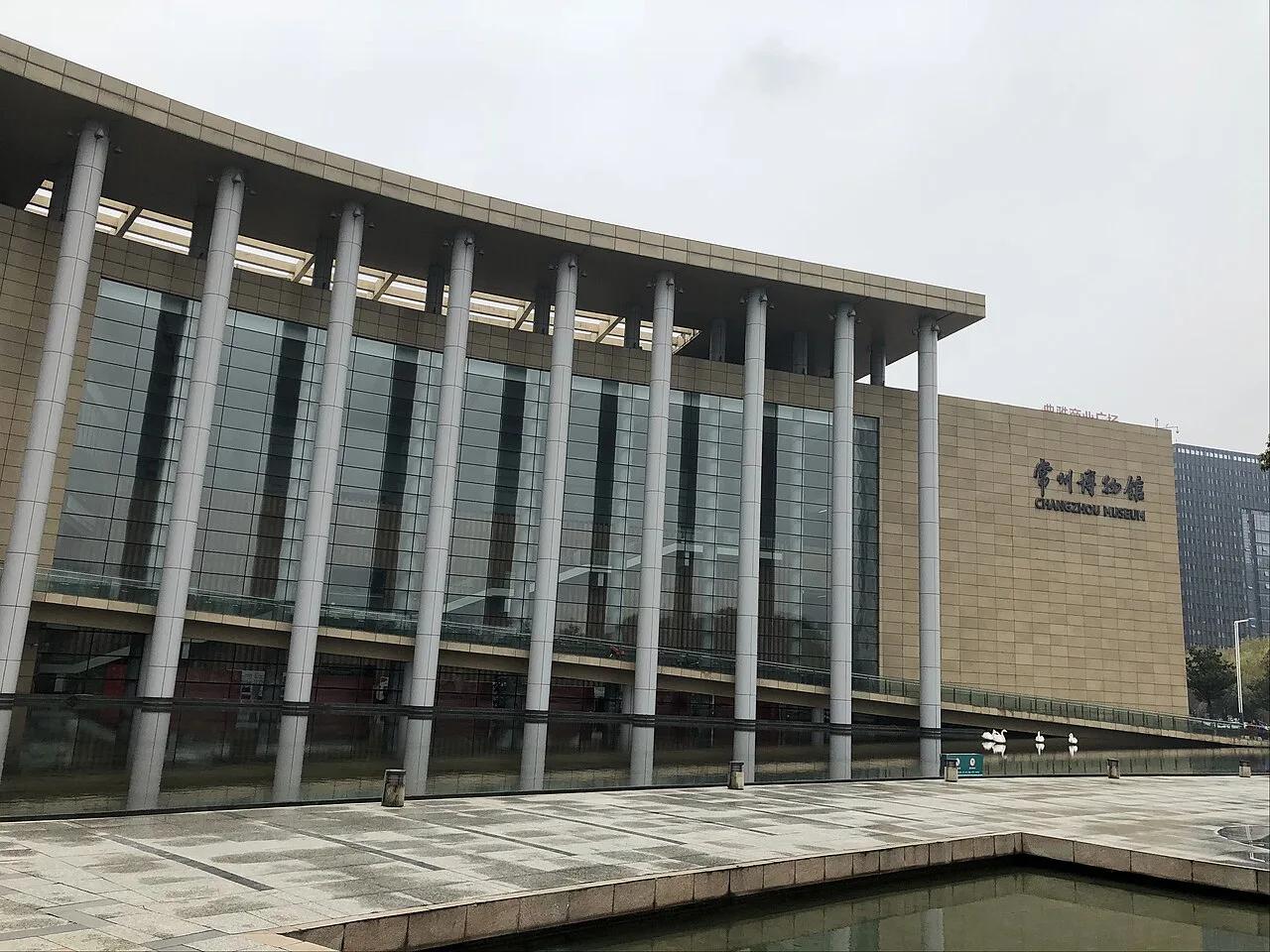
The Changzhou Museum is a national first-class museum. While it may not be as vast as provincial-level galleries, it provides a crystal-clear narrative of Changzhou’s history, culture, and economy from prehistoric times to the modern era. In particular, the exhibits on intangible cultural heritage, such as comb-making and random-stitch embroidery, add a rich, multidimensional layer to the cultural identity of this industrial city.
1. Location Overview: The Changzhou Museum is located at No. 1288 Longcheng Avenue, Xinbei District, Changzhou, Jiangsu Province, on the west side of the Civic Plaza. Situated adjacent to the Changzhou Municipal Government and the Changzhou Grand Theatre, it serves as the city’s comprehensive museum and is recognized as a national first-class museum. Located on the cultural axis of the Xinbei New City, it overlooks the Yangtze River to the north and connects to the old city to the south, serving as a junction where the city’s cultural heritage meets its modern “urban living room.” As the most systematic window into Changzhou from prehistory to the present, it forms a cultural cluster with the Planning Exhibition Hall and the Grand Theatre. It is often the first stop for tourists seeking to understand Changzhou, and its grand neoclassical architecture is a city landmark in its own right. On weekdays, it is common to see local seniors and students visiting together, treating the museum as a community cultural hub.
2. Cultural Context: Anciently known as Yanling, Changzhou’s urban history dates back 3,000 years to the Spring and Autumn period when Prince Jizha of Wu was enfeoffed here. During the Southern Dynasties, emperors of the Qi and Liang dynasties hailed from Wujin, Changzhou, giving rise to the city’s nickname, “the Dragon City.” The prehistoric cultures of the Taihu Lake basin are layered here, with remnants of the Majiabang, Songze, and Liangzhu cultures all finding a foothold in Changzhou. Historically a pivotal hub of Jiangnan culture, it was praised as a key auxiliary to the Central Wu region and has been a center for intellectuals and high achievement in imperial examinations across dynasties. The Changzhou Museum is tasked with organizing and presenting this cultural lineage; originally a local comprehensive museum, it was designated a national first-class museum after years of development. Since September 3, 2024, the museum has implemented walk-in entry for individuals (no reservation required), allowing visitors to enter immediately after security checks. This shift toward more convenient public cultural services reflects a transformation of the museum from a formal “temple of art” into a part of daily life. The museum also regularly introduces high-quality special exhibitions and offers scheduled guided tours and rich social education courses, turning the local gallery into a platform that connects with global civilizations and allows Changzhou to embrace a broader perspective while remaining rooted in its local soil. As a leader among museums in small-to-medium cities, its standards of curation and public education make it a central part of civic life; many Changzhou locals have attended study tours here since childhood, giving the museum a deep sense of intergenerational memory.
3. Highlights: The basic exhibition, “Dragon Soaring in Central Wu—Ancient History and Culture of Changzhou,” systematically presents the city’s development from the Majiabang culture to the Ming and Qing dynasties. From the dugout canoes of the Yancheng site and Spring and Autumn bronzes to the imperial examination and commercial culture of the Ming and Qing, the exhibit maps the civilization coordinates of the Dragon City. The Spring and Autumn Yancheng model of “three cities and three rivers” and its unearthed artifacts are particularly striking, providing an intuitive explanation for this unique urban layout. Among these, the dugout canoe carved from a single piece of ancient timber is one of the most captivating artifacts in the hall. Rather than a simple list of relics, this display uses urban history as a thread to show how the Dragon City grew from a network of water-based settlements into a famous commercial hub. The Natural History section excels in dinosaur fossils and mineral specimens, echoing Changzhou’s image as the “Dinosaur Capital,” and is a favorite for children. The Xie Zhiliu Art Gallery focuses on the calligraphy and paintings of local scholars; Xie Zhiliu was a renowned Changzhou painter and expert in art authentication, and the gallery features many of his masterworks donated to his hometown, showcasing the heights of the Changzhou School of Painting and modern art. In recent years, the museum has introduced cross-disciplinary special exhibitions, such as “Decoding Da Vinci” and “Songs of Shouchun,” as well as XR immersive exhibits, using the collision of technology and culture to attract younger audiences. Do not miss the local crafts section: masterpieces of intangible cultural heritage, including Changzhou comb-making, random-stitch embroidery, and bamboo carving (Liuqing), are showcased here. In these small details, one can see the ingenuity of craftsmanship—the very element that brings the cultural veins of this industrial city to life.
4. Visitor Information: Open Tuesday to Sunday, 9:00–17:00 (last entry at 16:00), closed on Mondays (except for statutory holidays). Extended opening hours are announced separately, with night sessions and public lectures often added during the summer. Admission is free year-round. Since September 3, 2024, individuals do not need a reservation and can enter after security; however, group visits and guided tour services still require advance booking via the official WeChat account or website. Daily attendance is capped at 8,000 people (including reservations) to ensure a quality experience and the safety of the artifacts. Audio guides, umbrellas, walking sticks, strollers, and wheelchairs are available for free loan with a valid ID. Address: No. 1288 Longcheng Avenue, Changzhou. Inquiry phone: 0519-85165089. Parking is available at the museum and around the Civic Plaza, and public transport is very convenient. Transportation Guide: Take Metro Line 1 to Civic Plaza Station and walk approximately 900 meters. Bus routes B12, 24, and 213 go directly to the Changzhou Planning Hall (Museum) stop. Alternatively, take routes 19, 33, or 302 to the Changzhou Grand Theatre stop and walk about 700 meters. For those driving, navigate to No. 1288 Longcheng Avenue; parking is available beside the museum and around the Civic Plaza.
5. Travel Tips: We suggest starting your route on the second floor with the “Dragon Soaring in Central Wu” history exhibition to establish a framework of Changzhou’s general history, then heading to the Natural History section for dinosaurs and minerals, and finally visiting the Xie Zhiliu Art Gallery and current special exhibitions. The best experience is in the quiet hours shortly after opening. Focus your attention on the Yancheng site, the Changzhou School of Painting, and the commercial culture to turn static relics into vivid stories. Families with children can explore fossils and minerals to spark curiosity about prehistoric life. For students, it is best to combine the general history with the themes of the special exhibitions. Seniors are encouraged to take a slow pace and make use of the resting areas. Generally, allow two to three hours, or a half-day if there is a major special exhibition. If time is limited, prioritize “Dragon Soaring in Central Wu” and the Xie Zhiliu Art Gallery—the former provides the structure, the latter the aesthetic. Social education activities, such as seasonal handicrafts and relic rubbing, usually require reservations; combining a visit with a hands-on activity increases engagement for children. Check the official WeChat account for activity schedules, as night sessions or lectures offer extra rewards. Before leaving, visit the museum shop for small, Changzhou-themed souvenirs.
6. Best Time to Visit: The museum is suitable for all seasons; it is an ideal indoor destination during rainy days or extreme heat. Autumn is particularly recommended as it is the peak season for new special exhibitions. You can combine your visit with the Civic Plaza, the adjacent Changzhou Planning Exhibition Hall (to see the city’s past and future), or a performance at the Changzhou Grand Theatre. To the east, visit Tianning Temple and Hongmei Park; to the north, head to the China Dinosaurs Park and Global Dinosaur City to create a one-day itinerary that bridges the ancient and the modern. A stroll in the Civic Plaza or a show at the Grand Theatre is a relaxing way to conclude your visit. Local culinary highlights include Changzhou Silver Thread Noodles, steamed cakes (damagao), dried radish, Tianmu Lake fish head, and Huaiyang flavors. Enjoying a hot bowl of Silver Thread Noodles after the exhibition is the best way to experience the “fire and smoke” of the Dragon City, providing a warm and comforting end to your cultural journey.