Linyi · Ancient Towns & Old Streets
Langya Ancient City
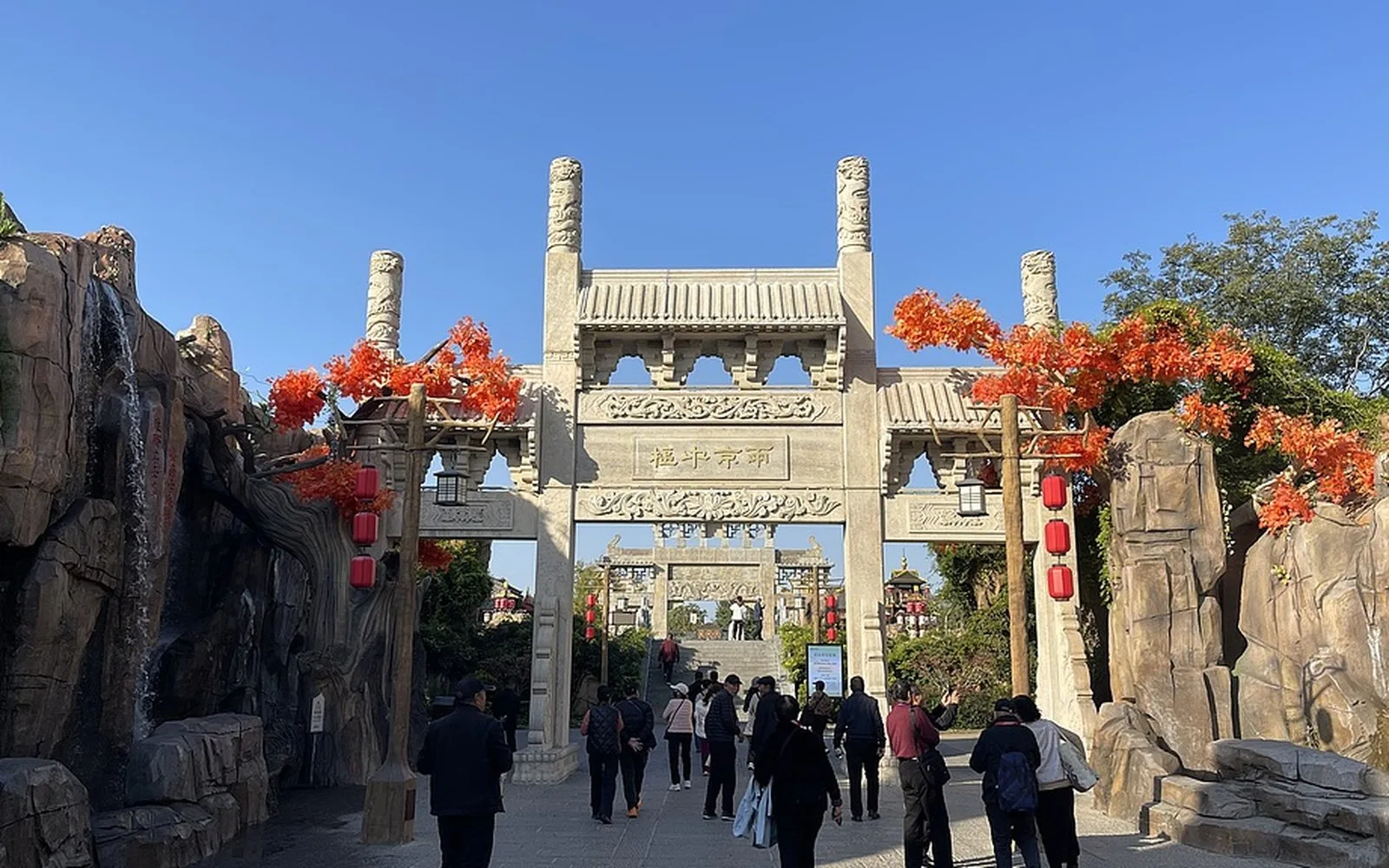
Newly opened in the Hedong District, Langya Ancient City transforms from seven themed streets by day into an immersive performance stage by night. It has quickly become the premier destination for nightlife in Linyi.
1. Location Overview:Langya Ancient City is located at the northeast corner of the intersection of Binhe East Road and Nanjing Road in the Hedong District of Linyi, adjacent to the Yi River. Spanning approximately 645 mu with a total construction area of about 200,000 square meters, the site was jointly invested in by provincial and municipal financial groups and cultural tourism enterprises. It officially opened to the public in February 2024 and was rated as a National 4A-level tourist attraction in December 2025. The city is themed around Langya culture, Dongyi culture, and the elegance of the Wei and Jin Dynasties. It is divided into seven themed districts: Langya Prosperity Area, Yimeng Old Street, Ink and Painting Area, Yizhou Prefectural Office Area, Langya Secret Realm, Ink Fragrance and Elegance Area, and Yizhou Trade Area. The complex features the Langya Grand Theater and hundreds of resident performers, making it a one-stop immersive cultural experience center and one of Linyi’s most high-profile new landmarks. Separated from the Yi River by only a riverside boulevard, visitors can enjoy a refreshing breeze by the water after admiring the night views. The park is designed with a circular layout, making it easy for first-time visitors to navigate. With a comprehensive visitor center, parking, and dining facilities, it is suitable for both day trips and extended stays. Across the river on the west bank lies the old city of Linyi; this contrast between the new and the old on opposite banks captures the true essence of Linyi.
2. Cultural Context:Langya is the ancient name for Linyi. Located in a key distribution area of Dongyi culture, Linyi became the capital of the Langya Kingdom during the Eastern Han Dynasty. Renowned scholars such as Wang Xizhi, Yan Zhenqing, and Zhuge Liang all hailed from Langya, leaving behind over two thousand years of administrative and scholarly history. Rather than a static reconstruction, the Ancient City breaks this history into walkable, viewable, and participatory scenes: court sessions at the prefectural office, calligraphy displays, nocturnal explorations of the “secret realm,” and intangible cultural heritage markets. Walking through the city is akin to walking through the history of Langya. Yimeng Old Street brings local folk customs and time-honored brands to life, the Ink and Painting Area pays homage to the home of the “Sage of Calligraphy,” and the Yizhou Prefectural Office evokes memories of the old provincial administration. By using performances to revitalize culture, the site has become a landmark for “shopping by day and theater by night.” Since its debut, the production “Guoxiu · Langya” has been performed thousands of times, becoming a representative work of tourism performance in Southern Shandong. To look closer at its cultural puzzle: Dongyi culture speaks of the hunting, farming, and ritual origins of Linyi’s ancestors; the Wei and Jin style focuses on the calligraphy and philosophical debates of great scholars; the Yizhou Prefectural Office connects to Ming and Qing dynasty administration; and Yimeng Old Street captures the bustle of modern urban life. These timelines run parallel within the city, allowing visitors to travel through Linyi’s chronological axis. The location in Hedong, overlooking the old city, is a poetic dialogue—the west bank holds the ancestral home of Wang Xizhi, while the east bank represents the rising new Langya.
3. Highlights and Features:The centerpiece of the park is “Guoxiu · Langya,” a large-scale, multi-sensory indoor situational show. Performed at the Langya Grand Theater for about an hour, it utilizes 178 sets of stage machinery and 400 sound, light, and electric devices to depict chapters of the Dongyi civilization and Meng Tian’s campaign against the Xiongnu. VIP seats even feature sensory effects such as mist and the dust of galloping horses. Other performances include “Only Langya,” “Water Show,” and “Fire Show.” Throughout the day, street performances and interactive programs—such as military drills at the training grounds, ancient magic, and Shandong Drum Book—are interspersed across the districts. The seven themed streets each offer unique appeal: the Langya Prosperity Area, with its red walls and black tiles, is the most photogenic; the Ink and Painting Area features exhibitions on Wang Xizhi and Yan Zhenqing; and the Yizhou Prefectural Office Area allows visitors to watch interactive court proceedings. After dark, when the lights, water features, and performances synchronize, the city reaches its peak vibrancy. The intangible cultural heritage markets and creative handicraft stalls are perfect for browsing and shopping. The density of performances is what sets this site apart from ordinary ancient towns; from opening until closing, the squares, piers, stages, and alleys host a rotating cast of shows. Children typically enjoy the military drills and interactive programs, while adults are drawn to the Grand Theater and the night scenery.
4. Visitor Information:Operating hours are approximately 10:00 to 21:00 (ticket sales stop at 20:30; extended to roughly 22:00 during summer and statutory holidays, with entry closing at 21:30). Please refer to the official WeChat public account for the most current schedule; service hotline: 400-083-6290. Tickets: Adult tickets are 118 RMB (allowing multiple entries within 3 days); preferential tickets are 75 RMB; and night tickets are 68 RMB. Large-scale shows like “Guoxiu · Langya” require separate tickets starting at 100 RMB. Combo tickets including the Grand Theater show are 198 RMB for standard seats and 238 RMB for VIP seats (prices may vary by session and platform). Tickets can be purchased via the official WeChat account, the visitor center window, or platforms like Meituan and Ctrip. Transportation: Located on the east bank of the Yi River in Hedong District, the city is accessible via multiple Linyi city buses. For those driving, navigate to “Langya Ancient City”; on-site parking is available. A visit of half a day to a full day is recommended; entering in the late afternoon allows you to see both the daylight and night views. It is highly recommended to book show tickets online in advance. Children under 1.3 meters and seniors over 70 may enter for free with valid ID; students may purchase preferential tickets. Note that the Grand Theater shows and the park entrance are separate ticketing systems; a park ticket does not include a seat for “Guoxiu · Langya.” Late arrival for shows may result in restricted entry, so please allow time for security checks and walking. Dining prices within the park are similar to those in the city, with the most options found around Yimeng Old Street.
5. Travel Tips:Entering in the afternoon is recommended: explore the seven streets and themed museums first, then head to the Qinglong Bridge Square and Yi River Pier area at dusk to watch the city light up before catching a performance of “Guoxiu · Langya.” Upon entry, confirm the day’s schedule via the official WeChat account or on-site screens; shows are less frequent on weekdays and more common on weekends. For popular sessions, arrive at the theater 30 minutes early to secure a seat. For Hanfu photography, the Langya Prosperity Area and Ink Fragrance and Elegance Area are best, as the red walls, lanterns, and water alleys provide the best atmosphere. Families with children should follow the interactive street performances and heritage markets for a more engaging experience, stopping for snacks at Yimeng Old Street when tired. If you only have half a day, prioritize the night visit; the city truly comes alive once the lights are on. The three-day ticket validity is ideal for visitors staying nearby: spend the first day exploring the streets and the second day focusing on the shows and night views. For photography, besides the red walls, the city gates, water reflections, and panoramic views of the lighting ceremony are highlights; arrive at the bridges or high vantage points early to secure a spot. For those traveling with seniors or children, schedule the theater show before dinner and enjoy the night tour on the way back to better manage energy levels.
6. Best Time to Visit:Open year-round. Summer is the peak for night tours, offering the longest operating hours and the most comprehensive water and outdoor shows. Spring and autumn offer the most pleasant weather for strolling and theater-going, making them the top recommendations for locals. Winter has fewer crowds and easier ticket bookings, and the indoor Grand Theater is unaffected by the weather. During the Spring Festival and other holidays, the park hosts traditional New Year and heritage events, creating a festive atmosphere, though crowds are at their peak; visiting on weekdays or off-peak times is suggested. This can be combined with a visit to the Former Residence of Wang Xizhi for a two-day Linyi city tour: study steles by day and enjoy theater by night, experiencing the perfect balance of Linyi’s ancient and modern sides. Each season brings a different personality: spring features blooms along the Yi River; summer is the season of night tours; autumn offers a stunning backdrop for Hanfu photos; and winter brings a cozy atmosphere with lantern festivals and indoor shows. During summer and holidays, popular theater shows often sell out; booking 3 to 5 days in advance is advised.