Lianyungang · Mountains & Scenic Wonders
Yuntai Mountain Scenic Area
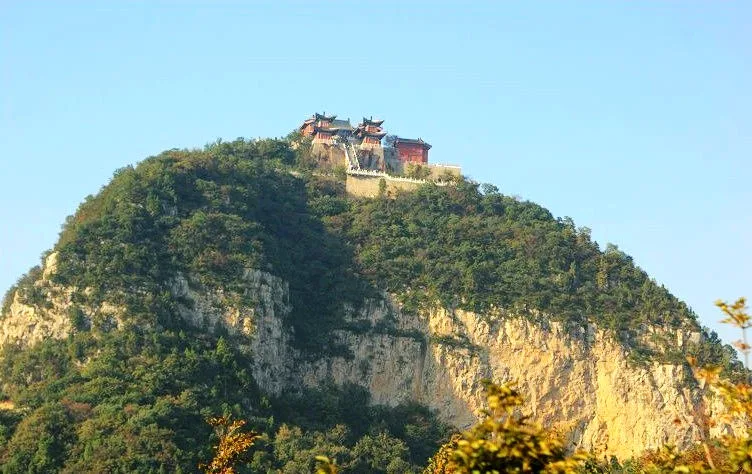
Yuntai Mountain is the iconic peak of Lianyungang and the “Maritime Yuntai” of Jiangsu. Once an island in the Yellow Sea, it is now connected to the mainland. I climbed Dawejian Peak in the early morning, watching the clouds surge beneath my feet as the port, Lian Dao, and the city unfolded in a straight line. Here, the poetic phrase “immortal mountains upon the sea” becomes a tangible reality. Unlike the bustling crowds of Huaguo Mountain, Yuntai possesses a secluded tranquility that invites you to slow your pace and linger.
1. Location Overview: The Yuntai Mountain Scenic Area, also known as Maritime Yuntai Mountain, is located on Taoyuan Road, Sucheng Street, Lianyungang District, Lianyungang City, Jiangsu Province. Situated in the southern section of the Yuntai mountain range, it is a national-level scenic spot, a National 4A-level tourist attraction, and a National Forest Park. Please note that Yuntai Mountain refers to the entire range traversing Lianyungang: its main peak, Huaguo Mountain, is located in the northern section and is a separate National 5A-level attraction with its own ticketing. This scenic area focuses on the southern section centered around Sucheng, with different ratings, boundaries, and ticket prices. The area consists of dozens of peaks, including Yun Shan, Weiping Shan, and Dawejian. The highest peak, Dawejian, reaches 605.4 meters, making it the second-highest peak in Jiangsu Province. From the summit, one can take in the sea, port, city, and islands in a single glance. The coastal scenery, port landscapes, urban skyline, and rural mountain villages unfold in layers—a geographical layout rarely seen in the Yangtze River Delta.
2. Cultural Heritage: These hills were known in ancient times as Yuzhou Mountain and as Cangwu Mountain during the Tang and Song dynasties. The Tang poet Li Bai wrote of the “sorrow of white clouds filling Cangwu,” and the Song poet Su Shi praised the “lush Cangwu mountain upon the sea, where the borders of Penglai and Fangzhang blur.” Both referred to this mountain, proving its long-standing reputation as an immortal maritime peak. It was originally a chain of islands in the Yellow Sea until coastal siltation shifted the shoreline eastward during the Qing Dynasty, connecting it to the mainland and creating a unique landscape of steep peaks, deep ravines, strange rocks, and flat slopes. Sucheng also evolved from an isolated fishing village into today’s mountain settlement. Buddhism and Taoism blend harmoniously here: Faqi Temple is said to have been founded in the Han Dynasty and is one of the oldest temples in northern Jiangsu, while various shrines like Wudao Nunnery are scattered throughout the woods, with incense burning for a millennium. The mountain’s flora is equally rich; besides vast groves of Catalpa trees, the valleys are home to ginkgo, magnolia, and various vines, each season bringing a different character to the scenery. The streams, ponds, villages, and fields of the Sucheng valley are often compared to the “Peach Blossom Spring” described by Tao Yuanming; it is no wonder the ancients projected their fantasies of the mythical Yingzhou island of the East Sea onto this place.
3. Highlights: First, Sea Viewing from the Clouds. The main peak, Dawejian, is the best vantage point for the mountain-sea panorama. Reaching the summit in the early morning allows you to witness surging clouds and sunlight spilling over the port and sea, an experience known as “viewing the mountains and sea from the cloud top.” Second, Faqi Temple and Wudao Nunnery. These ancient temples are hidden within bamboo forests; the area around Wudao Nunnery is particularly serene with dancing bamboo shadows, embodying the spiritual essence of Yuntai. Third, “A Thread of Sky” (Yixiantian) and the Suspension Bridge. These thrilling vistas between strange rocks and deep ravines are favorites for hiking enthusiasts. Fourth, the Catalpa Forest Secret Realm. The mountain hosts rare, extensive groves of Catalpa trees, concentrated around Wanshou Valley. From late spring to early summer, the trees are covered in purple-white flowers like a mist, creating an intoxicating original flower sea. Fifth, the Sucheng Utopia. The valley features gurgling streams, connected ponds and waterfalls, and scattered villages. With blossoms in spring and golden leaves in autumn, it is a model of “slow living” and a great place to rest and eat after descending. Sixth, Panoramic Views. From the heights, you can overlook the Lianyungang port, the East and West Lian Dao islands, and the city skyline. The busy operations of the container terminals contrasted with the silent distant sea and mountains create a complete picture of the port city.
4. Visitor Information: Opening hours are 8:30–17:30, with entry closing at 16:30. Times may vary by season or maintenance; please refer to official announcements. Tickets are 80 RMB (discounted tickets 40 RMB); children, students, and seniors are eligible for discounts or free entry per policy. Sightseeing shuttle buses are charged separately (approx. 20 RMB one way), which significantly saves energy; check the last bus time on-site. Transportation: From the city center, take the BRT to the Xugou area, then transfer to bus 34, 35, or You 7 to Sucheng Station. Walk west for about 500 meters to the main entrance. For self-driving, navigate to the “Maritime Yuntai Mountain Visitor Service Center” (Taoyuan Road, Sucheng Street). Parking is available (fees as posted); spaces are limited during holidays, so early arrival is recommended. A half-day visit is suggested. Mountain paths and valleys can be slippery after rain, so non-slip shoes are essential. The summit is windy with changeable fog; a jacket is recommended even in summer. In dense fog, views may be limited—allow extra time for the mist to clear.
5. Travel Tips: For a half-day trip, we recommend taking the shuttle bus from the Visitor Center to Dawejian. First, enjoy the panorama from the summit, then head down to visit Wudao Nunnery and Faqi Temple, walk through “A Thread of Sky” and the suspension bridge, and conclude with a slow stroll through the Sucheng Utopia valley. Those with more stamina can hike the entire way; climbing the steps accompanied by shade and sea breezes offers a greater sense of achievement, though the stairs are numerous—please know your limits. The best photo spot is the summit observation deck, especially for the early morning sea of clouds and port light. The Catalpa paths and the framed views from the suspension bridge are also picturesque. Focus your exploration on the mountain’s transition from island to mainland, the poetry of Li Bai and Su Shi, and the Buddhist/Taoist culture. Families with children should use the shuttle bus; seniors should take the bus up and walk slowly on flat sections. Photographers must arrive early for the morning clouds. Be cautious of slippery paths in the rainy season or ice in winter. Some areas have signal dead zones; download offline maps and stay on the main trails. If time permits, enjoy lunch at a farmhouse in the valley before descending. It is recommended to pair Yuntai Mountain with Lian Dao on the same or adjacent days for a complementary experience of mountain and sea. Local “mountain-run” chicken, wild vegetables, and tofu at the foot of the mountain are the perfect remedy for hiking fatigue. Check official notices for opening hours and shuttle operations before traveling.
6. Best Time to Visit: Late spring to early summer is ideal for the Catalpa blossoms. Autumn offers the clearest skies and best visibility from the summit. Winter brings a mystical atmosphere with seas of clouds and snow, while summer’s fog adds a touch of ethereal beauty. Nearby, you can visit the Xihai beach of Lian Dao, the Zai Hai Yi Fang Park, and the Lianyungang Old Street, or combine this with Huaguo Mountain for a “mountain and sea” duo—note that these are separate attractions with separate tickets and are not close to each other, so plan them for different days. Local delicacies include Lianyungang jelly (liangfen), doudan (pupae), seafood noodles, and pancakes, all easily found at the mountain base and in the city. For a slower experience, consider staying overnight in a Sucheng guesthouse or farmhouse. Waking up to birdsong and the sound of streams before climbing to see the sea of clouds is the ultimate way to experience this mountain. Please verify opening times, prices, and shuttle arrangements, and watch for maintenance closures. As you descend, carrying a bit of the pine-scented breeze in your clothes is like bringing home a piece of the purity of the East Sea’s Yingzhou.