Linyi · Gardens & Ancient Architecture
China Wonder Stone City
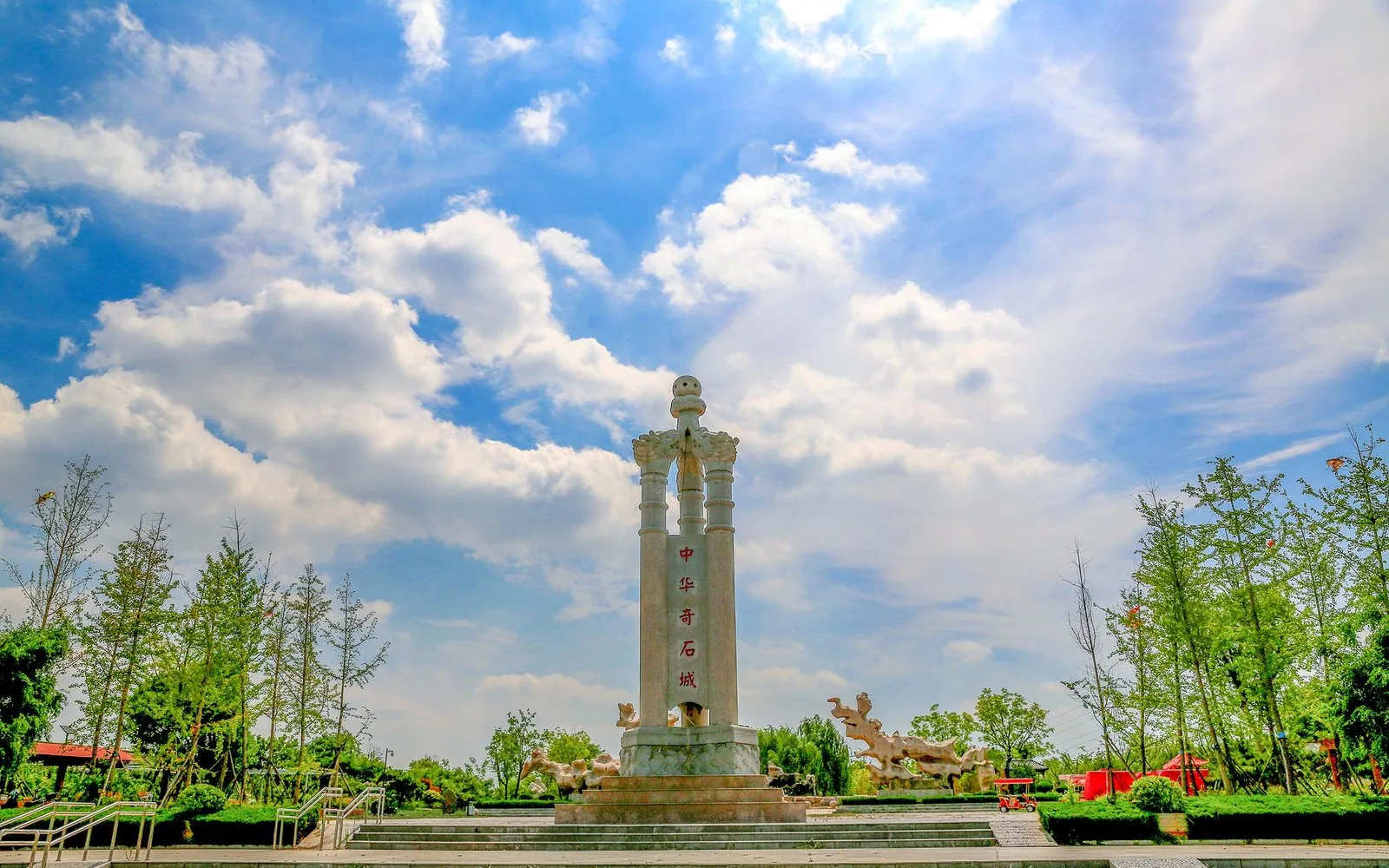
China Wonder Stone City in Fei County is essentially a living stone museum—where some rocks resemble mountains, others people or animals, turning nature’s sculptures into a scenic landscape.
1. Location Overview:China Wonder Stone City is located about 1 km north of Fei County in Linyi City, adjacent to County Road 210 in Fei Cheng Street and approximately 300 meters north of the Fei County Bus Station. As a national 4A-level tourist attraction, it is one of China’s largest ornamental stone bases and a key cultural tourism project in Shandong Province. The site integrates stone exhibitions, trading, garden sightseeing, and leisure entertainment, complemented by a unique ornamental stone commercial street. Covering approximately 450 mu (about 30 hectares), the park houses over 20,000 unique stones, blending mountains and water in a seamless layout. It serves both as a marketplace for stone collectors and a leisurely botanical garden, making it the most iconic cultural landmark in Fei County, just a few minutes’ drive from the town center. Due to its proximity to the city, locals often use it as a public park for evening strolls, while visitors from afar typically come specifically for the stones. The well-connected pathways link the exhibition, trading, and garden areas; first-time visitors can simply follow the main road. Visitor services and guided consultations are available; we recommend starting with a brief introduction to stone culture to truly appreciate the collection.
2. Cultural Background:Fei County is known as a “Stone County.” The local “Fei County Stones” are part of a buried stone forest, where naturally shaped rocks are found just beneath the soil in significant quantities. These stones are highly prestigious in Northern China’s ornamental stone circles and are considered a “calling card” for Northern curiosities. China Wonder Stone City concentrates this local heritage, gathering scattered stones and arranging them by shape, texture, and origin. What was once a private hobby for the elite has been transformed into a public landscape for all to enjoy. In Chinese stone appreciation, value is judged by four criteria: shape, quality, color, and texture. The park’s exhibits explain these concepts to novices, teaching them to observe the form first, then the material, and finally the intricate patterns. A notable detail is the south gate, where the five large characters “China Wonder Stone City” are written in the bold and powerful Yan style of calligraphy. This pays homage to Fei County’s status as the ancestral home of Yan Zhenqing, allowing stone and calligraphy to meet at the entrance. For locals, talking about “strange stones” is a way of life—who has a masterpiece in their courtyard or which riverbed yielded a rare find are common conversation starters. The city is a microcosm of this local passion and is the reason Fei County is widely known as the “Home of Wonder Stones.”
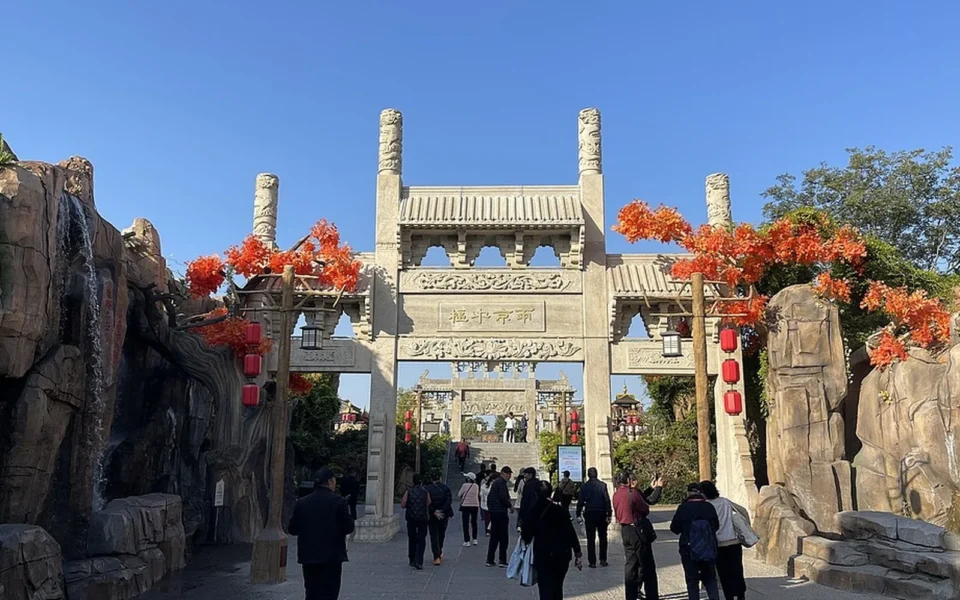
3. Highlights:The first sight upon entering the south gate is the stone Qilin and the grand Yan-style calligraphic gateway; the Qilin, a symbol of auspiciousness, creates an immediate sense of grandeur. Inside, over 20,000 stones each create their own scene: some look like rolling mountain ranges, others like figures or beasts, and some are “picture stones” with textures that resemble paintings. The joy of stone appreciation lies in the fact that a single rock can look entirely different from a different angle. A water system weaves through the stone arrays, with rocks placed thoughtfully in front of houses and along the paths, surrounded by weeping willows and floral seas. The Stone Commercial Street is another highlight, where open trading takes place; it is fascinating to watch seasoned collectors haggle seriously while newcomers enjoy the atmosphere. For those interested in collecting, this is the place to research market trends and meet fellow enthusiasts. Pay special attention to the natural, uncarved stones: craftsmen only create the bases, rarely using tools on the stones themselves. Every resemblance is the result of millions of years of erosion by water and earth, which is why Fei County stones are so highly valued by experts.
4. Visitor Information:Opening hours are approximately 9:00 AM to 6:00 PM (subject to official announcements). Admission to the park is free, though some individual entertainment activities within the park may charge a fee. This makes it an easy stop for travelers. Transportation is convenient: the park is about 300 meters north of the Fei County Bus Station; visitors coming from Linyi city center can take a long-distance bus to the station and walk the remaining distance. For those driving, navigate to “China Wonder Stone City” via County Road 210; parking is available nearby. A visit typically takes 2–3 hours. The paths are flat and accessible for seniors and children. Despite the shade and water features, it is recommended to use sun protection and bring plenty of water during the summer. Because it is free, this is a standard destination for locals hosting guests—it offers stones, gardens, and the trading street all in one. Since appreciating stones is a slow art, we suggest taking your time. When shopping on the commercial street, compare prices and ensure you confirm shipping and after-sales service for large stones. For those with limited energy, sticking to the main loop is sufficient; the more adventurous can explore the smaller side paths.
5. Travel Tips:We recommend entering through the south gate to see the gateway and the stone Qilin, then following the main scenic belt to see the largest “anchor stones” of the garden. Afterward, wander into the themed exhibition areas to find shapes you love, and finish with a stroll through the commercial street. If a particular stone catches your eye, browse a few more vendors before asking the price. For families with children, playing a game of “What does this stone look like?” is often more engaging than a formal explanation. For photography, the side-lighting of morning or evening best highlights the textures and dimensions of the stones. The period immediately after rain is ideal, as the wet surfaces make the patterns more vivid. The nearby ancient city area of the State of Cang is close by and can be visited on the same day for a balanced itinerary of culture and leisure. For serious collectors, we suggest reversing the order: visit the commercial street first to gauge the market and new arrivals, then return to the exhibition area to appreciate the masterpieces with a better sense of value. The park is large with many forks in the road, so take a photo of the map at the entrance. If you are short on time, prioritize the main scenic belt. We suggest visiting in the morning when the light is best and crowds are thin.
6. Best Time to Visit:Spring and autumn are the ideal seasons, with mild weather and blooming flora. Summer offers lush greenery and refreshing water views, making early morning or late evening the best times to explore, while midday is best spent browsing the shaded commercial street. Winter is the quietest season, where the stones’ “skeletal structure” stands out more prominently against the sparse landscape, perfect for silent contemplation. Being free and open year-round makes it highly accessible. You can combine it with the Cang State Amusement Park for a “North Fei County” day trip, or add the Fei County Museum and Yan Zhenqing Park to explore the region’s stones, history, and calligraphy in one day. Each season has its charm: spring brings vibrant colors; summer rains wash the stones to a brilliant shine; autumn offers a rich palette of foliage; and winter snow creates a stark black-and-white contrast that reveals the true form of the rocks. Regardless of the season, its free admission, proximity to the town, and family-friendly nature make it the most reliable choice for a half-day excursion in Fei County.