Hangzhou · Museums & Academia
West Lake Museum
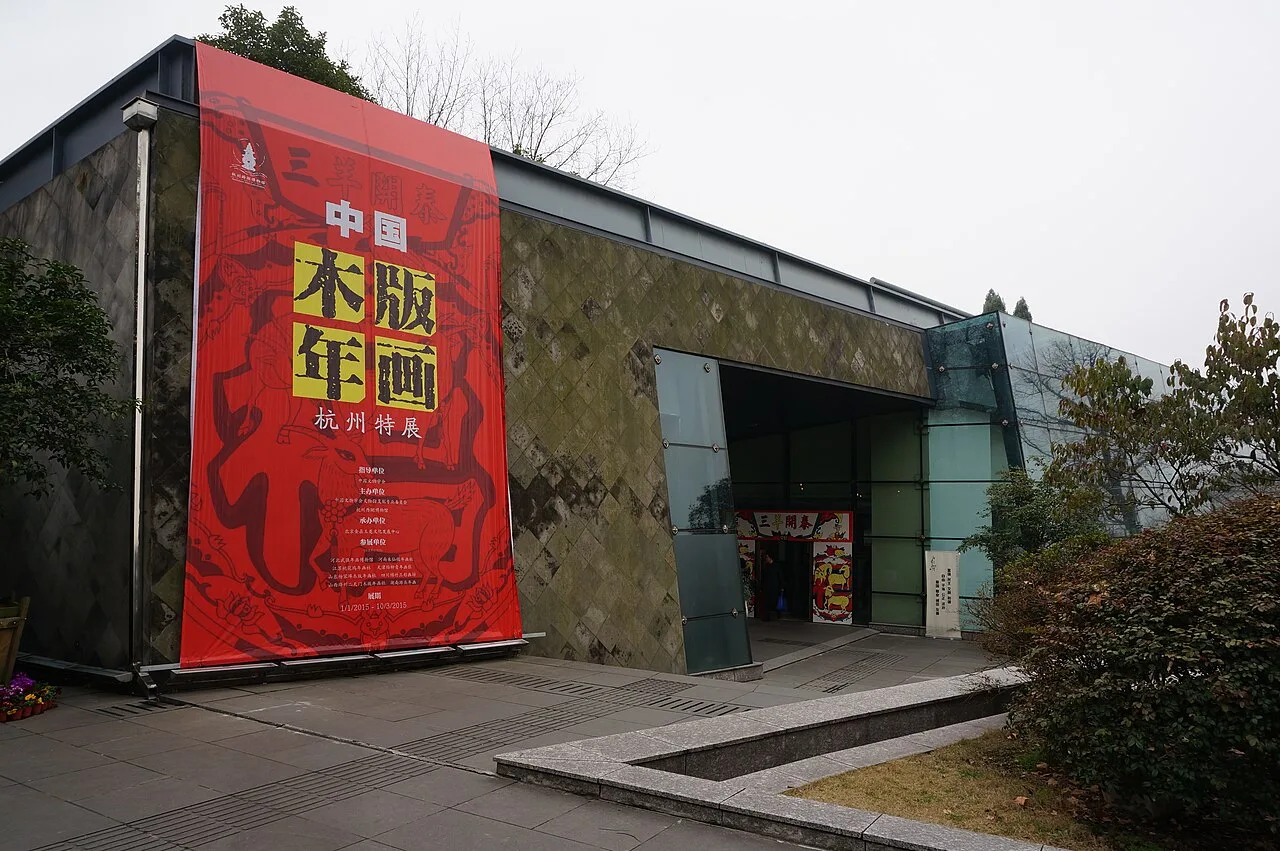
The West Lake Museum is a “small but beautiful” destination—a single venue that captures the millennium-long story of West Lake, from its geological formation and history of dredging to the poetry and stories of the famous figures who graced its shores. Visiting the museum before exploring the lake transforms your perspective; every vista suddenly reveals its “origin and evolution.”
1. Location Overview: The main building of the Hangzhou West Lake Museum is located at No. 89 Nanshan Road, Shangcheng District, Hangzhou, Zhejiang Province, south of the Qian Wang Temple. Situated right next to West Lake, it serves as the primary window for understanding the lake’s depths. As China’s first thematic museum dedicated to a lake, it is adjacent to Qian Wang Temple and the Liu Lang Wen Ying (Willows Swaying and Orioles Singing) area, falling within the West Lake World Heritage site. For many seasoned travelers, the consensus is to visit the West Lake Museum first before taking a boat trip—the museum is located by the lake, but the exhibits are underground. Most of the building’s volume is hidden beneath the surface, with a grass-covered roof that blends seamlessly into the lake and hills. The architecture itself is an exhibit, embodying a “minimal intervention” design philosophy that blends into nature and the heritage context without competing with the lake views. It is a must-see for architecture enthusiasts and serves as a vital hub in the city’s cultural and tourism narrative, turning the intangible culture of the lake and mountains into something tactile and tangible.
2. Cultural Context: The West Lake Museum officially opened on October 1, 2005, its creation closely tied to the process of West Lake’s application for World Heritage status. At the beginning of this century, Hangzhou established a comprehensive protection project centered on the World Heritage bid, which included dredging the waters, improving the surroundings, and relocating buildings that obstructed the landscape. The museum was a landmark cultural facility of this project, tasked with collecting, researching, and interpreting the entire process of West Lake’s evolution from a natural lagoon to a cultural landscape. To align with the bid, the exhibits were adjusted during a closure in 2009 and reopened on October 1 of the same year. After West Lake was successfully inscribed on the World Heritage List in 2011, the museum became a core base for heritage monitoring, archival collection, and public education. Its collection includes Southern Song Guan kiln ceramics and precious documents such as the *West Lake Gazetteer*. The museum’s West Lake Documentation Center houses local chronicles, catalogs, and old photographs, making it a stronghold for “West Lake Studies.” The clear waters and scenic hills of today’s West Lake are the result of generations of dredging and management; the museum archives these efforts, witnessing a city’s long-term dedication to protecting a lake.
3. Highlights: The main exhibition is organized into an introductory hall followed by six chapters: The Achievement of Dredging and Management, The Splendor of Lake and Mountains, Paradigms of Aesthetics, A Hub of Culture, The Romance of West Lake, and West Lake for the World. The introductory hall features a 1:1000 scale panoramic sand table of West Lake, accompanied by videos on its formation and rock and fossil specimens, providing a vivid and striking presentation of how West Lake evolved from a bay to a lagoon and finally into a freshwater lake. The dredging history section uses models and documents to tell the stories of figures like Bai Juyi, Su Shi, and Yang Mengying, whose efforts in dredging and dike-building ensure the beauty we see today. The humanities section uses calligraphy, paintings, artifacts, and old photographs to recreate the naming of the “Ten Scenes,” the story of Lin Bu (the poet who lived with a plum tree as his wife and a crane as his son), and the seal-carving elegance of the Xiling Seal Engravers Society. Beyond the main building, the institution manages several thematic venues, including the Famous Figures Gallery, the Guan Kiln Gallery, and the Xiao Feng Art Museum. Together with the Zhang Taiyan Memorial Hall, Su Dongpo Memorial Hall, and Yu Qian Temple, they form a cluster of thematic museums scattered along the lake. In the Guan Kiln area, visitors can imagine the grandeur of the ancient imperial kilns by comparing the exhibits with the Jiaotanxia Guan Kiln site (west foot of Wugui Mountain), while the Famous Figures Gallery brings back the historical personalities who shared a deep bond with West Lake.
4. Visitor Information: Opening Hours: Main building 9:00–17:00 (last entry at 16:30); Famous Figures and Guan Kiln Galleries 8:30–16:30 (last entry at 16:00); Xiao Feng Art Museum 9:00–17:00. Closed every Tuesday, open on public holidays. Admission: Free year-round. Reservation: Individual visitors can reserve entry via the “Hangzhou West Lake Museum” official WeChat account. Due to high traffic on weekends and holidays, advance reservation is essential (except for groups). Group tours and guided services require advance booking; free museum guides usually need to be requested 1–3 days in advance. Free audio and AR guides are available via the WeChat account. Wheelchairs and strollers can be rented with valid ID. The museum is an ideal indoor retreat during rainy days or extreme heat. There is a small on-site parking lot for small cars only; fees are 10 RMB/hour during the day and 5 RMB/visit at night. Spaces are limited. We recommend allocating one to two hours to view the permanent exhibition. Transportation: Take Metro Line 7 to Wushan Square Station and walk for about 10 minutes. Alternatively, take bus lines 12, 31, 38, 42, 102, or the West Lake Inner/Outer Loop lines to the Qian Wang Temple stop. As the on-site parking is very limited (approx. 24 spaces for small cars), public transport is strongly recommended.
5. Travel Tips: We suggest starting at the sand table in the introductory hall to establish a spatiotemporal coordinate of West Lake’s creation, then proceeding to the dredging history and humanities chapters. The best experience occurs on rainy or scorching days—when the outdoor scenery is shrouded in mist, the museum provides a quiet space to understand a thousand years of history, where the lake views and the exhibits annotate each other. Focus your attention on the dredging history and the “Ten Scenes” culture. We recommend combining the museum with the Broken Bridge and Bai Causeway into a half-day study tour to see the knowledge come to life. Families with children can participate in interactive activities like rubbing West Lake maps; the permanent interactive zones and temporary exhibits, combined with nature observation by the lake, can bring textbook concepts of lagoons, wetlands, and migratory birds to life. Students should focus on the World Heritage application process and conservation philosophies. Seniors can enjoy the lake views from the windows in the lounge area. For researchers, the Documentation Center is available by appointment. Check the WeChat account for the latest exhibition news before visiting; the museum often curates temporary exhibits around the “Song Dynasty Charm” theme and holds educational events during the Dragon Boat or Mid-Autumn Festivals.
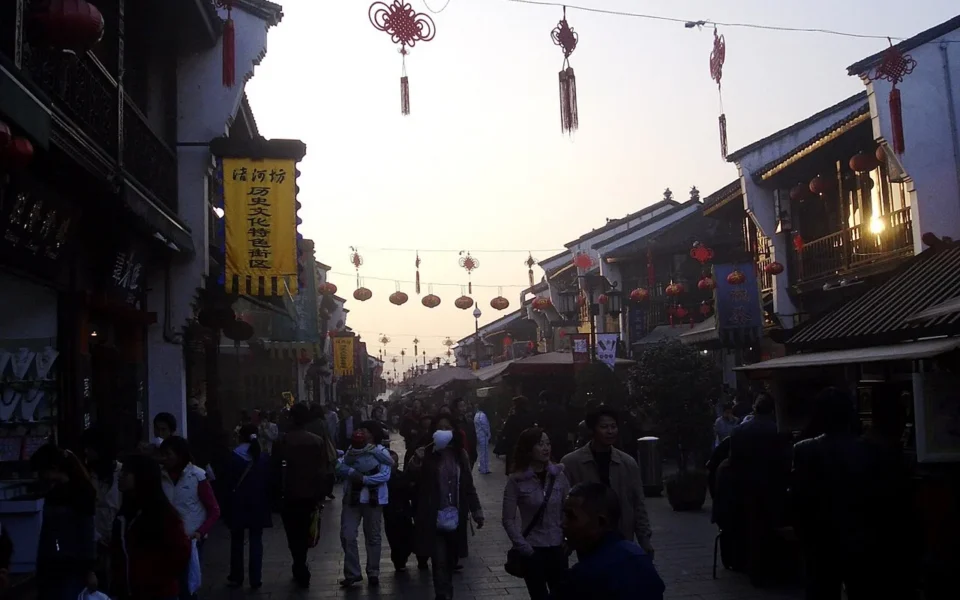
6. Best Time to Visit: The West Lake Museum is suitable for all seasons, but is particularly excellent during the plum rain season and peak summer as a place to escape the rain and heat. Spring and autumn are ideal for coordinating visits between the museum and the lake. The surrounding area is incredibly convenient: Qian Wang Temple and Liu Lang Wen Ying are right outside, and the West Lake Musical Fountain, Qinghefang, and Wushan are within walking distance. Heading north along the lakeshore leads to the Bai Causeway and Gushan (Solitary Hill). Walking north from the museum is the most efficient way to understand West Lake, turning the knowledge from the display cases into the scenery before your eyes—an experience with far more depth than simply taking photos around the lake. Before leaving, take a moment to sit near Qian Wang Temple and watch locals exercising or strolling, experiencing the natural transition of West Lake from a famous landmark to a living community. For local flavor, explore the Hangzhou-style cuisine and tea houses in the Hubin business district and along Nanshan Road. Ending your trip with a pot of Longjing tea and a piece of Dingsheng Cake, savoring the spirit of the lake you just learned about, is the most “Hangzhou” way to finish. The West Lake Museum is the key to unlocking the lake: understand the “why” first, then sail upon its waters, and the scenery will cease to be mere landscape and instead become a letter written over a thousand years. Free and welcoming regardless of the weather, it is Hangzhou’s most underrated yet essential cultural starting point.