Hangzhou · Gardens & Ancient Architecture
Lingyin Temple
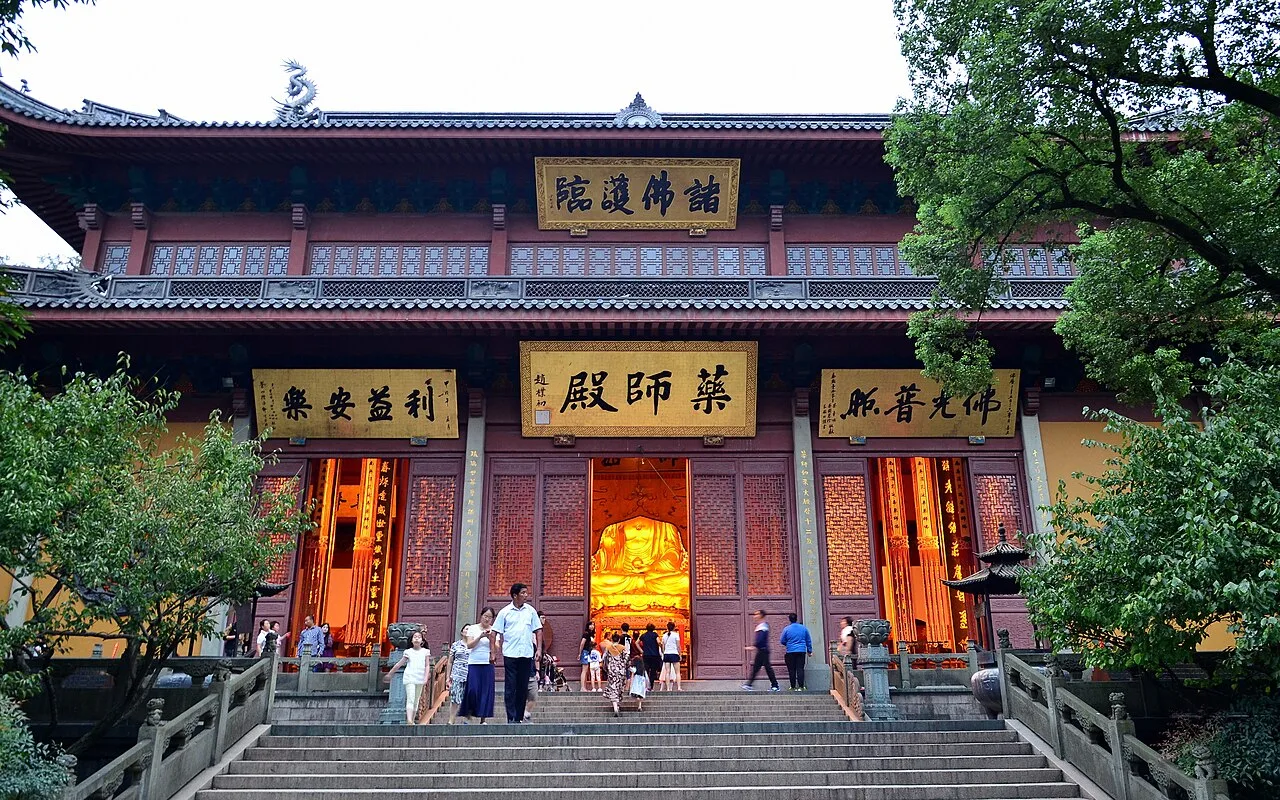
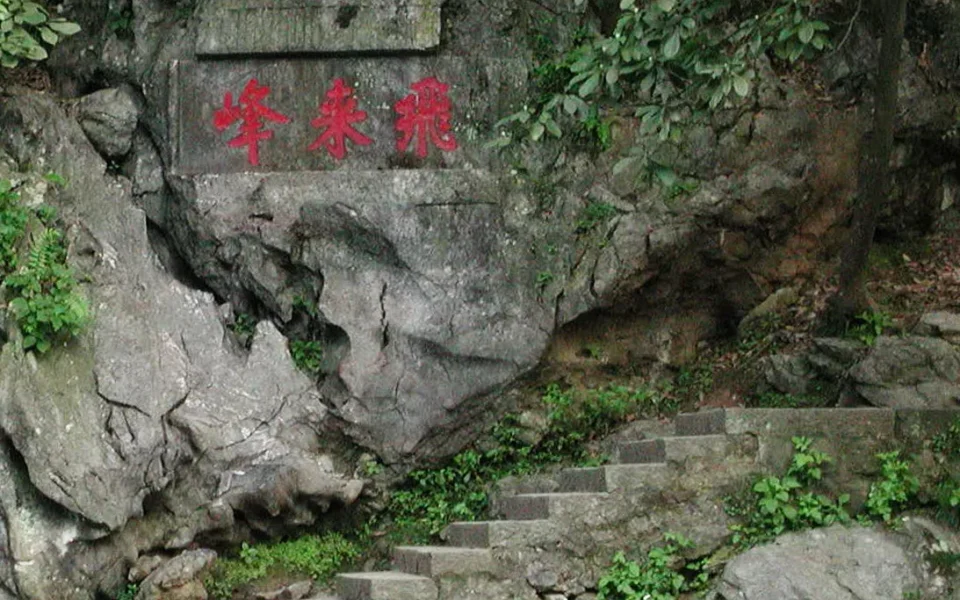
The vibrancy of Lingyin Temple is palpable even before you pass through the mountain gates—the scent of sandalwood mingling with the morning mist, while the resonance of temple bells drifts through the forest. Stepping into the Mahavira Hall and witnessing the devotion of the pilgrims, you will understand why this is considered the most spiritual and prosperous ancient temple in Hangzhou. Across the stream, the grotto carvings of Feilaifeng Peak transform the area into an open-air museum of stone sculpture.
1. Location Overview: Lingyin Temple is located at No. 1 Fayun Long, Lingyin Road, Xihu District, Hangzhou, Zhejiang Province. Nestled in the secluded valleys of the mountains west of West Lake, it is backed by Beigaofeng Peak and faces Feilaifeng Peak. Bordered by Xixi Wetland to the north and the Qiantang River to the south, it is a core cultural landmark within the West Lake World Heritage site and a key stop on the “West Lake—Lingyin—Xixi” tourism route. Hidden within the mountain forests, the temple offers a peaceful retreat from the city’s bustle. Historically hailed as the “Buddhist Kingdom of the Southeast” and the “Number One Temple of Qiantang,” it blends with the waters of West Lake and the mists of Beigaofeng to create Hangzhou’s most renowned Zen landscape. For many pilgrims and travelers, it represents the spiritual side of Hangzhou—a testament to the city’s balance between the mundane and the divine, where the world’s noise ends and a thousand years of Buddhist chants begin.
2. Cultural Heritage: Founded by the Indian monk Hui Li in 326 AD (the first year of the Xianhe era of the Eastern Jin Dynasty), Lingyin Temple has a history of approximately 1,700 years, making it one of the oldest Buddhist temples in the Jiangnan region and a nationally designated key Buddhist temple for the Han ethnic area. Legend has it that Hui Li noted the mountain’s shape resembled the Vulture Peak of India and exclaimed that it must have “flown here” from the Middle Kingdom of India; thus, the peak was named Feilaifeng (Peak Flown From Afar) and the temple Lingyin (Hidden Soul). Throughout the centuries, it has been home to many eminent monks. During the Wuyue Kingdom period of the Five Dynasties, King Qian Chu provided immense support, rebuilding the temple and erecting twin pagodas and sutra pillars, bringing Lingyin to its peak of prosperity. During the Jiading era of the Southern Song Dynasty, it was ranked second among the “Five Mountains” of the Zen school, second only to Jingshan Temple. Local folklore regarding the monk Ji Gong (Daoji) is widespread here; stories of the “mad monk” who fought injustice with eccentric wisdom give the solemn temple a touch of human warmth. While Lingyin is a major tourist destination today, its religious rituals and monastic rules remain intact, and the order of a millennium-old Zen gate can still be felt between the morning bell and evening drum.
3. Highlights: The temple layout unfolds along a central axis, featuring the Hall of the Heavenly Kings, the Mahavira Hall, the Medicine Buddha Hall, and the Sutra Library. The plaque “Yunlin Zen Temple” above the Hall of the Heavenly Kings was written by Emperor Kangxi of the Qing Dynasty, and the statues of Maitreya and Skanda in front evoke a profound antiquity. The Shakyamuni Buddha statue in the Mahavira Hall—crafted from 24 pieces of camphor wood and gilded—stands 19.6 meters tall (24.8 meters including the pedestal), making it one of the rarest large-scale wooden Buddhist sculptures in China. The group of Island Guan Yin statues behind it is equally exquisite. The Medicine Buddha Hall enshrines the three saints of the East, followed by the Huayan Hall dedicated to Vairocana Buddha, with the Hall of Five Hundred Arhats located to the side. The Ji Gong Hall is particularly popular, with many visitors coming specifically to pray here. The temple is surrounded by Yongfu Temple, Taoguang Temple, and the “Three Temples of Tianzhu” (Fajing, Fajing, and Faxi). Ancient sites like Lengquan Pavilion and Cuiwei Pavilion are scattered throughout, forming a vast Zen retreat where every tree and stone carries a story. Across the stream, the Feilaifeng grottoes (detailed in a separate section) are a must-visit. In autumn, the thousand-year-old ginkgo and ancient maples take center stage; the old ginkgo tree in front of the Mahavira Hall, with its golden leaves carpeting the ground, is the most photogenic spot.
4. Visitor Information: Opening Hours: 7:30 AM – 5:30 PM daily (last entry at 5:00 PM). Ticket Prices: Starting December 1, 2025, the Lingyin Feilaifeng Scenic Area (including Lingyin Temple, Yongfu Temple, Taoguang Temple, and the Feilaifeng carvings) is free of charge; the temple no longer collects separate “incense fees.” Booking Rules: Free entry does not mean no reservation. The scenic area implements real-name booking and time-slot visitation. Please search for the “Hangzhou Lingyin Feilaifeng” mini-program on WeChat or Alipay (or use the “West Lake Tourism” official account) to book. There are morning and afternoon sessions; bookings must be made at least one day in advance for dates within the next seven days; same-day bookings are not accepted. Starting February 1, 2026, the reservation system will be optimized: offline registration will be replaced by “online waiting lists.” Cancellations must be completed by 5:00 PM the day before the visit. No-shows who fail to cancel on time will be suspended from booking for 30 days; repeated offenses will extend the suspension to 60 and 90 days—please honor your reservation. Transportation: There is no direct metro to the scenic area. Take Metro Line 3 to Huanglong Cave, Dongyue, or Huanglong Sports Center stations and transfer to a shuttle bus, or take buses 7, 103, 121, or 319 directly to the Lingyin stop. Parking is very limited; those driving are advised to park at the Chengxi Leisure Park parking lot and transfer to a shuttle bus. A visit typically takes 3 to 4 hours. The temple provides vegetarian meals, guided tours, and barrier-free access with gentle ramps and audio guides.
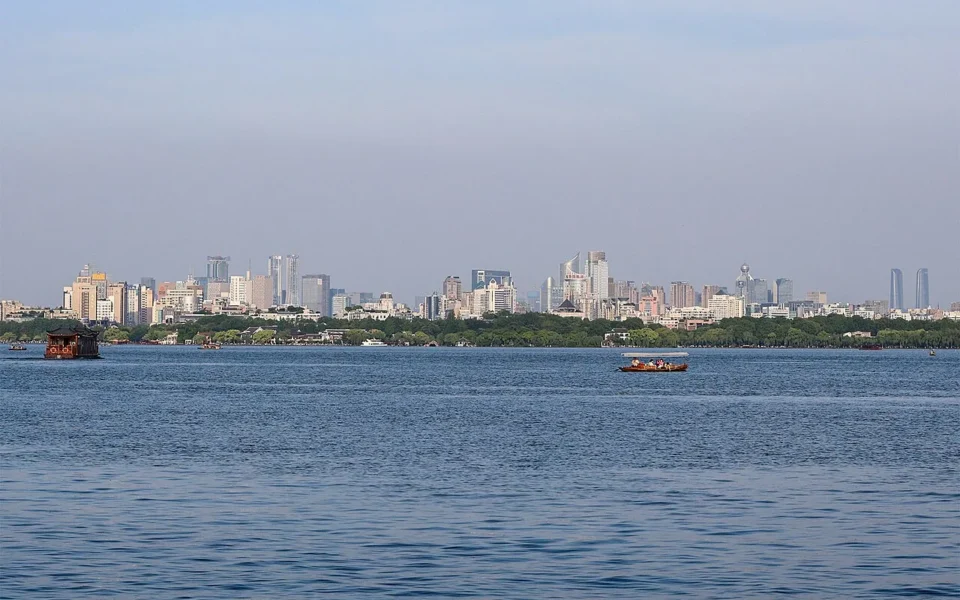
5. Travel Tips: The classic route is: Lingyin Temple (Hall of the Heavenly Kings → Mahavira Hall → Medicine Buddha Hall → Ji Gong Hall) → Lengquan Pavilion → Feilaifeng Grottoes → Yongfu Temple → Taoguang Temple. Those with high energy can take the Beigaofeng Cable Car to the summit for a panoramic view of West Lake and the Qiantang River; on clear days, you can see the entire skyline of Hangzhou. The best photo spots are the carvings along Lengquan Stream, the ancient ginkgo before the Mahavira Hall, and the sea of clouds viewed from Beigaofeng. After rain, the moss-covered grottoes evoke a particularly ancient atmosphere. Focus your attention on the history of Monk Hui Li, the legends of Ji Gong, and the Buddhist art. For families with children, a relaxed “temple-cave-stream” route is recommended; for students, combine the visit with a study of Buddhist art and Wuyue Kingdom history. Seniors are encouraged to book the morning session for a slower pace and enjoy a bowl of vegetarian noodles. Crowds peak on the 1st and 15th of the lunar month; those with children or elderly companions should avoid these dates and allow extra walking time from parking lots to the ticket gates. Keep your belongings and booking vouchers secure.
6. Best Time to Visit: Spring brings fresh greenery to the valleys and azaleas to the slopes, making it ideal for hiking and prayer. Summer offers cool shade, making it the best Zen retreat to escape the heat of West Lake. Autumn is the peak for the mists of Beigaofeng and the golden ginkgo leaves. Winter is quiet and secluded, offering a unique Zen atmosphere. Nearby extensions: Head east to West Lake’s Yanggong Causeway and Maojiabu, north to Xixi Wetland, or south to Jiuli Song and the Three Tianzhu Temples, connecting to the tea villages of Longjing and Meijiawu. This route links Hangzhou’s mountains, waters, tea fragrance, and Buddhist chants. Heading south from Lingyin along Tianzhu Road to the Fajing, Fajing, and Faxi temples offers a quieter, more ancient experience compared to the hustle of Lingyin. For local experiences, try the vegetarian meals and Zen tea; the vegetarian noodles and buns along Tianzhu Road are affordable and authentic. After descending the mountain, enjoy Hangzhou-style farmhouse cuisine and Longjing tea snacks along Tianzhu Road and Meiling South Road to slowly dissolve the half-day of Zen into a true Hangzhou slow-life experience. Following the new free-entry policy, the benefit to the public comes with increased pressure on conservation; treating Lingyin as a heritage site to be respected rather than just a “check-in” spot will lead to a deeper experience. Combining mountains, temples, grottoes, and springs, Lingyin is not a place to rush. Simply walk slowly to the sound of the bell, and you will feel the unchanging, peaceful power of the Buddhist Kingdom of the Southeast.