Huai'an · Museums & Academia
Huaian Museum
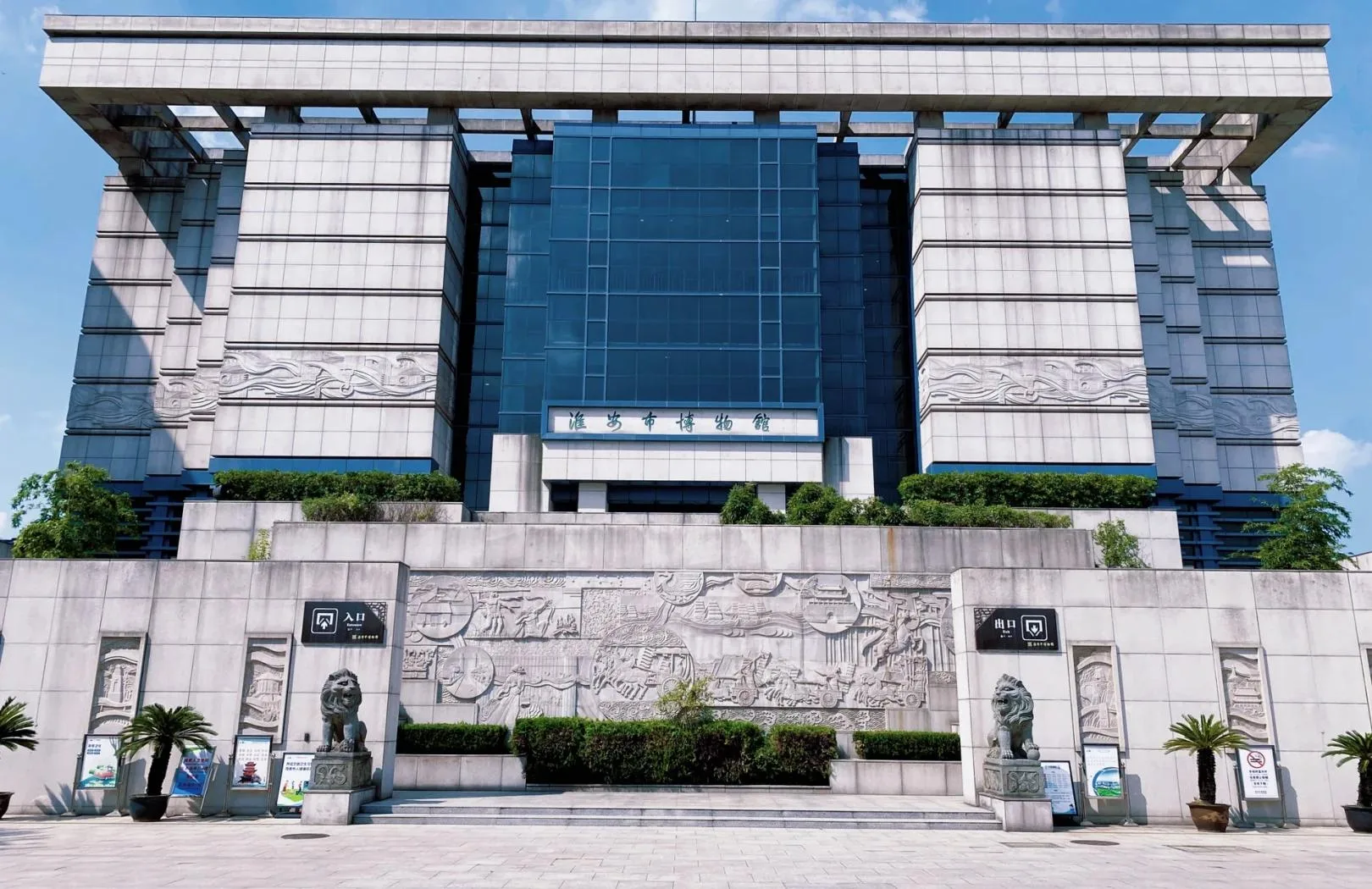
Entering the Huaian Museum for the first time, one is immediately struck by the grandeur of its forty-eight monumental steps. Ascending these stairs and pushing open the doors, over six thousand years of Huaian’s history unfold before you. The museum provides a clear narrative of the city’s past and present as the “Capital of the Canal” and the “Hub of Grain Transport.” In 2025, the museum abolished its closing days to remain open year-round, and in 2026, it underwent a comprehensive renovation and upgrade. For anyone wishing to truly understand Huaian, this stop in the Qingjiangpu district is essential.
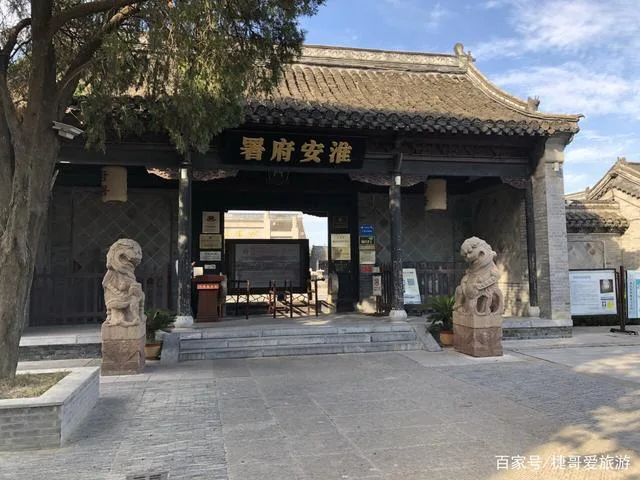
1. Location Overview: The Huaian Museum is located at No. 146-1 Jiankang West Road, Qingjiangpu District, Huaian City, Jiangsu Province. Situated adjacent to the municipal government, it is a comprehensive local history museum, a National First-Class Museum, and a National 4A-level tourist attraction. Located in the Qingjiangpu area of the city center, it is a short distance from the Inner Canal Culture Corridor and shares the city’s central cultural axis with the Qingjiangpu Memory Hall. It serves as the core window for residents and tourists to understand Huaian’s 6,000-year civilization, tracing its roots back to the Neolithic Qingliangang Culture. In Huaian’s cultural tourism landscape, it complements the Huaian Prefectural Office, the China Grand Canal Museum, and the Former Residence of Zhou Enlai: while one museum offers a longitudinal view from ancient times to the canal era, the other sites showcase the prosperity from the Ming and Qing dynasties onward. With its solemn architecture and spacious layout, the museum is free to the public and is the most rewarding cultural stop in the Qingjiangpu area.
2. Cultural Context: Established in 1959, the Huaian Museum is the city’s center for cultural relic collection, exhibition, and archaeological research. Following an expansion in 2004, the facility now covers approximately 13 mu (about 2 acres) with a construction area of 12,000 square meters. The main building consists of four to five floors, with the forty-eight imposing steps leading directly to the second floor. The museum houses over 30,000 items, with the wood-carved drum carriage and bronze chariot ornaments unearthed from the Gaozhuang Warring States Tomb serving as its most prized treasures. In 2024, the museum achieved National First-Class Museum status. On February 10, 2025, it announced the complete removal of closing days, operating from Monday to Sunday and becoming the first prefecture-level city museum in China to be open every day of the year. In 2026, the museum reopened after a systemic upgrade of exhibition equipment and the basic displays on the fourth floor. From expanding its facilities to eliminating closing days and refreshing its exhibits, this historic institution continues to push the boundaries of public cultural services. The land of Huaian has also produced historical figures such as Han Xin and Liang Hongyu, as well as the famed poets Mei Cheng and Mei Gao; the “Distinguished Figures” section of the exhibition hall provides a detailed look at these legendary personalities.
3. Highlights: First, the basic exhibition “Huaian: A National Historic and Cultural City” is divided into units such as the Dawn of Humanity, Chu Charm and Han Style, North-South Hub, Grain Transport Hub, Salt Administration Key, River Affairs Key, and Distinguished Figures, offering a systematic journey through Huaian’s civilization from ancient times to the Ming and Qing dynasties. Second, the canal theme is prominent: as the former station of the Governor-General of Grain Transport, the museum uses maps, ship models, and documents to recreate the hydraulic and logistics systems where the Yellow River and the Grand Canal met. Third, the concentration of precious artifacts is remarkable: the intricate wood-carved drum carriage and engraved bronzes from the Gaozhuang Warring States Tomb offer a glimpse into the lavish travel of pre-Qin nobility; these are now accompanied by digital interactive displays and were included in the first batch of the “Jiangsu Digital Cultural Relics Treasure Box.” Fourth, themed and temporary exhibitions are frequently updated: the Xie Bingyan Calligraphy Art Gallery is a permanent fixture, and the 2026 renovation brought heavyweight specials such as the Wu Weishan Sculpture Art Exhibition and the Bronze Ware Collection Exhibition of Huaian Area Museums. Fifth, the architectural space itself creates a sense of ritual, with the grand steps and gallery sequence perfect for a slow, detailed stroll. For researchers, this is the city’s archaeological hub, housing most of the artifacts from Huaian’s major archaeological finds, many of which are firsthand results of local field archaeology.
4. Visitor Information: Opening hours are Monday to Sunday, 9:00 AM – 5:00 PM (last entry at 4:00 PM), open year-round. Hours may be extended during major holidays and winter/summer vacations; please refer to the official website or WeChat public account for specific announcements. Admission: Free (registration with a valid ID is required; reservations for special exhibitions may be necessary per museum announcements). Group visits and guide services can be booked in advance via the website, public account, or phone. Transportation: Located at No. 146-1 Jiankang West Road, Qingjiangpu District. Take bus lines 4, 16, 32, 86, 88, 717, or Express 5 and alight at the “Huaian Museum” stop. On-site parking is available. A visit of 2 to 3 hours is recommended. The museum is equipped with accessible facilities and a nursing room, and offers audio guides and scheduled free guided tours. As a site of cultural relics, please observe the rules: keep quiet, no flash photography, and do not touch the exhibits. Benches and resting areas are available between galleries, making it easy for seniors and children to take breaks.
5. Travel Tips: For a half-day trip, enter via the forty-eight steps and follow the timeline of the “Huaian: A National Historic and Cultural City” basic exhibition. Spend extra time in the canal-themed unit to understand why Huaian became the hub of grain transport, then focus on the first-class artifacts like the Gaozhuang wood-carved drum carriage, and finish at the Xie Bingyan Calligraphy Art Gallery and current special exhibitions. The best photo spots are the grand steps in front of the museum and the entrance hall; please turn off the flash for close-ups of artifacts. To get the most out of your visit, focus on three threads: the 6,000-year civilization of Huaian, the rise and fall of the Canal Capital, and the first-class museum treasures—catching a scheduled guided tour is highly recommended. Families can let children explore the wood-carved carriage via digital displays to act as “junior guides,” while study groups can opt for deep-dive tours on canal culture or Chu-Han history. Seniors are encouraged to walk slowly and use the resting areas. Upon exiting, the Inner Canal Culture Corridor is within walking distance. You can view exhibitions by day and enjoy the river lights and night cruises by evening, creating a perfect balance of stillness and motion. For children, the social education area offers hands-on experiences like rubbing and relic puzzles.
6. Best Time to Visit: All seasons are suitable; indoor viewing is most comfortable on rainy days, and extended hours during school holidays are convenient for families. You can combine this with a night tour of the Inner Canal Culture Corridor and a visit to the Qingjiangpu Memory Hall for a half-day cultural route in Qingjiangpu. For a full-day itinerary, extend the trip toward the Huaian District to include the Huaian Prefectural Office, the China Grand Canal Museum, and the Former Residence of Zhou Enlai. For local flavors, try Huaian soft-shell eel, Pingqiao tofu, Wenlou soup buns, and Cha-zao (fried dough twists); the eateries in the Qingjiangpu old streets and along the Inner Canal are the most authentic. The museum is most vibrant during International Museum Day or the opening of major special exhibitions. Before visiting, check the official website and WeChat account for special exhibition schedules and extended hours. In winter, this is a wonderful place to escape the cold; spend half a day in the climate-controlled galleries, then step out for a hot bowl of eel noodles by the Inner Canal. This museum, open every day of the year, invites you to slowly read through the six thousand years of Huaian’s civilization.