Lianyungang · Mountains & Scenic Wonders
Huaguo Mountain Scenic Area
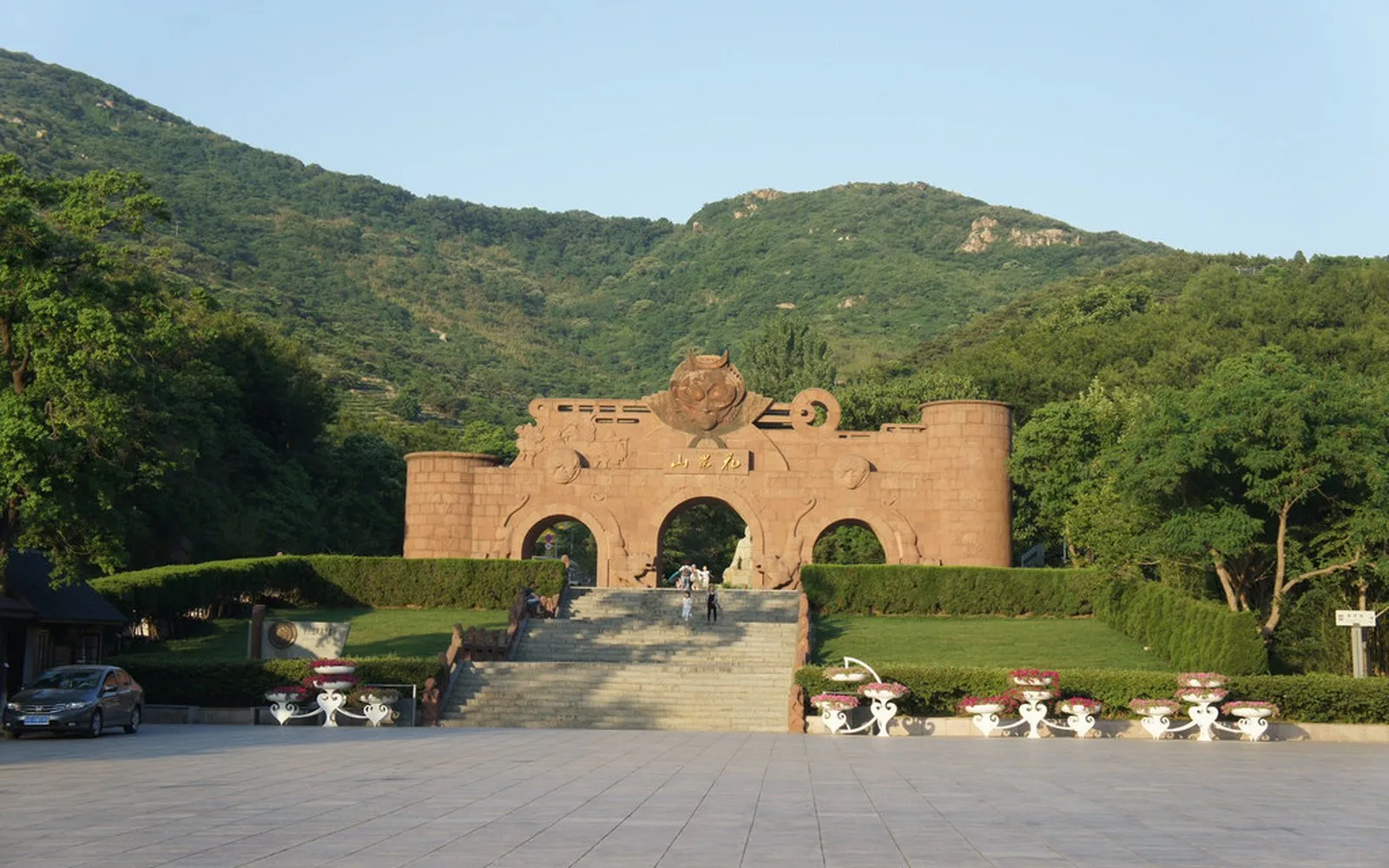
Visiting Huaguo Mountain is half about the scenery and half about searching for the “Great Sage.” Following the path from the mountain gate upward, from the Water Curtain Cave to Sanyuan Palace and Jade Maiden Peak, traces of “Journey to the West” are everywhere. At the Water Curtain Cave, a real waterfall cascades down from the cave entrance; children rush inside with excitement, as if they are about to shout, “The Great Sage has arrived!” Standing at the highest point in Jiangsu, where mountains, sea, and mythology overlap, this climb is truly worth it.
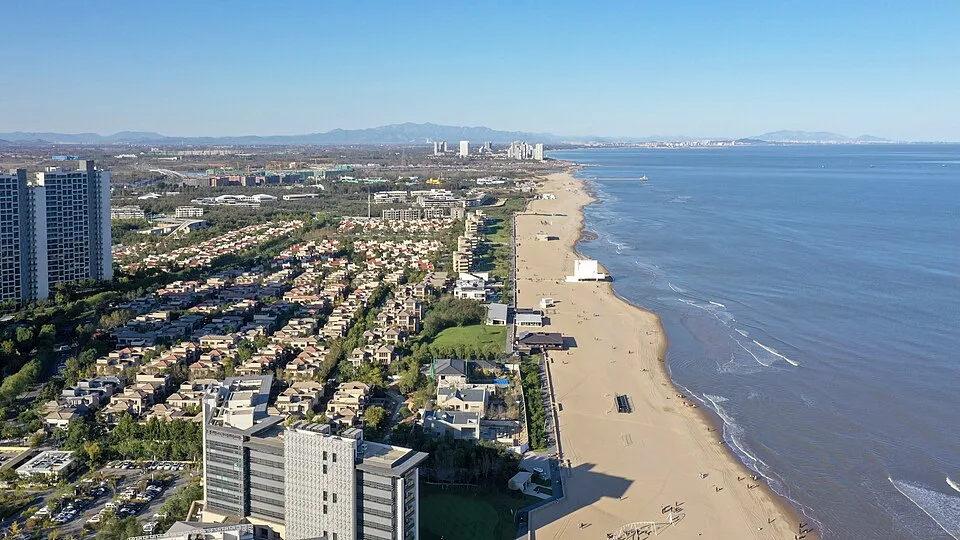
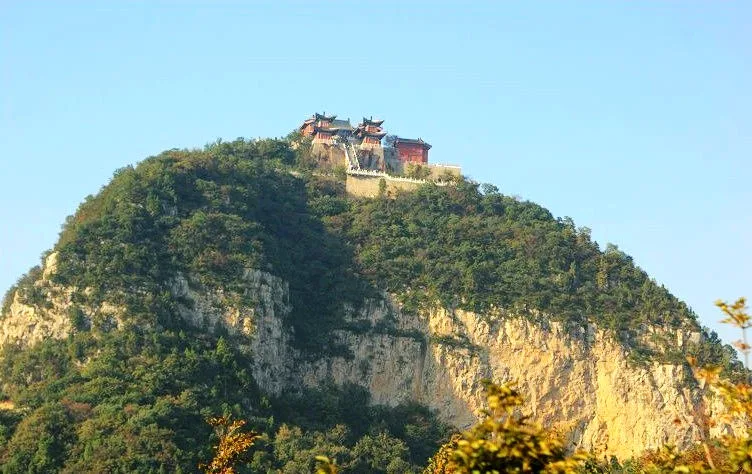
1. Location Overview: The Huaguo Mountain Scenic Area is located at No. 5 Yulin Road, Huaguo Mountain Street, Haizhou District, Lianyungang City, Jiangsu Province. It is the main peak of the Yuntai Mountain range and is recognized as a National 5A Tourist Attraction, a National Key Scenic Spot, and a National Geopark. Dominating the northeast of Lianyungang’s main city and the shores of the Yellow Sea, it is world-famous as the home of Sun Wukong (the Monkey King) from the classic novel “Journey to the West.” The scenic area covers approximately 75 square kilometers and features over a hundred peaks, deep caverns, and fragrant flora, earning it the reputation of the “Fairyland of the East Sea” since ancient times. In Lianyungang’s tourism landscape, Huaguo Mountain, Lian Dao, and the Offshore Yuntai Mountain are the three signature landmarks: one tells myths, one showcases the ocean, and one embraces both. With a bustling port city below and a mist-shrouded immortal mountain above, visitors can overlook the urban area and the Yellow Sea while imagining the mythical world penned by Wu Cheng’en. The harmony between the mountains and the sea is its most defining characteristic.
2. Cultural Context: During the Tang and Song dynasties, Huaguo Mountain was known as Cangwu Mountain or Qingfeng Peak, and it is the most famous of the Yuntai peaks. Its fame is deeply intertwined with “Journey to the West”; landmarks such as the Water Curtain Cave, Sanyuan Palace, Wa Yi Stone, and the Seventy-Two Caves have been associated by folk tradition for centuries as the sanctuary of the Great Sage Equal to Heaven. Local mountain dwellers have long maintained the custom of worshiping the Monkey King and praying for peace. Sanyuan Palace, located in the middle of the mountain, is said to have been built during the Tang Dynasty. This complex of dozens of halls has a history of over a thousand years and is a famous ancient temple in Northern Jiangsu; the sight of worshippers forming long queues along the stone steps is still common today. At the southern foot of the mountain, the Ashoka Pagoda of Haiqing Temple adds a touch of Song Dynasty elegance. It is said that after Wu Cheng’en traveled through the Yuntai Mountains, he was inspired by the strange rocks and secluded caves of this seaside mountain to create the image of Huaguo Mountain in his novel. True to its name (which means “Flower Fruit Mountain”), the wilderness is covered in wild flowers and fruits during spring and summer. Since ancient times, poets and scholars have written endlessly about it. With the modern rise of “Journey to the West” culture, it is regarded as the ancestral home of the Great Sage, and the scenic area often hosts themed activities every spring and autumn, grounding the myth for generations of visitors.
3. Highlights: First, Jade Maiden Peak. Standing at 624.4 meters, it is the highest peak in Jiangsu Province. The Yingshu Pavilion is built at the summit; climbing to the top allows you to experience the pride of standing on the “Roof of Jiangsu,” with seas of clouds and oceanic sunrises being the primary highlights. Second, the Water Curtain Cave. The prototype for Sun Wukong’s residence in the novel, the cave entrance features a waterfall like a curtain. Visitors can walk through the falls into a hidden world, making it the undisputed “soul” of the area for photos. Third, Sanyuan Palace. A thousand-year-old temple built into the mountain, its solemn halls carry the weight of mountain worship and incense traditions. Fourth, Wa Yi Stone and the Seventy-Two Caves. Characterized by jagged rocks and deep caverns, the Strange Rock Garden area features arrays of bizarre formations where natural creation meets mythological imagination. Fifth, Monkey Troops and Cliff Carvings. Macaques roam the mountains and cliff carvings adorn the slopes, blending wild nature with human culture. You will often encounter troops of monkeys leaping through the trees on your way down. Sixth, Sightseeing Shuttle. You can take the scenic shuttle bus directly to the Jade Maiden Peak area to save effort and enjoy a striking panoramic view of the port city and the Yellow Sea.
4. Visitor Information: Opening hours vary by season: Peak season (March 1 to November 30) is 7:00–18:00, with entry closing at 17:00; Low season (December 1 to end of February) is approximately 8:00–17:00 (subject to daily official announcements). Tickets are 90 RMB in peak season and 50 RMB in low season. Discounted tickets for students and seniors are half price (45 RMB in peak season). Children under 1.4 meters and seniors over 70 are free according to policy. Sightseeing shuttles are charged in sections: approximately 25 RMB from the mountain gate to Jade Maiden Peak, and 20 RMB to Water Curtain Cave. During peak season, it is recommended to buy tickets online via official channels to avoid queues. Transportation: From Lianyungang Railway Station, take bus B11 or tourist lines You 1 or You 2 directly to the scenic area. From Lianyungang East Station, take line You 6 or other dedicated shuttles. Many city buses also reach the mountain gate; please check the latest schedules from the bus company. For those driving, navigate to “Huaguo Mountain Scenic Area”; parking is available near the gate, but it fills up quickly during holidays, so arrive early. We suggest spending half a day to a full day here. The mountain paths have many steps, so non-slip shoes are recommended. There is a significant temperature difference between the top and bottom of the mountain; bring a light jacket even in summer and ensure you have plenty of drinking water.
5. Travel Tips: Recommended Half-Day Essential Route: Take the shuttle from the gate up to Jade Maiden Peak first to see the sea of clouds and the panorama. Then, head down via the Jade Emperor Pavilion, Water Curtain Cave, Strange Rock Garden, Sanyuan Palace, and Nine Dragon Bridge before returning to the gate. If time is tight, head straight for Jade Maiden Peak and Water Curtain Cave. Those with good stamina can hike the entire way; walking slowly accompanied by cliff carvings and ancient pines provides a deeper sense of discovery. The best photo spots are the Sea-Viewing Platform of Jade Maiden Peak, the waterfall of Water Curtain Cave, and the framed vistas in the Strange Rock Garden; the sea of clouds and sunsets are the most photogenic. To see the sunrise at Jade Maiden Peak, you must enter as early as possible and check the weather in advance. To enrich the experience, focus on the folklore surrounding the Monkey King, the geography of Jade Maiden Peak, and the history of Sanyuan Palace. Families with children should use the shuttle and enjoy monkey watching; please remind children not to feed the monkeys or get too close. Seniors are advised to minimize stairs and use the shuttle. During peak season, start early to avoid queues for shuttles and parking; weekday mornings are the best time to avoid crowds. Be careful on the steps during the rainy season (slippery) or winter (occasional ice). Before leaving, don’t forget to pick up a “Great Sage” themed souvenir at the mountain gate to bring a bit of that playful and bold spirit home.
6. Best Time to Visit: All four seasons are suitable: spring for mountain flowers, summer for escaping the heat, autumn for clear skies and peak hiking, and winter for the ethereal beauty of rime ice after a snowfall. Jade Maiden Peak is an excellent spot for viewing rime ice near Lianyungang. Early mornings after rain often bring the most magnificent seas of clouds, which photographers eagerly await. If visiting during a “Journey to the West” themed event, the atmosphere is even more vibrant. You can combine this with a trip to Lian Dao for the ocean or Offshore Yuntai Mountain for views, creating a one- or two-day Lianyungang itinerary. In the city, you can also explore Yanhe Lane Night Market and the Lianyungang Museum. Local flavors center on Lianyungang seafood: swimming crabs, prawns, and oysters, as well as local specialties like Liangfen (cold jelly) and Doudan (bean pupae). After descending the mountain, head to Yanhe Lane Night Market for a bowl of Liangfen and some Doudan, or order a few swimming crabs at a seafood stall to complete your journey. Before traveling, please confirm opening hours, ticket prices, and shuttle operations via official channels, especially for any renovation or crowd-control notices regarding the Water Curtain Cave. The magic of Huaguo Mountain is that it gives altitude and stone to a myth: when you actually stand on Jade Maiden Peak or enter the Water Curtain Cave, the words of Wu Cheng’en are no longer just imagination, but the path beneath your feet and the clouds before your eyes. The mountain and the legend complete each other, which is why this place has been passed down through generations for a thousand years.