Lianyungang · Animals & Ocean
Lianyungang Ocean Museum
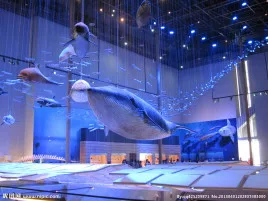
Lianyungang Underwater World is hidden within the Liandao Bathing Beach—step inside to find a vibrant world of colorful corals, darting tropical fish, and a dreamy underwater tunnel that brings the deep sea right before your eyes. Watching schools of fish glide overhead with your children, then turning around to splash in the waves on the beach, is the most relaxing part of a family trip to Lianyungang.
1. Location Overview:Lianyungang Underwater World (often called the Lianyungang Aquarium) is located within the Liandao Bathing Beach (Dashawan) in the Lianyun District of Lianyungang, Jiangsu Province. Covering an exhibition area of approximately 3,000 square meters, this aquarium is uniquely built right on the edge of the actual sea. Liandao is the largest island in Jiangsu, and the Liandao Scenic Area is a national 5A-level tourist attraction. Leveraging its position between the island and the Yellow Sea, the Underwater World combines marine ecology, coral displays, and tourism experiences, making it a highlight of Lianyungang’s coastal tourism. In the typical Liandao itinerary, it forms a relaxed “ocean and fish” route along with Dashawan and Sumawan, making it ideal for family educational trips and sightseeing. Built facing the sea, the sound of the tides accompanies the sight of the fish; switching from the museum to the waves is instantaneous, offering a truly unique visiting experience.
2. Cultural Context:Lianyungang Underwater World is a marine-themed venue introduced by the Liandao Scenic Area. As an aquarium built directly beside the ocean, it is quite rare in China. The facility utilizes a saltwater system to breed and display marine animals, and its variety and quantity of live corals are among the top in the country. This distinguishes it from common inland aquariums and brings it closer to a real marine ecosystem. Because corals are extremely sensitive to water temperature, salinity, and light, the museum uses a seawater system to simulate natural ocean conditions, with specialists maintaining water quality and lighting cycles to preserve their vibrant colors. Educational explanations inside focus largely on coral ecology and marine protection. It serves as both a tourist attraction and a public hub for marine science and coral conservation: as visitors watch coral polyps expand and contract or clownfish weave through the reefs, they come to understand the importance of coral reefs to the ocean and the richness and fragility of the blue world—serving as a window into Lianyungang’s marine culture. For many children from inland provinces, this is the first place where they can connect the “coral reefs” from their textbooks with actual living organisms.
3. Highlights:First, the Coral World. The museum houses approximately 1,000 specimens of about 300 marine species bred in saltwater, with a rich and colorful array of corals that feel like an undersea garden by the beach. Second, the Underwater Tunnel. An arched walkway takes you beneath the water, where schools of fish and the occasional shark glide overhead and beside you. This highly immersive experience is a popular spot for photos and observation, often leaving children spellbound. Third, the Jellyfish Palace. Translucent jellyfish dance under shifting lights, slowly pulsing their bells in a dreamy and healing display that is a favorite among children and photographers—the perfect corner to slow your pace. Fourth, Marine Animal Displays. Covering representative species from all major categories of marine life, larger fish have their own tanks while smaller creatures have their own dedicated spaces, allowing visitors to systematically learn about marine biodiversity. It is an excellent place for children to identify fish using guidebooks. Fifth, Performances and Interaction. The venue frequently hosts mermaid shows, sea lion performances, scientific lectures, and Q&A sessions (specific schedules are subject to the daily timetable). Sixth, Beach Integration. Since the museum is located within the Liandao Bathing Beach, you can head straight to the sand and waves after seeing the fish. With changing rooms and showers nearby, the balance of activity and relaxation makes this the most convenient arrangement on the route.
4. Travel Tips:Opening hours are approximately 8:30 AM to 5:00 PM, subject to daily announcements from the scenic area. Adult tickets are around 50–70 RMB (discounts are often available on online platforms), with concessions for children and seniors; please check official or ticketing platforms for real-time pricing. Transportation: As the Underwater World is located inside the Liandao Scenic Area, you must first purchase a Liandao Scenic Area ticket (approx. 50 RMB; scenic area shuttle buses are charged separately, subject to official rates). From the city, take a bus to the Liandao Scenic Area, then take a shuttle bus or walk to the Dashawan Underwater World. For those driving, navigate to “Liandao Scenic Area”; parking is available on the island, though spaces are tight during peak season, so early arrival is recommended. A visit typically takes one to two hours. The interior is climate-controlled with smooth, flat paths suitable for families with children and the elderly. Please do not use flash photography. During holidays, Liandao is very crowded; check the opening status and shuttle operations of the scenic area before traveling (temporary closures for maintenance occasionally occur).
5. Visiting Strategy:For a half-day trip, combine the Underwater World with the Liandao Bathing Beach: visit the museum in the morning to see the corals and the tunnel to avoid the midday sun, then head to Dashawan in the afternoon to play in the waves. During the crowded summer months, you can reverse this: beach in the morning, museum in the afternoon. The best photo spots are the fish gliding overhead in the tunnel, the lights of the Jellyfish Palace, and close-ups of the corals—remember to keep your flash off. Check the performance schedule at the entrance first and plan your route backward from the showtimes to avoid unnecessary backtracking. Focus your attention on coral ecology, the significance of saltwater breeding, and ocean conservation. Families should reserve time for the Jellyfish Palace and interactive Q&A sessions, as the educational talks provide the best value. You can also give children a small mission—such as finding three types of coral or counting the big fish in the tunnel—to give their visit a sense of purpose. The museum is easy to navigate for seniors, who can enjoy a leisurely stroll. Study groups are encouraged to use the exhibits for a guided tour themed around marine biodiversity. The cool interior is a great escape from the heat in summer; while some outdoor activities on Liandao may be suspended in winter, the Underwater World remains open. After leaving, enjoy a bowl of seafood noodles at Liandao Fishing Village to extend your “blue day” from sight to taste.
6. Best Time to Visit:Suitable for all four seasons—as an indoor venue, it is not limited by weather. Summer and autumn are the most popular times, as you can combine the visit with swimming at Liandao. Winter and spring are comfortable and quiet for watching the fish. Winter and summer breaks see peak crowds of families; those who dislike queues should visit on weekdays for a more relaxed experience. You can link this visit with Liandao’s Dashawan, Sumawan, and the Maritime Yuntai Mountain to create a Lianyungang coastal one-day trip: climb Yuntai Mountain in the morning for a panoramic view of the sea, then return to Liandao in the afternoon for the museum and the beach. If you wish to visit Huashan Mountain to explore the legends, it is better to allocate a separate day. Local flavors are centered on Lianyungang seafood—swimming crabs, prawns, oysters, as well as local specialties like jelly (liangfen) and doudan—all easily found at Liandao and in the city. The experience is further enriched during marine science events or Liandao festivals. Before departing, confirm the opening status of the Liandao Scenic Area and shuttle operations, and verify the ticket policies for the Underwater World. If you time your departure with the Liandao sunset, where blue and gold meet on the horizon, the golden light of the sea will perfectly echo the blue light of the museum, providing the most complete conclusion to your blue journey.