Shanghai · City Landmarks
The Bund
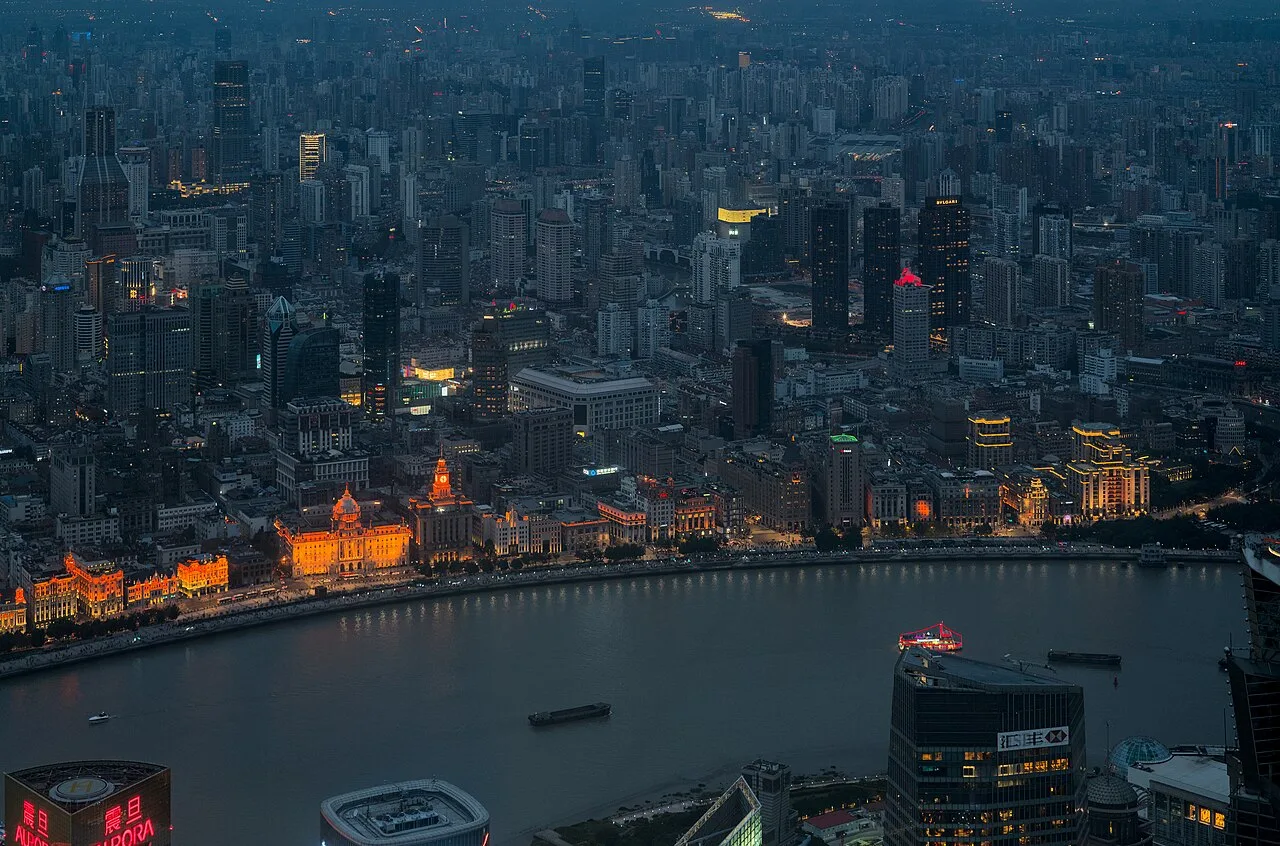
The magic of the Bund lies in its nature as a breathing vintage photograph—by day, you behold the stone columns and domes of the “International Architecture Exhibition”; by night, the neon lights of Lujiazui across the river shatter into a galaxy of stars upon the Huangpu River. I prefer visiting at dusk; standing by the riverbank and watching the historic buildings light up one by one, you will understand why Shanghai is called the “Magic City.”
1. Location Overview:The Bund is located in the Huangpu District of Shanghai, at the confluence of the Huangpu River and the Suzhou Creek. Stretching approximately 1.5 kilometers along the west bank of the Huangpu River from the Waibaidu Bridge in the north to Jinling East Road in the south, it was the first waterfront district to take shape after Shanghai opened its port and serves as the city’s “drawing room” facing the world. The stretch along Zhongshan East 1st Road is a modern architectural gallery composed of banks, trading houses, consulates, and hotels from various eras. It stands opposite the skyscrapers of Lujiazui, together defining Shanghai’s dual skyline of international heritage and modern metropolis. Within the city’s tourism layout, the Bund, along with Nanjing East Road Pedestrian Street, People’s Square, and Lujiazui, forms the core axis of urban sightseeing in Shanghai. It is the first stop for most visitors and the most concentrated footnote of the city’s memory.
2. Cultural Context:The formation of the Bund dates back to the opening of Shanghai’s port in 1843. Over the next century, foreign banks, trading firms, and shipping companies established themselves along the river, gradually creating what became known as the “Wall Street of the East.” Most of the riverside buildings were constructed between the early 20th century and the 1930s (primarily in the 1920s), encompassing styles such as Gothic, Baroque, Neoclassical, and Eclecticism, earning the area the nickname “The International Architecture Exhibition.” Among them, the HSBC Building was once praised as the most sophisticated building between the Suez Canal and the Bering Strait; the Customs House features a clock tower that chimes in imitation of London’s Big Ben; and the Fairmont Peace Hotel has witnessed countless historic events. These buildings once served as the battlefield for foreign and Chinese capital, where the flow of banknotes and bills affected half of Asia. Today, most remain in use as financial institutions or luxury hotels, their functions quietly continuing beneath the stone facades. In 1996, the Bund architecture group was listed as a Major Historical and Cultural Site Protected at the National Level. At the northern end, spanning the mouth of the Suzhou Creek, lies the Waibaidu Bridge. Completed in 1908, this steel bridge was China’s first all-steel riveted bridge and is a physical landmark of modern engineering history. After 1949, these buildings were gradually nationalized and converted into offices. With the Reform and Opening-up and especially the development of Pudong, financial institutions and high-end commerce returned to Zhongshan East 1st Road, allowing the Bund’s financial identity to persist in a new form.
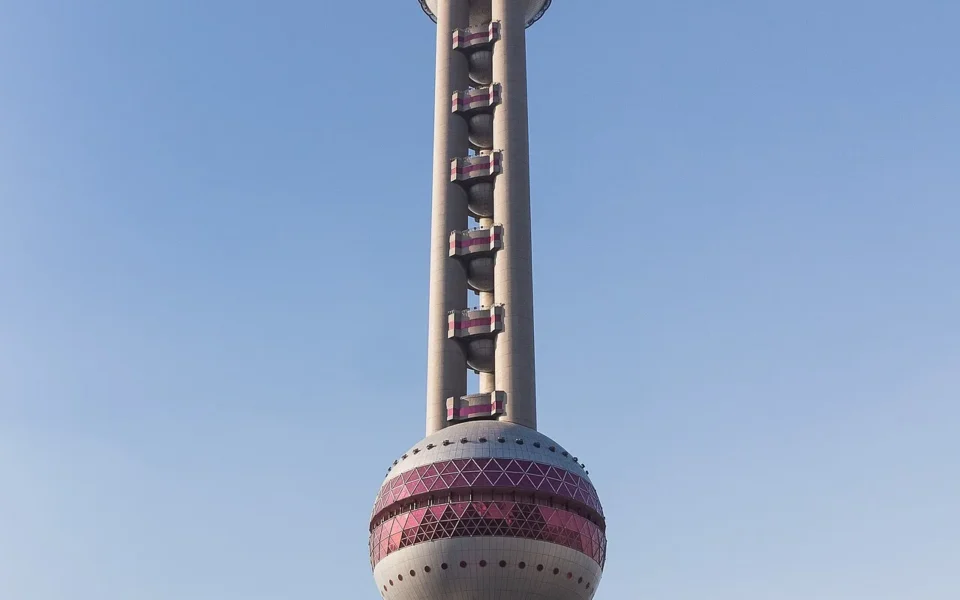
3. Highlights:The first highlight is the International Architecture Exhibition itself. Walking south along Zhongshan East 1st Road, more than fifty historic buildings—including the Asia Building, the Shanghai Club, the HSBC Building, the Customs House, the Russo-Chinese Bank, the Fairmont Peace Hotel, and the Sassoon House—line the way. With their intricate facades and diverse styles, the area is essentially an open-air architectural museum. The second highlight is the Lujiazui skyline across the river, where the Oriental Pearl Tower, Shanghai Tower, Jin Mao Tower, and World Financial Center rise from the Pudong shoreline, creating a dialogue across time and space with the old buildings of the Bund. The third highlight is the Huangpu River scenery and its night views; after dark, the lights on both banks ignite, and cruise ships shuttle across the water. The Waibaidu Bridge, the “Lovers’ Wall,” and the Shanghai Postal Museum are all classic photo spots. The fourth highlight is the Rockbund area, which preserves buildings and churches from the earliest days of the port. The area around Yuanmingyuan Road now clusters art galleries, boutique shops, and cafes, serving as the key to understanding the Bund’s past and present. The Bund is also the core section of the Huangpu River Waterfront Public Space project, where citizens and tourists share the same view. In the early morning, it is common to see locals exercising and flying kites on the promenade, forming a complementary side to the midnight neon.
4. Visitor Information:The Bund district is open 24 hours a day for free; no admission ticket is required, though interior visits or roof access to certain historic buildings may incur a fee. Landscape lighting is operated seasonally (approximately 19:00–23:00 in summer and 18:00–22:00 in winter), with extensions during major holidays as announced by the City Greening and City Appearance Bureau. The Bund History Museum is open from 9:00 to 16:30 (last entry at 16:15), subject to official announcements. Transportation: Take Metro Line 2 or 10 to East Nanjing Road Station and walk east for about ten minutes. Various bus lines stop near Zhongshan East 1st Road and Yan’an East Road. You can also take a ferry or the Bund Sightseeing Tunnel to travel to Lujiazui in Pudong. Parking in the core area is limited, and crowd control may be implemented during holidays; public transport is highly recommended. A visit typically takes one to two hours, covering a walking distance of 1.5 to 3 kilometers; comfortable walking shoes are advised. The riverfront can be windy, so a light jacket is recommended in spring and autumn, and sun protection and hydration are essential in summer. QR codes for audio guides are available on the buildings, and the official “Huangpu Most Shanghai” platform provides self-guided audio tours. Cycling and drone photography are prohibited on the riverfront promenade.
5. Travel Tips:A recommended half-day itinerary begins at the Waibaidu Bridge and wanders south along Zhongshan East 1st Road toward Shiliupu, stopping to visit the interiors of open buildings along the way. Arrive at the viewing platform before evening to watch the lights flicker on after sunset. The Bund has different personalities in the morning and night: in the early morning mist, the stone buildings cast a cool grey hue, a pure moment loved by photographers. At night, the buildings are outlined by warm golden wash lights, echoing the neon across the river to create the most iconic image of Shanghai. Best photo spots include the deck of the Waibaidu Bridge, the framed view of the Postal Museum entrance, the vantage point opposite Chen Yi Square, and the panoramic view of the Bund looking back from the Pudong riverfront. Focus your attention on the evolution of architectural styles and the financial history of the port. For families, the Bund Sightseeing Tunnel (connecting to Lujiazui, approx. 647m long) adds an element of fun. Photography enthusiasts should choose early mornings or weekdays to avoid crowds. Seniors are suggested to take short walks in the evening, avoiding the peaks from 10:00–12:00 and 19:00–21:00. Rather than rushing through a checklist, it is more rewarding to sit quietly on a section of the promenade, watching the river flow east and listening to the foghorns in the breeze.
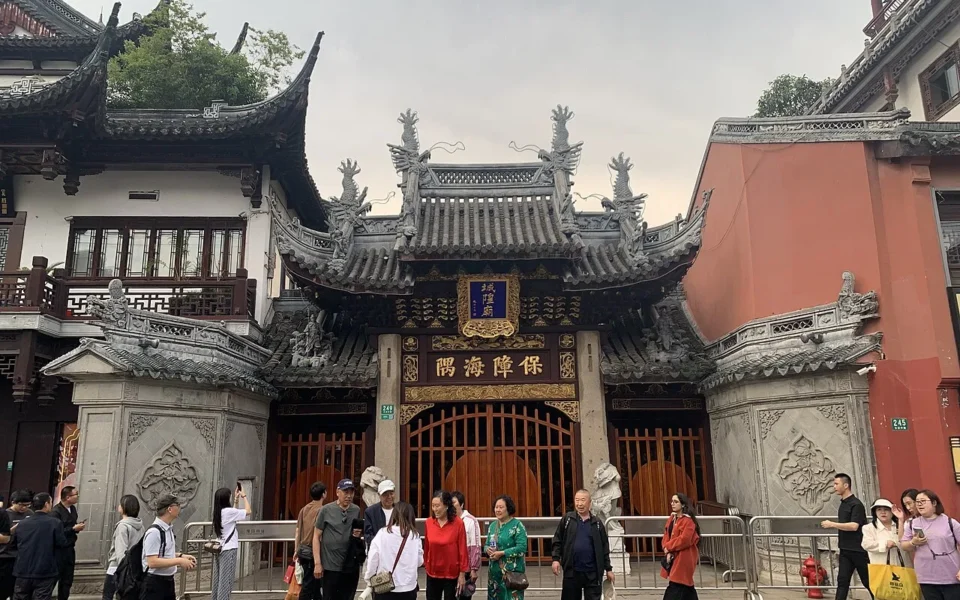
6. Best Time to Visit:Spring and autumn offer pleasant weather, making them the best seasons for strolling the Bund. Summer nights are cool but crowded, while winter offers Christmas decorations and New Year’s Eve light shows. Nearby attractions include shopping at Nanjing East Road Pedestrian Street, and experiencing the local atmosphere of the Old City at the City God Temple and Yu Garden. You can also take the East-Golden Line ferry (operating approx. 7:00–22:00) to Lujiazui for just two yuan. Local experiences include trying traditional time-honored food shops on Nanjing East Road, visiting cafes around Rockbund, and taking a night cruise on the Huangpu River. After multiple renovations, the waterfront promenade is now fully connected with more greenery. From Waibaidu Bridge to Shiliupu, there are now resting spots and viewing platforms. The once-exclusive shoreline has been returned to the citizens—the reason these landmarks remain timeless is that they are constantly given new meaning by new eras.