Shanghai · City Landmarks
Oriental Pearl Tower
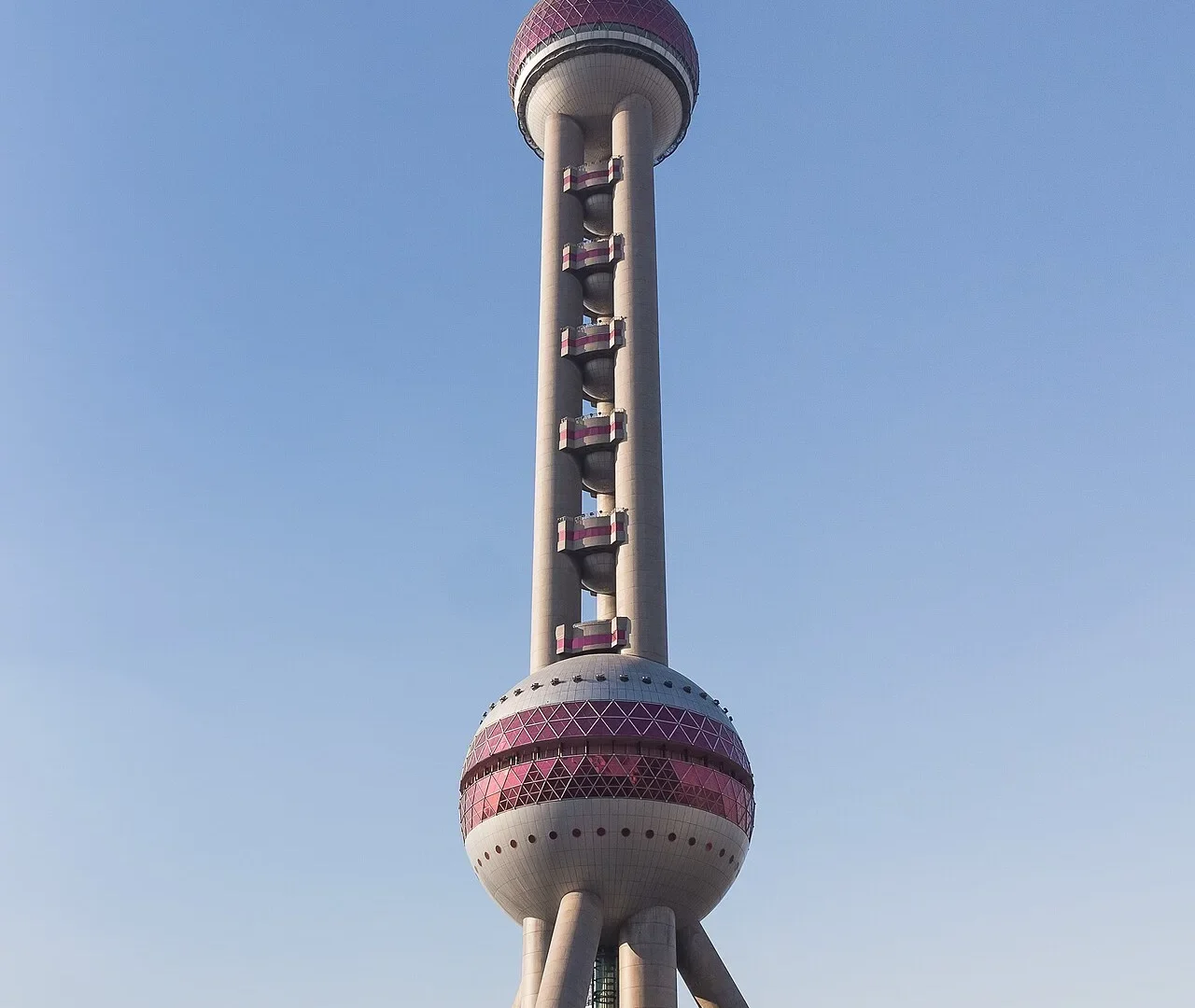
The timeless appeal of the Oriental Pearl Tower lies in its silhouette of three soaring columns and two spheres—a defining part of the Lujiazui skyline by day, and the brightest landmark along the Huangpu River by night. I chose to ascend at dusk, catching the sunset over the old city of Puxi and experiencing the thrill of the glass skywalk, feeling as if I were floating mid-air. In one tower, I witnessed both the past and the future of Shanghai.
1. Location Overview:The Oriental Pearl Radio & TV Tower is located at No. 1 Century Avenue, Lujiazui, Pudong New Area, Shanghai. Situated in the heart of the east bank of the Huangpu River and facing the Bund in Puxi, it is the most iconic landmark of the city. Standing approximately 468 meters tall, the tower is supported by three pillars with a diameter of 9 meters each, featuring a lower sphere of 50 meters and an upper sphere of 45 meters. Completed in 1994, it integrates broadcasting and television transmission, sightseeing, dining, exhibitions, and cultural tourism, making it one of China’s first National 5A-level tourist attractions. In the narrative of Pudong’s opening and development, the Oriental Pearl was the first landmark to rise, serving as the starting point and core symbol of the Lujiazui skyline, defining Pudong’s modern image alongside the Shanghai Tower, Jin Mao Tower, and Shanghai World Financial Center.
2. Cultural Context:The concept for the Oriental Pearl was born in the early 1990s against the backdrop of Pudong’s development. When the tower was completed in 1994, the opposite bank (the Bund) had already enjoyed a century of prosperity, while Lujiazui was still mostly farmland and old factories. This soaring tower of spheres signaled the rise of Pudong as a new center of finance and openness; it was a spatial manifesto of China’s reform and opening-up. The design, featuring spheres of varying sizes, was inspired by the imagery of the poem by Bai Juyi: “Large pearls and small pearls falling onto a jade plate.” The lower sphere, upper sphere, and the high-altitude space capsule are arranged staggeredly to meet technical broadcasting needs while creating a distinct visual identity. Since its inception, the tower has witnessed historic milestones such as China’s entry into the WTO, the Shanghai Expo, and thirty years of Pudong’s development, becoming a collective symbol of modernization for generations of Shanghainese and the preferred backdrop for countless city images.
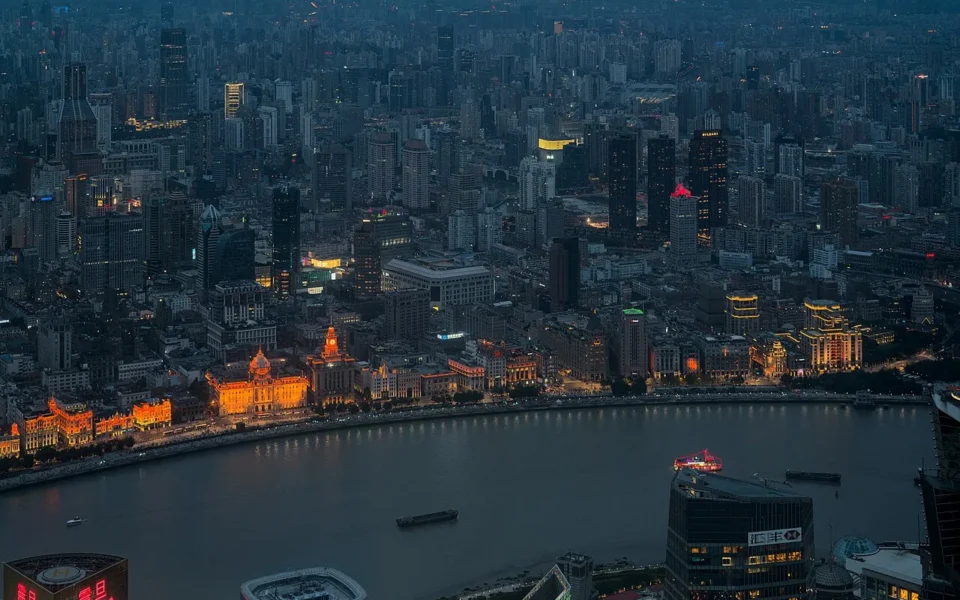
3. Highlights:One major draw is the main observation deck at 263 meters, offering a 360-degree panoramic view of both banks of the Huangpu River, capturing the international architecture of the Bund and the skyscrapers of Pudong; on clear days, one can see as far as the mouth of the Yangtze River. Another highlight is the 259-meter fully transparent glass skywalk, where the city stretches far below your feet—a popular spot for thrill-seekers and stunning photos. The Space Capsule at 351 meters, located at the highest point of the tower, provides the most expansive vista. For indoor experiences, the revolving restaurant at 267 meters allows guests to dine while enjoying the view. The Shanghai History Museum, located in the lower sphere, tells the story of Shanghai’s transformation from a coastal fishing village to an international metropolis through wax figures and reconstructed scenes. Featuring full-scale recreations of old trams, vintage shops, and dock scenes, it is often the most underrated part of the visit. Additionally, the tower’s light shows and festive projections often synchronize with other Lujiazui skyscrapers, changing the landmark’s “expression” at night. Other attractions include the 78-meter multimedia show, a 95-meter high-altitude VR roller coaster, and various entertainment spaces in the lower sphere, making the visit a journey from urban history to futuristic fantasy that lasts longer than most visitors expect.
4. Visitor Information:Opening hours are generally 9:00 AM to 9:00 PM; please refer to official announcements for last entry times, as the restaurant and certain attractions may vary. Ticket prices: The Two-Sphere ticket (including the upper sphere, lower sphere, and Shanghai History Museum) is 199 RMB per person; the Three-Sphere ticket (including the Space Capsule) is 299 RMB per person; combination tickets including cruises or dining are also available via official channels. Concessions: Children under 1 meter are free; children between 1m and 1.4m can purchase discounted tickets; seniors over 70 with valid ID receive discounts; active military personnel follow official concession policies. Transport: Take Metro Line 2 or Line 14 to Lujiazui Station; it is a short walk from the exit. Various bus lines serve the Lujiazui Ring Road area. For those driving, parking is available at Super Brand Mall and nearby shopping centers, though spaces in the Lujiazui core area are limited and prone to congestion during holidays; the metro is highly recommended. A visit typically takes two to three hours. The tower provides nursing rooms, luggage storage, and wheelchair accessibility. Real-name registration is required for tickets; please bring a valid ID. It can be windy with a significant temperature drop at the top, so a light jacket is recommended. Expect long queues during holidays; online booking and off-peak visits are advised.
5. Travel Tips:I recommend ascending between 4:00 PM and 5:00 PM to see the city in daylight and then stay for the sunset and the dazzling night view. A classic route is: start with the Shanghai History Museum in the lower sphere, take the elevator to the main observation deck for a panoramic view and photos on the glass skywalk, and then head to the Space Capsule depending on your ticket. Best photo spots include the glass floor of the skywalk, the panoramic windows of the main deck, and the plaza in front of the tower for a full-shot of the structure; capturing the panorama from the Bund in Puxi is also very impressive. Looking around from the tower is the fastest way to orient yourself in Shanghai: west is the century-old prosperity of the Bund and Nanjing East Road, east is the dense cluster of Lujiazui skyscrapers, with the Huangpu River winding between them like a jade ribbon. It is ideal for families, couples, and photography enthusiasts. For families, combine the revolving restaurant with the history museum for an educational experience. You can also take a 2-yuan ferry to and from the Bund, combining the tower visit with a riverside stroll in Puxi on the same day to truly understand the contrast between the two banks. If budget or time is limited, choose between the Oriental Pearl and the “Top of Shanghai” at the Shanghai Tower: the former is better positioned facing the bend of the Bund and includes the history museum, while the latter wins on height. For those visiting both, I suggest one during the day and one at night to vary the experience.
6. Best Time to Visit:Spring and autumn offer the most comfortable weather and highest visibility, making them the best seasons for sightseeing. Summer nights are brilliantly lit, and winter is great for New Year’s Eve light displays. You can easily combine this visit with the “Top of Shanghai” at the Shanghai Tower, the 88th-floor observation deck of the Jin Mao Tower, and the Shanghai World Financial Center to create a Lujiazui “high-altitude line.” The Super Brand Mall area and the riverside promenade are within walking distance; the city plaza, riverside greenery, and underground corridors seamlessly connect the metro and commercial areas, allowing for leisurely dining, shopping, and walking before or after the ascent. For local food, try the Shanghainese cuisine in Lujiazui or the buffet at the revolving restaurant. The Oriental Pearl cruise pier nearby offers night cruises on the Huangpu River, combining the bird’s-eye view with a river-level perspective. During New Year’s and National Day, the tower’s lights change according to the theme, serving as the backdrop for the city’s major moments. For first-time visitors to Shanghai, the Oriental Pearl is more than just an observation deck—it is the gateway to understanding the contemporary spirit of the city.