Jinan · Museums & Academia
Shandong Museum
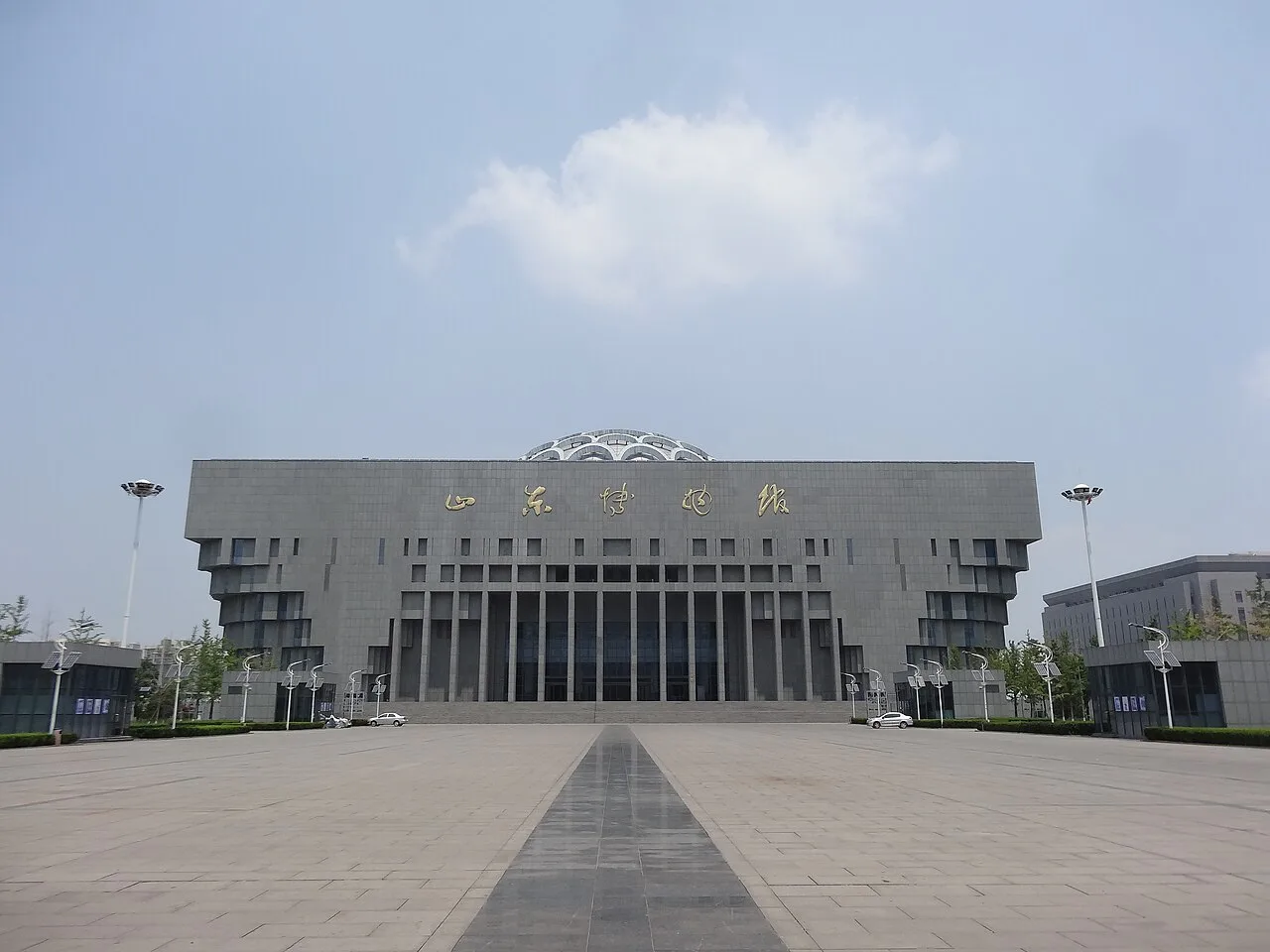
The first time I stepped into the hall of the Shandong Museum, I was first struck by the imposing atmosphere created by the architectural interplay of circles and squares, and then captivated by a single eggshell black pottery cup—its walls, thin enough to be translucent, are the work of artisans from over four thousand years ago. From the pottery of the Dawenkou and Longshan cultures to the bronzes of the ancient State of Lu, a comprehensive history of Shandong unfolds across the museum’s galleries.
1. Location Overview: The Shandong Museum is located at No. 11899 Jingshi Road, Lixia District, Jinan. Situated adjacent to the Shandong Art Museum, it is the largest and most comprehensive museum in Shandong Province and is designated as a National First-Class Museum. It occupies a central position on the Jingshi Road cultural axis in eastern Jinan, forming a cultural corridor that bridges the past and present alongside the Art Museum and the Provincial Archives. The facility covers approximately 83,000 square meters and houses 23 exhibition halls. Within the regional tourism landscape, the Shandong Museum serves as the primary gateway to understanding the Qi-Lu land and stands as the most prestigious academic landmark on the Jingshi Road cultural belt. Whether for local residents or overseas travelers seeking an in-depth journey through Shandong, this is an essential starting point. The front plaza and the grand hall themselves exude the solemnity and warmth of a “land of ceremony and propriety.”
2. Cultural Context: Established in 1954, the museum’s predecessor, the Shandong Provincial Museum, was the first provincial comprehensive local history museum founded after the establishment of New China. Its basic local history exhibitions opened to the public in 1956, with a collection heritage tracing back to the Guangzhi Academy and the Shandong Epigraphy Preservation Society of the late Qing Dynasty. On November 16, 2010, the new facility on Jingshi Road opened, and the institution adopted its current name. The new building utilizes the symbolic language of circles and squares to echo traditional Chinese culture, featuring grand architecture and modern facilities. As a National First-Class Museum, it is free to the public and fulfills integrated functions of collection, research, exhibition, and education. Shandong is a vital cradle of Chinese civilization, where the Dawenkou and Longshan cultures flourished and the traditions of ritual and music from the home of Confucius and Mencius have run deep. These rich cultural veins are systematically presented here. With over 400,000 items in its collection—including ceramics, bronzes, jades, oracle bones, bamboo slips, calligraphy and painting, Han dynasty stone reliefs, and Buddhist sculptures—the museum spans from prehistoric times to the Ming and Qing dynasties, serving as a history of Shandong written in physical artifacts.
3. Highlights: First is the basic exhibition “Hai Dai Ri Xin—Shandong History and Culture Exhibition.” This serves as the backbone of the museum, narrating the journey from prehistoric civilization to the Ming and Qing dynasties. The eggshell black pottery high-stemmed cup, unearthed from a Longshan culture site, is as thin as an eggshell and lustrous black; it is hailed as a pinnacle of ancient Chinese pottery craft and a key to understanding the origins of the Hai-Dai civilization. Second is the Art of Han Stone Reliefs. This exhibition focuses on stone reliefs and bricks, using concise lines to record the banquets, music, dance, carriages, and myths of the Han people, making it a visual treasury for studying Han society. Also prized here are the bamboo slips of “The Art of War” by Sun Tzu and “Sun Bin’s Art of War” from the Yinque Mountain Han tombs in Linyi—discoveries that rewrote the history of Chinese military classics. Third are the Buddhist Sculptures. The Northern Dynasty stone sculptures unearthed in Shandong are renowned for their fluid drapery and serene smiles; the cached sculptures from Longxing Temple in Qingzhou are world-famous, reflecting the characteristic restraint and compassion of Eastern sculpture. Fourth are the thematic and natural exhibitions. Official kilns of the Ming and Qing dynasties, calligraphy and painting through the ages, and Shang and Zhou bronze masterpieces connect the ritual music of Qi-Lu with the refined tastes of scholars. Meanwhile, nature exhibitions such as the African Wildlife Migration and “Shandong Dragon—Through the Cretaceous” are favorites for families. The permanent exhibitions are complemented by temporary special exhibits and digital interactions, allowing visitors to intuitively experience the evolution of civilization.
4. Visitor Information: Opening Hours: Tuesday to Sunday, 9:00 AM to 5:00 PM (last entry at 4:00 PM); closed on Mondays (except for statutory holidays). During peak seasons like summer, hours are often extended to 7:00 PM; please refer to official announcements. Admission: Free. Visitors can collect tickets on-site with a valid ID or make an appointment online via the Shandong Museum official website or official WeChat account. Early booking is recommended during holidays. Some temporary exhibitions or experience projects may require a fee. Transportation: Located at No. 11899 Jingshi Road, Lixia District. Take a bus to the “Provincial Museum” stop. For those driving, navigate to “Shandong Museum.” Parking is available on-site, but spaces are limited during holidays; public transport is preferred. Recommended visit duration: Half a day (3 to 4 hours). Services: Guided tour reservations are available. The museum provides nursing rooms, accessible ramps, and convenience facilities. Please do not use flash photography; food and drink are prohibited inside. Check the official website or WeChat account for current opening and reservation status before visiting.
5. Travel Tips: For a half-day trip, head straight for the permanent exhibitions: start with “Hai Dai Ri Xin—Shandong History and Culture Exhibition” to establish a chronological framework, then move to the Han Stone Reliefs and Buddhist Sculpture exhibitions for the details, and conclude with calligraphy, painting, and ceramics. For a full-day trip, include the adjacent Shandong Art Museum—history in the morning, art in the afternoon. Given the museum’s scale, it is more rewarding to build a framework first and then focus on the masterpieces rather than rushing through every hall; allow ample time for the highlight galleries. The best photo spots are the front plaza and the building’s facade. Inside, disable your flash to protect the artifacts and avoid disturbing others. Focus your attention on the craftsmanship of the eggshell black pottery cup, the social imagery of the Han reliefs, and the aesthetics of the Qingzhou sculptures. The Buddhist sculpture hall is ideal for quiet contemplation; the smiles of the Northern Dynasty figures are moving even through the glass. Interactive screens and digital displays are available for all ages. Families can use the Han stone reliefs to tell children how people ate, traveled, and imagined the heavens in the Han dynasty, then visit the natural history hall for dinosaurs and specimens. Study groups should book guides for in-depth interpretation, while individual travelers can rent audio guides. Seniors are encouraged to visit on weekdays to avoid crowds; the museum has ample seating and rest areas for paced visiting. Before leaving, visit the museum shop for Qi-Lu themed fridge magnets and bookmarks.
6. Best Time to Visit: The museum is suitable for all four seasons as indoor visiting is unaffected by weather. Summer and holidays offer more events but are more crowded; weekdays are more leisurely. Winter is relatively quiet and perfect for detailed observation. You can easily combine your visit with the Shandong Art Museum and the Shandong Provincial Archives, or head west along Jingshi Road to reach commercial complexes. For a historical route, extend your trip to the springs and ruins of Jinan’s old city. Regarding local experiences, the area around the museum has plenty of restaurants and bookstores. After your visit, pick up Qi-Lu themed souvenirs or taste authentic Lu cuisine and Jinan snacks—”Bazi” braised pork with rice and sweet and sour carp are quintessential Qi-Lu flavors. Overall, the Shandong Museum is a three-dimensional textbook for understanding Shandong. We recommend booking in advance and reserving plenty of time to leisurely walk through the long corridor from prehistory to the Ming and Qing dynasties, turning artifacts into vivid historical images in your mind.