Jinan · Ancient Towns & Old Streets
Furong Street
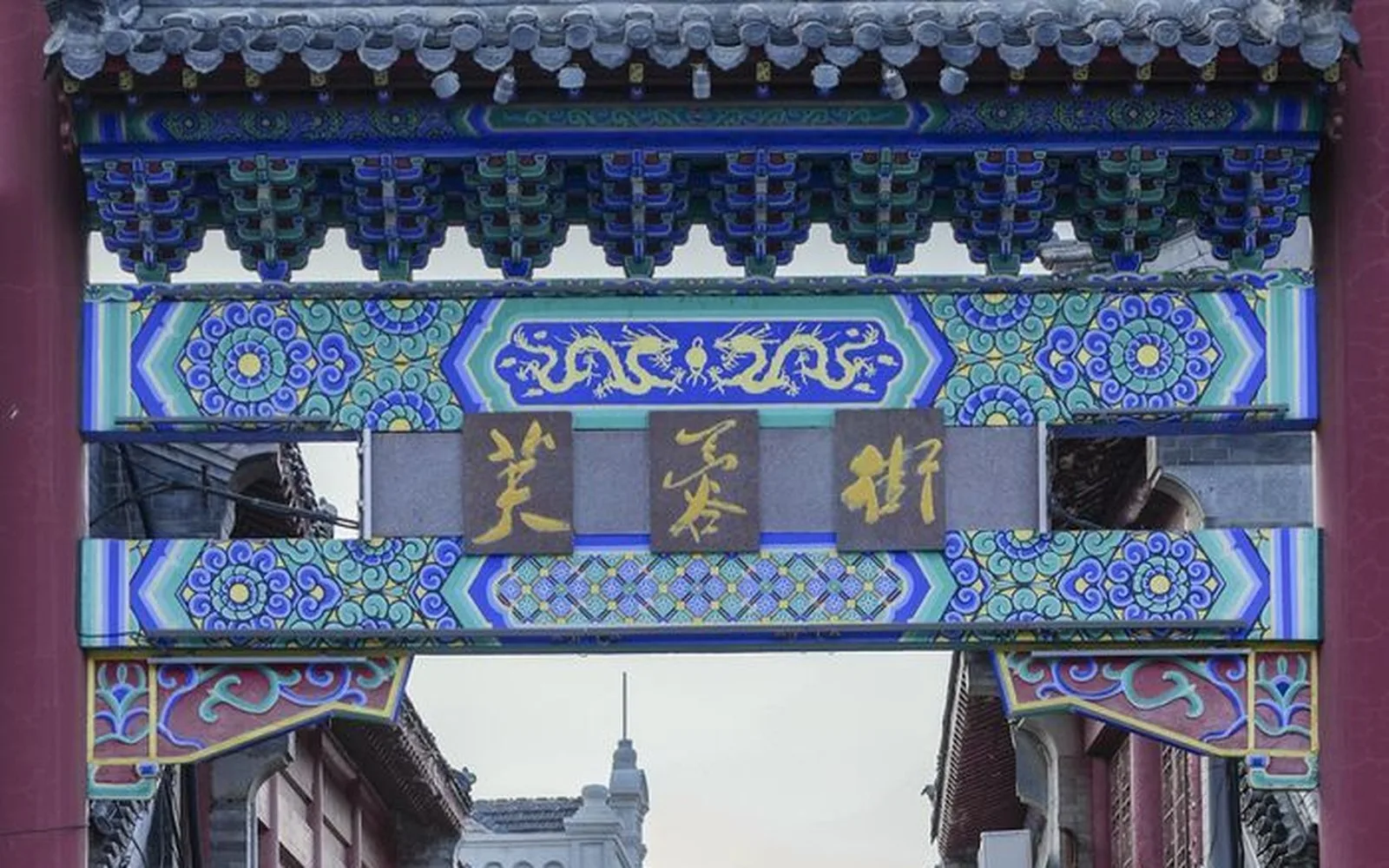
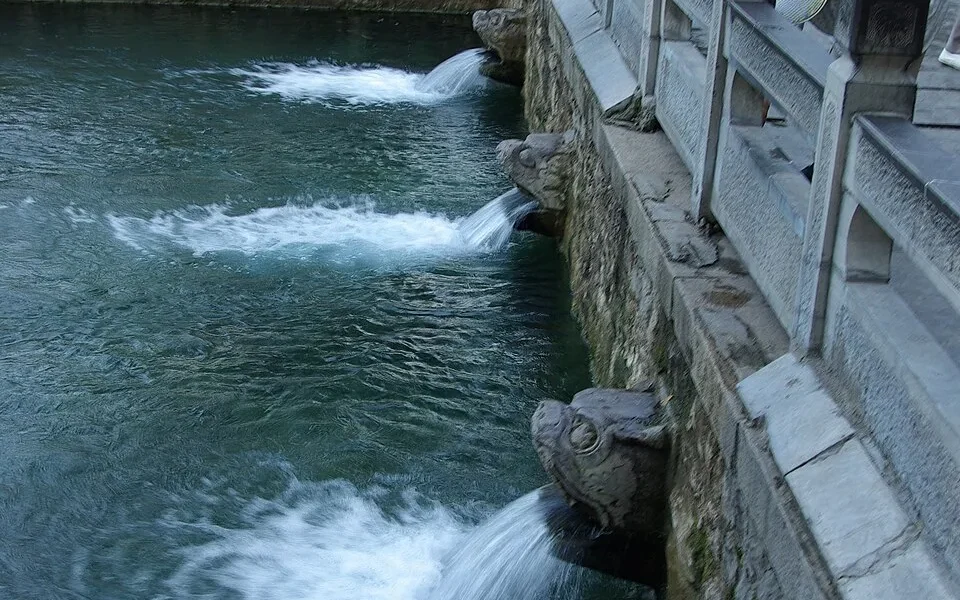
I stepped into Furong Street on a drizzly afternoon. The blue stone slabs were washed bright by the rain, and a rush of white steam from bamboo steamers, the charred aroma of Youxuan (oil-fried swirls), and the vivid red of candied haws flooded into the narrow alley, barely four or five meters wide. The signs of the small shops on either side nearly touched overhead, and umbrellas brushed against umbrellas as the crowd shuffled forward. Mid-way through the lane, the noise suddenly softened—the Furong Spring was nestled within a stone railing by the roadside, its waters crystal clear, with a single red carp gliding slowly past. The bustle of the market and the serenity of the spring were separated by only a few steps.
1. Location Overview: Furong Street is located in the heart of the old city in Lixia District, Jinan. Stretching 432 meters from the middle of Quancheng Road in the south to the south entrance of Xihuaqiangzi Street and the Fu Xue Wen Miao (Confucian Temple) in the north, it is only four to five meters wide, making it one of the best-preserved Ming and Qing dynasty alleys in old Jinan. Hidden behind modern commercial complexes like Plaza 66 and Guihe Shopping Center, it is just a few minutes’ walk north from Quancheng Square. Suddenly, the crowds and traffic fade away, and an old street paved with blue stones appears. This area falls within the range of the Pearl Spring group, with underground spring veins crisscrossing beneath; a string of spring ponds, including the Wangfu Pond, are hidden between the alleys. The saying “willows in every yard, springs in every home” perfectly describes this part of the old city. Shops line both sides of the street, most of which are small businesses that have operated for many years. At the northern end, the Fu Xue Wen Miao stands solemnly with its red walls and black tiles—a contrast between movement and stillness that captures the most authentic essence of old Jinan’s street life. For this reason, it is best to explore Furong Street on foot: it grew organically from the “capillaries” of the old city. Walking slowly allows you to appreciate the storefronts, signs, and aromas; cycling would be too fast, and you would miss everything.
2. Cultural Context: Furong Street is named after the Furong Spring. Located on the west side of the street’s midsection, the spring was recorded as early as the Jin Dynasty in the “Famous Springs Tablet” and is one of Jinan’s 72 Famous Springs. The water bubbles up from the bottom of the pond, flows north through the Tiyun Stream, and eventually merges into the Pan Pond of the Fu Xue Wen Miao—connecting the daily hustle of the marketplace with a millennium-old academy through a vein of water. The street’s name first appeared in the “Licheng County Annals” in 1771 (the 36th year of Emperor Qianlong’s reign). Since the Ming and Qing dynasties, this area has been a hub of shops and workshops, selling everything from southern specialties and fabrics to general merchandise and antiques. During the Republican era, several printing houses and newspaper offices opened here, and time-honored brands like Dacheng Yong Hat & Shoe Store and Yuqian Qipao Shop once had storefronts here. The Fu Xue Wen Miao at the north end was originally built in the Northern Song Dynasty, rebuilt in the second year of Hongwu’s reign (Ming Dynasty), listed as a provincial cultural relic protection unit in 1992, and reopened after a major renovation in 2005. In recent decades, Furong Street has transformed into a pedestrian street famous for snacks, where legacy brands and “Internet-famous” treats coexist, making it the first stop for many tourists to experience old Jinan. Locals speak of it with a touch of pride: this street has fed generations and preserves the old flavors the city is most reluctant to let go.
3. Highlights: The charm of Furong Street lies first in its “narrowness” and “crowdedness.” The blue stone road has been polished smooth by time, and the gable walls, wooden doors, and lattice windows of old houses overlap on both sides. Traditional banners of legacy shops mingle with modern snack signs, leaving only a sliver of sky above—a cozy feeling locals call the “Sliver of Sky” style. Mid-way, don’t forget to lean down and look at the Furong Spring; the pond is small, with the spring’s name carved into the stone railing. The water is transparent enough to count the fish, serving as the soul of the street; many visitors double back to find it after they’ve finished eating. Further north, the Dacheng Hall of the Fu Xue Wen Miao features high-sweeping eaves and solemn red walls, creating a wonderful contrast with the noise of the alley, especially during Confucian rites when the atmosphere becomes even more dignified. Of course, the biggest draw is the food: traditional Jinan tastes like Youxuan, Tianmo (sweet millet porridge), and Caobao steamed buns crowd the street alongside northern and southern snacks like stinky tofu, grilled squid, and durian puffs. Eating from one end of the street to the other is the most direct memory many have of Furong Street. Beyond the food, there are scattered small shops selling handicrafts and vintage items, perfect for picking up a souvenir.
4. Visitor Information: Furong Street is an open historical district with free admission and is accessible all day. Most shops open around 10:00 AM and close between 9:00 PM and 10:00 PM; some legacy stores close earlier, so it is recommended to visit during the day for traditional tastes. In terms of transport, it is adjacent to the Quancheng Road pedestrian shopping area, with multiple bus lines stopping nearby. It is within walking distance of Quancheng Square, Baotu Spring, and the South Gate of Daming Lake. Vehicles are prohibited inside the street; those driving can park in the garages of nearby malls like Plaza 66 or Shimao and walk in. Three reminders: the alley is narrow and extremely crowded during holidays; please keep a close eye on your belongings and children, and follow the directions if one-way traffic is implemented. Some snack stalls require payment before picking up food; keep track of your queue number. Mobile signals can occasionally be weak in the old alleys, so it’s helpful to have some small change on hand. Blue stones can be slippery when wet, so please wear non-slip shoes. Public restrooms are hidden in the small alleys near the mid-section; first-time visitors should look for the roadside guide signs, as service facilities in the old city are often tucked away in inconspicuous spots.
5. Travel Strategy: It is recommended to enter from the south and exit at the north, eating your way through to the Wen Miao. Upon entering, don’t rush to buy; walk the entire length once to get a feel for the layout: the southern section is mainly snacks and drinks, the middle is for the Furong Spring and legacy shops, and the northern section is relatively quiet and great for photos. When eating, follow the “small and refined” rule: order small portions of each item. Start with Youxuan and Tianmo, save room for one or two of the longest queues, and finish with a stick of candied haws in front of the Wen Miao. For the best photos of legacy shops, use the red walls and black tiles of the Wen Miao or the traditional banners of the old storefronts as your background. After visiting the Wen Miao, you can walk another ten minutes north to Qushuiting Street and Baihua Zhou. That area, with its small bridges, flowing water, and springs in every courtyard, perfectly complements the bustle of Furong Street. If you have more time, detour to the Pearl Spring courtyard to see the serene ponds. To capture empty shots of the street, arrive before 10:00 AM; to experience the peak atmosphere, wait until the lanterns light up in the evening. Budget one to two hours for the whole experience. If you only have half an hour, head straight for the Furong Spring and a few legacy shops.
6. Best Time to Visit: Furong Street can be visited in any season, but spring and autumn offer the best experience: the weather is mild, making it comfortable to walk and eat hot snacks, and the lighting at the Wen Miao and old street is ideal for photography. Summers in Jinan are rainy and humid; the alley can become stiflingly hot at noon. It is suggested to switch to a night route—entering after dinner when the lanterns are lit and the heat has faded, and the aromas from the stalls mingle in the air. Early mornings after rain offer a different kind of tranquility. Winter has its own charm, where the steam from hot soups and grilled skewers is particularly inviting in the cold air. Around the Lunar New Year, the Fu Xue Wen Miao area often hosts traditional cultural activities, and the red lanterns against the ancient street create a strong festive atmosphere (please check official announcements for specific schedules). Regardless of the season, it is advised to avoid the midday peak on holidays—the wait in line might be longer than the walk itself. Shifting your visit by just one hour can completely change the experience. Locals prefer weekday mornings, buying a Youxuan and strolling back through their childhood memories. In short, this is a place to slow down, not rush; treat it as a mid-trip break during your old city tour for the best experience.