Shanghai · Animals & Ocean
Shanghai Wild Animal Park
The most exhilarating part of Shanghai Wild Animal Park is the “Drive-Through Area.” Riding in a vehicle through the carnivore zone, with lions, tigers, and black bears pacing just outside your window, offers a thrill of close-proximity viewing that ordinary zoos simply cannot match. Combined with the interactions with pandas and giraffes in the walking area, it keeps children excited throughout the entire day.
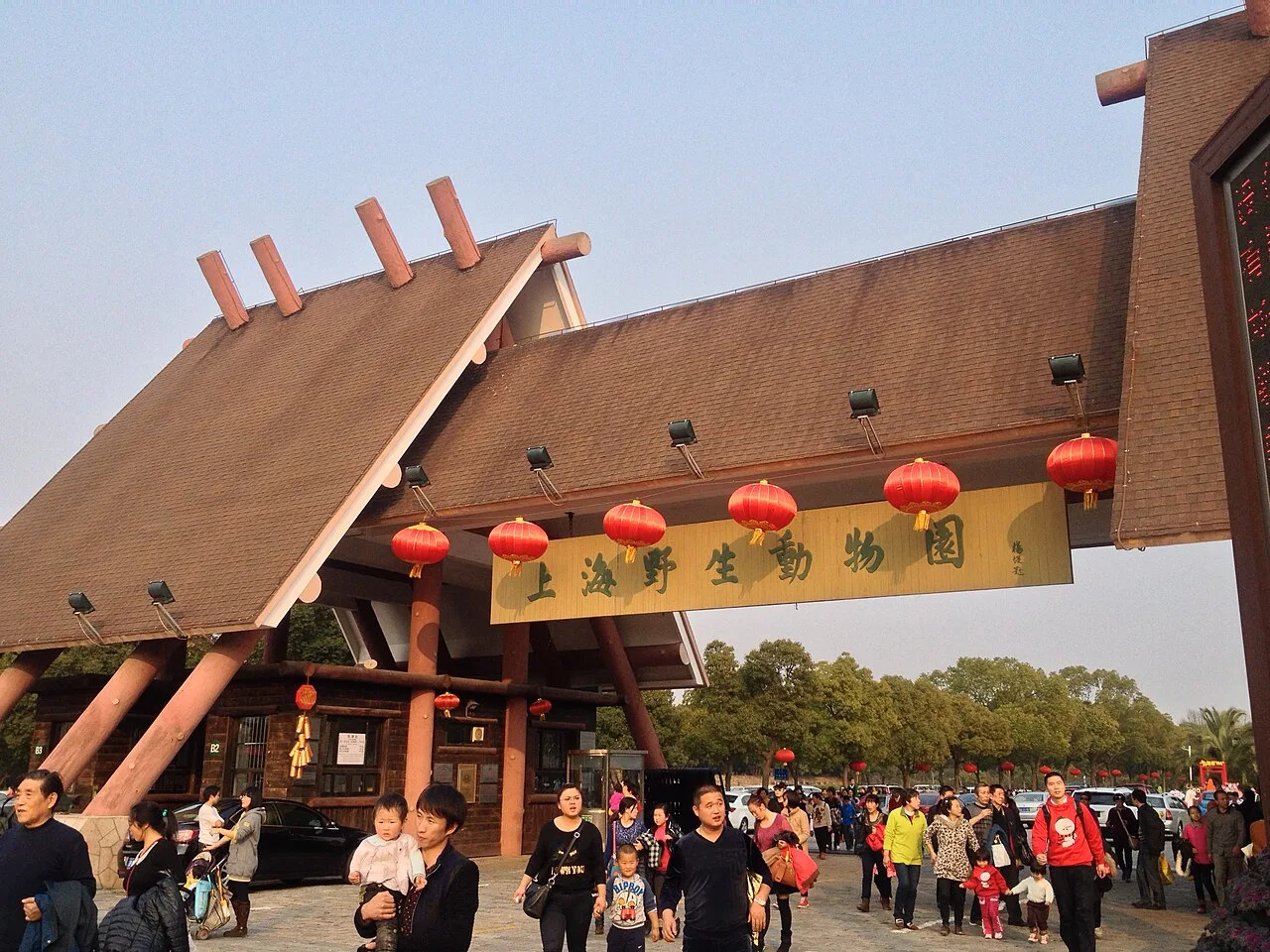
1. Location Overview: Shanghai Wild Animal Park is located at No. 178 Nanliu Highway, Pudong New Area, in Xuanqiao Town in the southeast of Shanghai, approximately 35 kilometers from the city center. Officially opened on November 18, 1995, the park covers about 153 hectares. It is among the first batch of National 5A-level tourist attractions and serves as a large-scale zoo integrating animal breeding, exhibition, protection, and science education, while also acting as a national base for wildlife conservation education. The park is divided into three main tour areas: the Drive-Through Area, the Walking Area, and the Water Exploration Area. The route is designed as a seamless loop, and a full visit typically takes more than half a day. Within the regional tourism landscape, it forms a “dual-core” family vacation destination in southeast Pudong alongside Shanghai Disneyland, making it the top choice for nature exploration and animal science for families in the Yangtze River Delta.
2. Cultural Context: As one of China’s earliest large-scale wildlife parks featuring free-roaming exhibits, Shanghai Wild Animal Park has been dedicated to the ex-situ conservation of rare and endangered species and public education since its inception. The park houses over 10,000 rare animals of more than 200 species, with the Giant Panda, Golden Snub-nosed Monkey, Crested Ibis, and Golden Takin regarded as the park’s “Four National Treasures.” Over the years, the park has achieved significant milestones in the breeding and research of South China Tigers, Golden Snub-nosed Monkeys, and Crested Ibises, including the successful birth of several giant panda cubs. The long-term commitment of the breeding, veterinary, and research teams allows visitors to see the tangible results of conservation efforts. The park also handles the daily rescue of wildlife and conducts science outreach; permanent science classrooms and zookeeper talks during holidays tell children the stories behind the exhibits. In an era of rapid urbanization where many children only see animals on screens, the park bridges this gap with real life, reflecting the transformation of modern zoos from mere displays to centers for protection and research, serving as a rare “natural oxygen bar” and living classroom in the city.
3. Highlights: One major highlight is the free-roaming display in the Drive-Through Area. Visitors take a free shuttle bus through the carnivore zone to observe Siberian tigers, African lions, bears, and wolves in their natural state. For a more interactive experience, paid feeding vehicles are available. Rather than simple enclosures, these are ecological zones designed based on animal habits, allowing prides of lions and tigers to establish social structures in near-natural ranges where humans and beasts do not disturb one another, showcasing a more wild state. The second highlight is the Walking Area and Water Exploration Area, where visitors can get close to birds, giraffes, elephants, and small animals. Boating through the water areas is a treat, with the Flamingo Area, Penguin House, and Kangaroo Park being popular stops. Feeding interactions with giraffes and elephants always draw queues, while the Small Animal Paradise deep in the walking area is where toddlers spend the most time. The third highlight consists of the “Four National Treasures” and celebrity animals, with the Giant Panda House, Golden Snub-nosed Monkey Island, Crested Ibis Pond, and Golden Takin area remaining perennial favorites. The fourth highlight is the performances at the International Circus Theater and the Hundred Beasts Mountain Theater. Sea lion shows and animal behavior demonstrations make learning fun, and combined with the park’s signage, guides, and interactive exhibits, the knowledge of biodiversity conservation is presented vividly, allowing children to see pandas munching bamboo and ibises dancing with their own eyes.
4. Visitor Information: Ticket Prices: Adult tickets are 165 RMB; students and seniors over 65 are 82.5 RMB; seniors aged 60 to 64 are 148.5 RMB. One adult can bring one child under 6 years old or under 1.3 meters for free. Tickets include the standard shuttle bus in the Drive-Through Area; interactive projects like feeding vehicles are charged separately. Opening Hours: Standard hours are 9:00–17:00; Summer Night Park (July to August and some holidays) is extended to 21:00; from December to January, hours are 9:00–16:30, subject to official announcements. The Drive-Through Area and Water Exploration usually start at 9:15, adjusted by season, and are extended during Night Park hours. Transportation: Take Metro Line 16 to Wildlife Park Station (Exit 2), then transfer to a shuttle bus or take a taxi. For those driving, navigate to No. 178 Nanliu Highway; the park provides Parking Lots 1 through 4. It is recommended to spend half a day to a full day. Queues for the Drive-Through Area can be long on weekends and holidays, so it is advised to arrive at opening and visit the Drive-Through Area first. The park offers an official App and mini-program for navigation, as well as luggage storage and accessibility services. Please check the official channels for daily performance schedules and operating hours.
5. Travel Tips: A recommended one-day itinerary: start with the free shuttle bus in the Drive-Through Area to see the carnivores, then walk through the Giant Panda House, Golden Snub-nosed Monkey Island, and the Water Exploration Area. Watch the International Circus in the afternoon and head back before evening. The best photo spots are the Drive-Through observation windows, pandas during feeding time, and the bow of the boat in the Water Exploration Area; photography enthusiasts should bring a telephoto lens. Most theater shows are concentrated in the morning and afternoon; it is suggested to confirm the schedule via the official App or the entrance board first and then plan the walking route backward to avoid rushing back and forth. Pay attention to explanations regarding animal habits, protection levels, and research achievements. The park is vast with significant distances between exhibits, so using the internal sightseeing electric carts can save energy; families with toddlers are strongly encouraged to plan their route at the entrance before starting. The park is suitable for families, educational study tours, and seniors: families must bring strollers and sunscreen, study tours can focus on species conservation, and seniors should avoid the midday heat. The night sessions add a different atmosphere: once the daytime noise fades, certain areas open under lights and evening breezes, and the animals’ behavioral rhythms change, offering a quiet charm. If visiting in summer, consider saving your trip for the night session. Due to high crowds during holidays and summer break, arriving early to beat the rush and booking tickets online is recommended; keep an eye on operational adjustments based on crowd flow.
6. Best Time to Visit: Spring and autumn are the best seasons as the weather is pleasant and animals are more active. Summer offers night sessions and water activities but is hot; in winter, some animals move indoors, though they are still viewable. The park can be paired with Shanghai Disneyland for a two-day Pudong vacation, or extended toward Lingang and Dishui Lake. While one is in Xuanqiao and the other in Chuansha, they are not far apart but have completely different vibes—one is about nature and life, the other about fairy tales and thrills. If time permits, it is recommended to spend one full day at each to avoid exhaustion; if you must choose one, families with toddlers may prefer animal interactions, while older children and teens may prefer the theme park rides. For local experiences, try the Shanghainese farmhouse cuisine and Pudong specialties around the park, and pick up some seasonal fruits from Xuanqiao on your way back.