Weifang · Mountains & Scenic Wonders
Zhushan Scenic Area
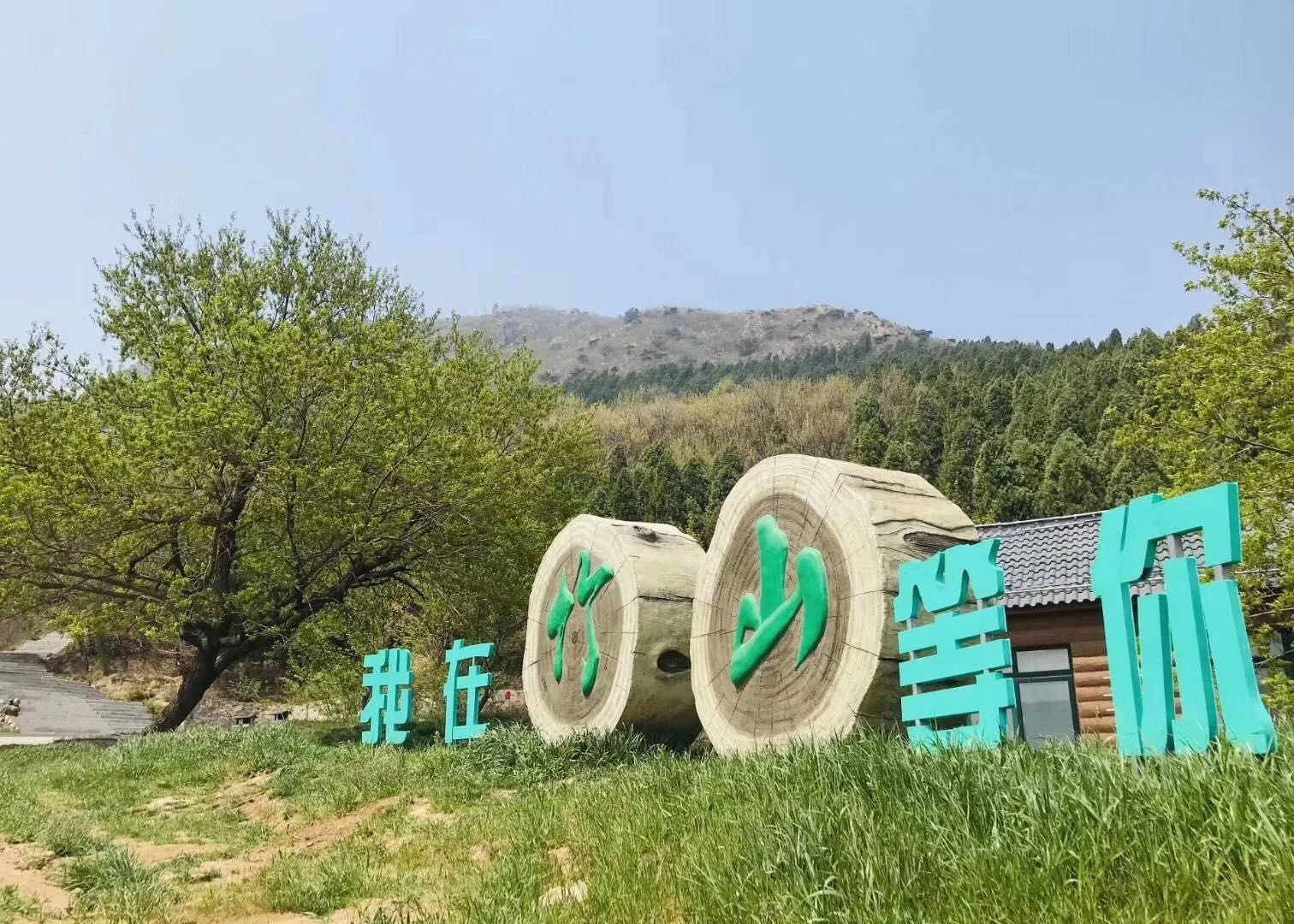
The first time I heard there was a “Zhushan” (Bamboo Mountain) in Weifang, I instinctively thought I had the wrong province. It wasn’t until I stood at the foot of the mountains southeast of Zhucheng that I realized there are no vast bamboo forests here; instead, I was greeted by a wall of black pines and hillsides blanketed in chestnut trees. With the morning mist still lingering, the air was thick with the scent of pine resin and earth; one deep breath left a refreshing chill in the chest.
1. Location Overview: The Zhushan Scenic Area is located in Linjia Village Town, Zhucheng City, Weifang, Shandong Province. Situated in the southeastern part of Zhucheng’s urban area, it is approximately 90 km from Qingdao and 80 km from Rizhao. The Zhushan Eco-Tourism Zone covers a total area of about 20 square kilometers. The scenic area centers around the main peak of Zhushan, which reaches an altitude of 402 meters and connects with Tuzhuling and Tianmen Mountain. This “Zhushan” refers to the Zhucheng Zhushan Eco-Valley (Zhushan Forest Park), a national 3A-rated tourist attraction. It has no relation to places with the same name, such as Zhushan County in Shiyan, Hubei; when navigating, please ensure you search for “Linjia Village Town, Zhucheng, Shandong Province.” The terrain consists of the low mountains and hills of Eastern Shandong, with a total forest area of 1,300 hectares and a coverage rate of over 97%. It is a rare expanse of primary and secondary forest on the western edge of the Jiaodong Peninsula and serves as a vital ecological barrier for southern Weifang. Within the town, the Juan River and several small reservoirs dot the landscape, creating a harmonious blend of mountains, water, forests, and fields. Every weekend, convoys of self-driving travelers from Qingdao, Weifang, and local Zhucheng residents stream in along the country roads, often filling the parking lot at the mountain entrance to capacity.
2. Cultural Heritage: The Zhushan area is rich with myths and legends. Ancient sites such as the Nun’s Convent (Nigu’an) and the Immortal’s Terrace (Shentiantai) are scattered throughout the woods. Legend has it that convents and temples were once built here, with incense burning brightly in years past. Names like “Bobo Stone” and “Digestion Divine Tea” reflect the simple, rustic imagination of the southeastern Shandong folk. Zhucheng is one of the legendary homelands of the culture of Emperor Shun; the Shun Pottery Workshop at the foot of the mountain combines pottery experiences with ancient legends, turning pottery making into more than just a craft. To the north of Qingyun Village in Linjia Village Town, there is an ancient ginkgo tree over 1,500 years old, standing beside the ruins of the Tang Dynasty Qingyun Temple—another key to understanding the cultural depth of this region. Historically, Zhushan was primarily used for forestry and orchards. With the implementation of the Zhushan Eco-Valley project, facilities for rafting, hot springs, study tours, and camping have been established. In 2023, it was added to the list of Shandong Province Eco-Tourism Zones, completing its transformation from a remote forest farm to a complex scenic area. The mountain legends have not vanished with development: guides always share tales of immortals playing chess when discussing the Immortal’s Terrace, and while only the ruins of the Nun’s Convent remain, they stand as a testament to the era of peak devotion. These oral traditions are what give Zhushan a character distinct from an ordinary forest park.
3. Highlights and Attractions: The most captivating feature is the forest itself. The black pine forest blocks out the sky, and the mountains host over 1,200 species of plants across 20 families, including more than 180 types of wild medicinal herbs and 335 species of animals from 75 families. The instantaneous concentration of negative oxygen ions can reach over 10,000 per cubic centimeter, making it a true “natural oxygen bar.” In summer, the most popular attraction is the 2,691-meter tunnel rafting—claimed to be the longest in Shandong—along with rainbow slides and go-karts. For families, there are non-powered playgrounds like Happy Paradise where children can burn off energy all day. The mountains also feature 4,000 mu of chestnut orchards and 1,000 mu of peach orchards, perfect for flower viewing in spring and picking in autumn. A roughly 20 km mountain loop road connects sites like the Nun’s Convent, Immortal’s Terrace, and Bobo Stone, making it ideal for driving or cycling. After a tiring day, visitors can soak in the hot springs at the foot of the mountain to relax. There is also the “Zhushan Express” miniature train, a forest RV camp, and starry-sky homestays; many families specifically arrange to stay overnight so children can ride the train through the forest and sleep in tents under the stars. The area has also specialized in study tours, frequently hosting student groups for courses on Shun culture, pottery, and nature education.
4. Travel Tips: Opening Hours: Generally open from 8:00 to 17:30, with ticket sales ending at 16:30. Certain activities like rafting have separate operating seasons; tunnel rafting typically runs from April to November. Please check official announcements for specific dates and time slots. Ticket Prices: Prices for entry, rafting, and hot springs are subject to official pricing. It is recommended to confirm current seasonal rates and discounts through official channels before traveling; avoid low-priced tickets from unofficial sources. Transportation: Public transport around the scenic area is limited, making self-driving the most convenient option. From Zhucheng city center, drive southeast toward Linjia Village Town and navigate to “Zhucheng Zhushan Eco-Valley.” Those coming from Qingdao or Rizhao can take the highway to Zhucheng and then follow local roads, paying attention to scenic area signage. Bus schedules are subject to local transport department updates. Mountain roads are winding; please slow down during rain or snow. Wear non-slip shoes for hiking and bring mosquito repellent and drinking water in summer. Parking is available at the entrance. Since most amusement activities are concentrated at the base of the mountain, you can separate hiking and playing into different schedules. Please bring a change of clothes for rafting and store valuables in lockers. Seniors and young children can opt for a leisurely tour along the loop road rather than forcing a climb to the peak. The forest paths are well-maintained and accessible for all ages, so you don’t need to be a professional hiker to enjoy the area.
5. Itinerary Suggestions: We recommend allocating half a day to a full day. A classic itinerary involves heading up the mountain in the morning via the loop road or hiking trails—first trekking through the black pine forest, then visiting Bobo Stone and the Immortal’s Terrace. For lunch, try Zhucheng BBQ or rustic chestnut dishes at a local farmhouse. In the afternoon, if rafting is in season, change into your gear for the tunnel experience; otherwise, visit the Shun Pottery Workshop to make a piece of pottery or stroll through the chestnut orchards. Families can add Happy Paradise and the rainbow slides to their afternoon, while energetic youth can challenge the go-kart track. Those staying overnight should try the hot springs and RV camp. For photographers, we recommend capturing the forest mist in the early morning and the orchards and sunset from the mountainside in the evening for the best light and layers. If time permits on the way back, take a detour to Qingyun Village in Linjia Village Town to see the 1,500-year-old ginkgo tree and the ruins of Qingyun Temple—it is most stunning in autumn when the leaves turn golden. If visiting in summer, schedule the rafting for the hottest part of the afternoon to beat the heat.
6. Best Time to Visit: Every season has its charm. In spring, mountain flowers and the thousand-mu peach orchard bloom in succession, making it ideal for outings and photos. Summer is when the forest is most lush and temperatures are a few degrees lower than in the city, marking the peak season for summer retreats and rafting. Autumn is the time for chestnut harvesting and colorful foliage. Winter, after a snowfall, offers a serene pine forest, perfect for hot spring wellness. Overall, the experience is most complete from May to October. Since rafting is only open in warm seasons, choose summer if you want to play in the water. For those who prefer hiking and fresh air without the crowds, spring and autumn offer the best value. By month: April is the peach blossom season, turning the hillsides pink; July and August are best for rafting with high water levels and dense shade; late September to October is the busiest time for chestnut picking; December to February focuses on hot springs and snow scenes. Always check the weather forecast—Zhushan is most beautiful with mist after rain, though the roads become slipperier. Additionally, autumn arrives slightly earlier here than in the city; the colors are most vivid in mid-to-late October.