Xi'an · Historical Sites
Gao Family Mansion
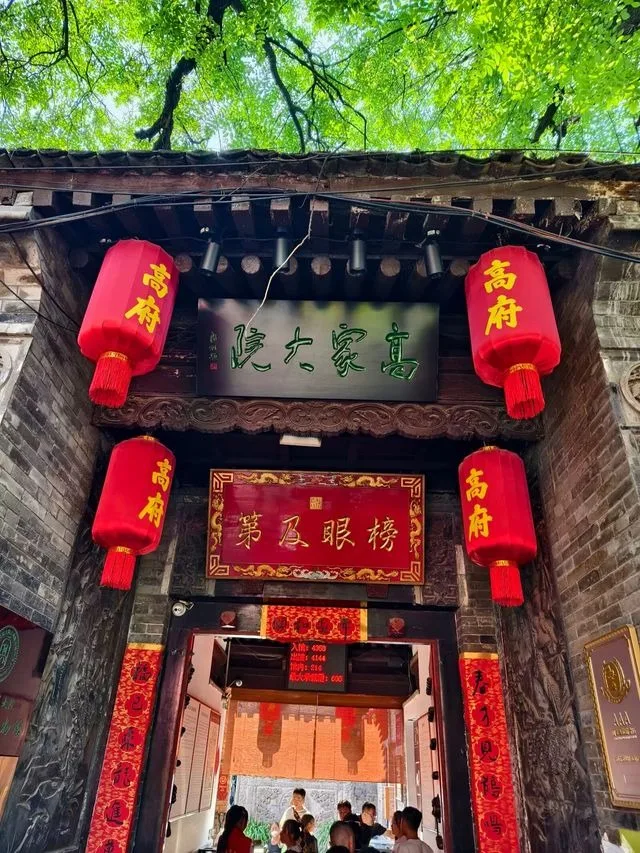
Turn away from the bustling crowds of the Muslim Quarter and enter No. 144 Beiyuanmen. As the wooden doors close behind you, the noise of the outside world suddenly fades. Past the grey-brick screen walls and carved gatehouses, you wander through a series of interconnected courtyards until you find yourself before a small stage for a shadow puppet show. As the master artist’s fingers dance, figures flicker in the lamplight, singing and acting out tales passed down through millennia. This is perhaps the most cost-effective “time travel” experience in the old city of Xi’an.
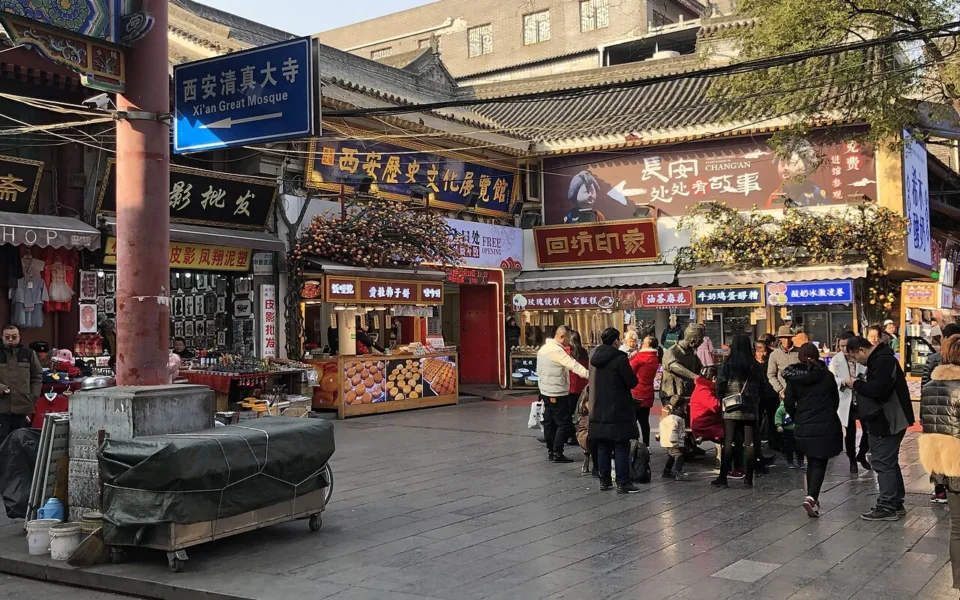
1. Location Overview: The Gao Family Mansion is located at No. 144 Beiyuanmen, Lianhu District, Xi’an, tucked deep within the heart of the Muslim Quarter (Huifang), just a few minutes’ walk north of the Drum Tower. Beiyuanmen is the main street of the Muslim Quarter, lined with endless snack shops. The entrance to the mansion blends in with the local storefronts and is easy to miss if you aren’t paying attention. However, once inside, you enter a completely different world: a sprawling complex of over 2,000 square meters with successive courtyards, front and rear halls, a study, and an embroidery tower. The mansion is part of the old city’s walking circuit, along with the Bell and Drum Towers and the Great Mosque of Huajue Lane. It is about a ten-minute walk from the Bell Tower, making it the most rewarding cultural stop to detour into during a food tour of the Muslim Quarter.
2. Cultural Context: The Gao Family Mansion was the residence of the Gao clan during the Qing Dynasty. Legend has it that the estate was first built during the transition from the Ming to the Qing Dynasty. During the Tongzhi period of the Qing Dynasty, the owner Gao Yuesong rose to the position of Provincial Administration Commissioner. As his power grew, the residence was expanded into a grand estate, making the “Gao Family Mansion” a household name in Xi’an and a representative example of official residential architecture in the Huifang area. According to cultural heritage records, the dates are more specific: construction began in the 14th year of Chongzhen (1641). Facing east and sitting to the west, it consists of three cross-courtyards spanning approximately 2,310 square meters. In the 10th year of Tongzhi (1871), Gao Yuesong placed second in the imperial examination (Bangyan); the plaque “Bangyan Jidi” (Success in the Imperial Exam) still hangs above the main gate today. Looking up at this plaque upon entry is like reading the family’s ancestral credentials. In 2008, the residence at No. 144 Beiyuanmen was listed as a cultural relic protection unit of Shaanxi Province. The current exhibition and performance layout was developed after the mansion was restored and opened to the public in 2003. The estate follows a typical Guanzhong siheyuan (quadrangle) layout. The “three carvings”—brick, wood, and stone—are prominently featured on the gatehouses, screen walls, and plinths. The couplets and family precepts in the halls preserve the dignity and discipline of a Qing Dynasty gentry family. Having survived numerous urban transformations, it remains one of the most complete Qing Dynasty residences in Xi’an. Today, the mansion is revitalized through intangible cultural heritage performances: shadow puppetry, Huayin Laoqiang (old melody), string puppets, folk paper-cutting, tea arts, and classical costume displays rotate daily, turning the old house into a living museum of folklore.
3. Highlights: First, the architecture. The brick carvings of figures and flowers on the gatehouses are detailed down to the eyelashes, and the intricate decorations on the screen walls combined with the layered courtyard layout offer a level of refinement rarely seen in Northern siheyuans. The antique furniture, old photographs, and daily utensils in the main and side rooms bring the daily life of a wealthy Qing Dynasty family to life. Then, there are the performances, which are the true soul of the mansion. Shadow puppet shows begin on the hour at the small stage, typically featuring a compact team with one person operating the puppets and another singing (often live performance with recorded accompaniment); each act lasts about ten minutes and is fast-paced. Huayin Laoqiang is the opposite extreme—accompanied by the moon-shaped lute (yueqin), clappers (bangzi), and the rhythmic striking of a wooden bench, the singing is raw and bold, often called the “Rock and Roll of the Yellow River.” Together, the delicacy of the shadow puppets and the boldness of the Laoqiang create a perfect balance of “soft” and “hard.” If your timing allows, do not miss either. The mansion also offers string puppet shows, paper-cutting experiences, and gaiwan tea, perfect for those who want to slow down. There is also a quiet corner often overlooked: a demonstration of Tibetan Thangka painting. Watching the artisans outline and fill colors on a small table—a process that takes several days—naturally makes visitors soften their footsteps. In a neighborhood filled with the loud energy of Qinqiang opera and street food, this pocket of silence is a destination in itself.
4. Visitor Information: Opening hours are 9:00 AM to 10:30 PM year-round, with last entry at 10:00 PM (hours may be extended on holidays; please check on-site). Ticket prices: Entrance fee is 15 RMB; half price for students and seniors; free for children under 1.2 meters and seniors over 65. Performances are charged separately. Common bundles include a combined ticket for entrance and shadow puppetry for 30 RMB. Other bundles including Huayin Laoqiang, puppet shows, or tea tasting are available; please check the ticket office for daily pricing. Performance Schedule: Shadow puppet shows run approximately every hour from 10:00 AM to 9:00 PM. Huayin Laoqiang has fewer sessions. Check the daily schedule at the ticket window upon entry to plan your route. Transportation: Take Metro Line 2 to Bell Tower Station and walk for about ten minutes; or take a bus to the Drum Tower stop for a shorter walk. As the mansion is located within a pedestrian street, cars cannot reach the entrance. Please do not use flash photography during performances.
5. Travel Tips: It is recommended to visit the Gao Family Mansion from the afternoon to early evening. First, lock in a shadow puppet show based on the hourly schedule and enter the small theater ten minutes early to secure a seat. After the show, take your time wandering through the courtyard, from the brick carvings of the front gate to the displays in the rear; an hour is plenty of time. If there is a Huayin Laoqiang session, prioritize it, as this raw style of singing is hard to find elsewhere. Leaving the mansion coincides perfectly with the dinner rush in the Muslim Quarter; enjoy some Paomo, Roujiamo, and Zenggao on your way back to the Drum Tower. For a half-day “Old City” itinerary: visit the Bell and Drum Towers in the morning for a panoramic view, hunt for food in the Muslim Quarter at noon, watch a show and drink tea at the Gao Family Mansion in the afternoon, visit the Great Mosque of Huajue Lane for ancient architecture in the evening, and walk back toward the Bell Tower via South Street to see the night views—all accessible by walking without backtracking. A tip for exploring the mansion: don’t rush deep inside immediately. Stop for a few minutes at the gatehouse and screen wall to admire the brick carvings, then move inward along the central axis, saving the stage for last. Since shadow puppets start on the hour, a 30-40 minute tour of the house perfectly times you for the next show. If visiting with elderly family members, arrange for tea seating opposite the stage so they can watch the full performance before exiting; a right turn upon leaving leads directly to the snack stalls of the Muslim Quarter. Budget-conscious students can stick to the entrance and shadow puppet combo ticket. For photography, the brick carvings on the gatehouse and the “Bangyan Jidi” plaque are the two most worthwhile details. In the early morning, the light slants into the courtyard, making the layers of the carvings most distinct and allowing you to avoid the tour groups.
6. Best Time to Visit: As an indoor courtyard attraction, the Gao Family Mansion is largely unaffected by weather and seasons, making it suitable for year-round visits. In summer afternoons, the courtyard provides ample shade, offering a perfect escape from the scorching sun and crowds of the Muslim Quarter; sipping gaiwan tea while watching a show is a great way to beat the heat. In winter nights, the lanterns are lit, enhancing the atmospheric feel of the old residence, giving the late-night shadow puppet shows a unique charm. Spring and autumn are the most comfortable seasons for the old city; you can pair the mansion with a bike ride on the City Wall or a visit to the Beilin Museum on the same day. During public holidays, the Muslim Quarter becomes extremely crowded and queues may form at the entrance; try to visit right at opening or during the early dinner hour for a more serene experience.