Chengdu · Ancient Towns & Old Streets
Jinli Ancient Street
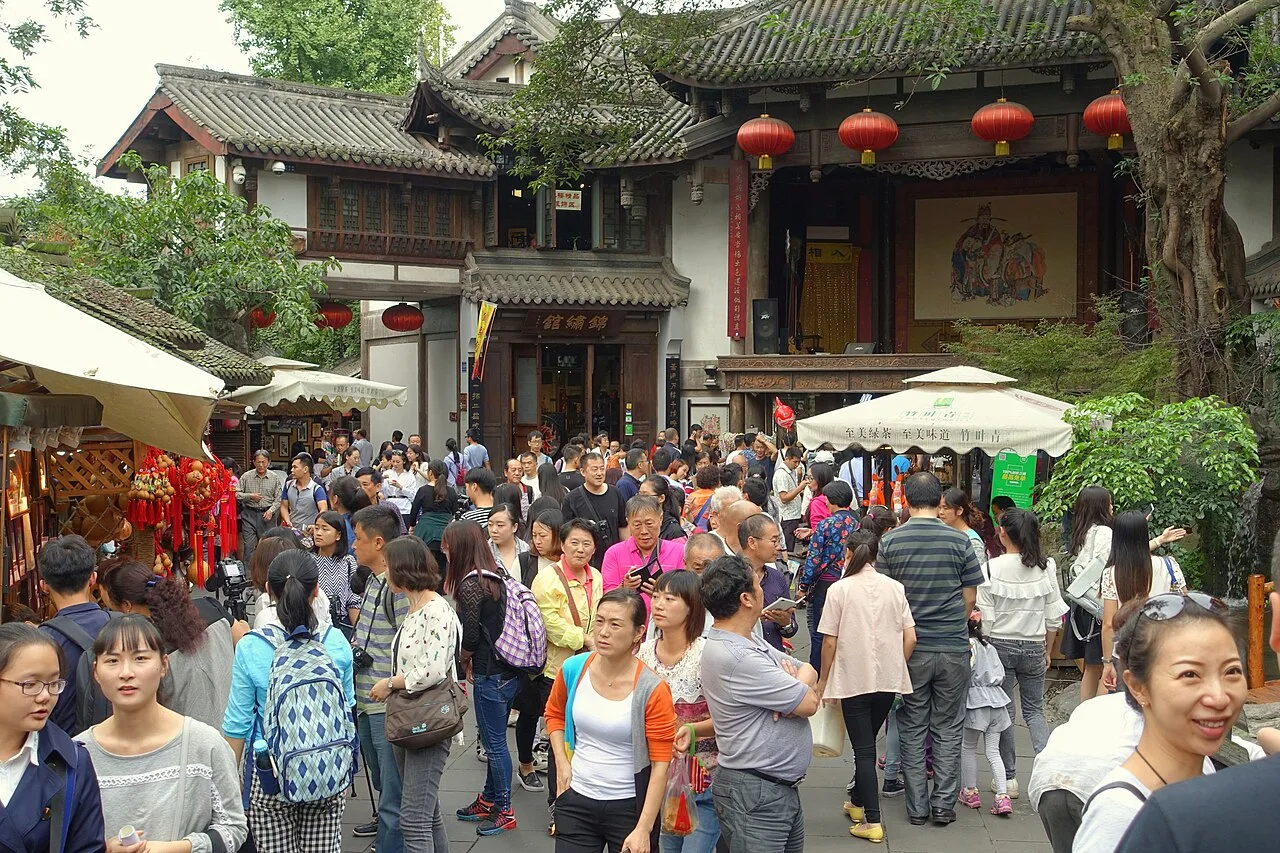
Jinli is the “nightlife calling card” of Chengdu. As evening falls, red lanterns light up one by one, and crowds weave through the blue stone paved streets. The Sichuan Opera face-changing performances in teahouses, the spicy aromas from snack stalls, and the cheers echoing before the stages bring the concept of “Leisurely Chengdu” to life. A classic day in Chengdu consists of visiting the Wuhou Shrine by day and exploring Jinli by night.
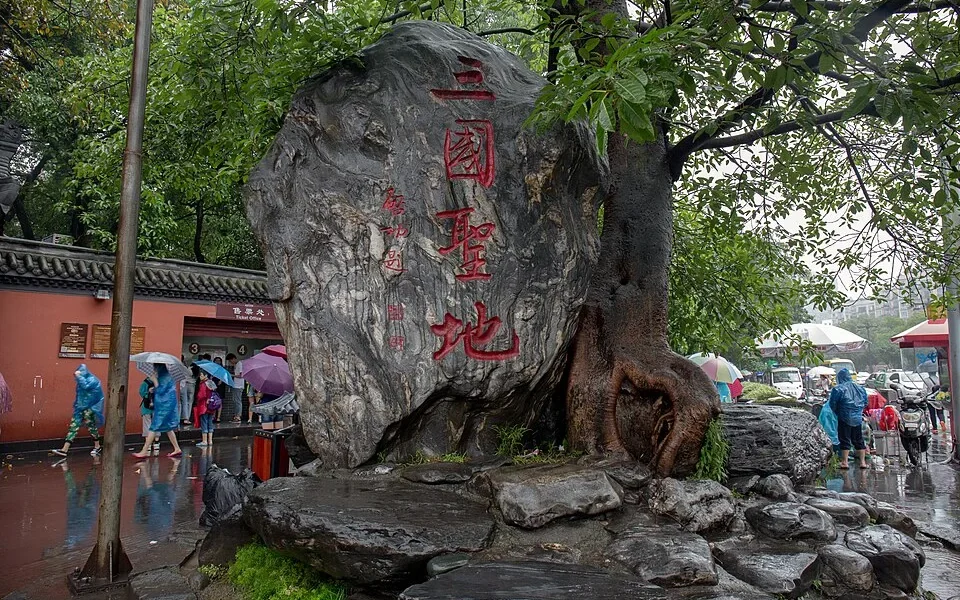
1. Location Overview: Jinli Ancient Street is located at No. 231-1, Wuhou Shrine Street, Wuhou District, Chengdu, Sichuan Province. Situated directly against the west wall of the Chengdu Wuhou Shrine Museum, the street stretches approximately 550 meters and is a vital part of the Wuhou Shrine cultural leisure area. Its name originates from the ancient “City of Brocade” (Jin Guan Cheng). As early as the Eastern Jin dynasty, the *Huayang Guo Zhi* recorded that “brocade workers washed their silks in the river, making the water vivid while other rivers remained dull,” giving the area its name. Today, Jinli is seen as a living continuation of the memory of Chengdu’s “mother city.” Located in the southwest of Chengdu’s main city on the south bank of the Jinjiang River, it is about 3 km from Tianfu Square. It complements the Shuadu area and the Wuhou Shrine West District (formerly Nanjiao Park), serving as a hub for cultural tourism in western Chengdu. Within the city’s landscape, Jinli—with its free admission, Western Sichuan residential architecture, and vibrant local atmosphere—stands alongside Kuanzhai Alley and Qintai Road as a landmark for experiencing “Old Chengdu” and serves as the primary window through which overseas tourists get to know the city. From the first morning calls of the “Three Cannon” snack vendors to the extinguishing of the last red lantern at midnight, Jinli is a microcosm of Chengdu, capturing both the lens of the tourist and the warmth of the old city.
2. Cultural Context: Jinli’s cultural roots run deep. In ancient times, the City of Brocade was the site of the Shu Han government office for silk weaving; the brocade washed in the Jinjiang River was renowned for its brilliant colors, and the imperial court appointed officials to manage the industry, leading to Chengdu’s aliases “Brocade City” and “City of Brocade Officials.” Since the Shu Han period, the Wuhou Shrine area has been a scenic landmark of the south city, and since the Tang and Song dynasties, trade flourished along the Jinjiang River, filled with the sounds of washing silk, selling wine, storytelling, and Sichuan Opera. However, the Jinli visitors walk today is not an ancient street preserved from antiquity; it was reconstructed using funds raised by the Chengdu Wuhou Shrine Museum. Located on the site of the former Caoyingba, it was rebuilt based on the residential styles of Western Sichuan from the late Qing Dynasty to the early Republic of China. The first phase opened in October 2004, and the second phase (Waterside Jinli) opened in January 2009, aiming to recreate the market texture of Old Chengdu. In 2005, Jinli was named one of the “Top Ten Urban Commercial Pedestrian Streets in China”; in 2006, it was designated a “National Cultural Industry Demonstration Base” by the Ministry of Culture; and in 2022, it was selected for the first batch of National Tourism and Leisure Streets. While the name is ancient, the streetscape is new. This approach—using ancient spirit as the soul and modern utility as the body—is how Chengdu honors tradition: not by locking history in glass cases, but by letting it breathe within the marketplace.
3. Highlights: The charm of Jinli lies in the tangible variety of Bashu life. First is the architecture: blue stone paths, wooden buildings with grey tiles, and high-hanging red lanterns. The “Nine-Grade Snack Street” and various alleys connect to form what is called the “Chengdu version of *Along the River During the Qingming Festival*,” with every lintel and carved window exuding the flavor of Western Sichuan. Second is the gathering of famous snacks: San Da Pao (Three Cannons), buckwheat noodles, beef tofu pudding, San He Ni, sugar-coated glutinous rice balls, oil tea, beef crispy cakes, and Bobo Chicken are all lined up, aromatic and affordable. Third are the intangible cultural heritages and time-honored brands: Shu embroidery, bamboo weaving, lacquerware, silver filigree, ear cleaning, sugar painting, and dough sculpting are visible along the street. Artisans demonstrate their skills and sell their creations on the spot, and tourists can even try ear cleaning and sugar painting themselves. Fourth are the folk performances: after dark, Sichuan Opera face-changing, rolling lamps, and long-spout teapot tea art take turns on stage. In the teahouses, Gaiwan tea blends with “Longmenzhen” (local chatting), creating the most authentic sounds of Chengdu. Fifth are the Three Kingdoms elements: themed scenes of Zhuge Liang and Guan Yu echo the heritage of the Wuhou Shrine, turning a stroll into a history lesson. Sixth is the festive atmosphere: seasonal events such as the Lantern Festival, Dragon Boat Festival sachets, and Mid-Autumn moon-worshipping take place regularly. At the end of the street, the Jinli Cultural Square often hosts folk artists performing clappers, cross-talk, and folk music, transforming a commercial street into a living museum of Chengdu folklore.
4. Travel Tips: Jinli is a free public area and does not require a ticket. During major events like the Chengdu Temple Fair, some areas may temporarily require reservations or tickets; please refer to official announcements. The street is open all day. The night lights typically turn on around 19:00 in summer and 18:00 in winter (adjusted for weather). Shops generally operate from 9:00 to 22:00, while bars stay open later. Transport: Take Metro Line 10 to Wuhou Shrine (Jinli) Station, exit A2, and walk for about 3 minutes. Alternatively, take Metro Line 3 or 5 to Gaoshengqiao Station, exit A, and walk for about 10 minutes. Bus lines 1, 57, 82, 334, and 335 also stop at Wuhou Shrine. For those driving, navigate to the Wuhou Shrine area and use the Nanjiao underground parking lot or other nearby lots; however, parking is tight during holidays, so the metro is recommended. Luggage storage is available at the Wuhou Shrine Museum Visitor Center (about 50 meters to the right of the main Jinli exit). A visit of 2 to 3 hours is recommended, ideally combined with a half-day itinerary including the Wuhou Shrine. Spending is flexible; most snacks cost between a few yuan and twenty-some yuan. During peak holiday periods, one-way traffic and flow control may be implemented; please follow on-site guidance and keep a close eye on children and the elderly. Drinking water stations and restrooms are located throughout the street. For a quieter experience, turn into the alleys on the west side, where tea houses and bookstores are more serene.
5. Visiting Strategy: Recommended route: enter through the main gate, taste treats at Nine-Grade Snack Street, explore intangible heritage in the Folk Crafts Alley, listen to storytelling and watch face-changing in a teahouse, take photos at the Three Kingdoms themed scenes, and exit through the west gate after a night stroll under the red lanterns. The best photo spots are the main entrance archway, the red lantern corridors, and the reflections in the water. The atmosphere is best after the lights come on, and rainy days offer a unique charm with red lanterns reflecting on the blue stones. Key points for guides include the history of the City of Brocade, the construction of Western Sichuan residences, and the interesting stories behind the making of San Da Pao. Families with children are encouraged to snack and experience sugar painting and ear cleaning; study groups should focus on intangible skills and Three Kingdoms folklore; senior tourists can relax in a teahouse and enjoy a piece of Sichuan Opera. It is advisable to avoid the afternoon peak during holidays; early mornings or weekday evenings are more leisurely. The street is free, and spending is optional; try small portions from many different stalls to experience the variety without getting too full. Beyond photography, try sitting down for a Sichuan Opera act or a bowl of Gaiwan tea—Chengdu’s “slow life” is not a facade, but a way of living. Many local Chengdu residents also come here to meet friends, sharing the same space with tourists. This shared “earthly fire” (yanhuoqi) is the most precious sincerity of Jinli.
6. Best Time to Visit: Jinli is suitable for all four seasons: cool summer nights and warm winter lights. During the Spring Festival’s Chengdu Temple Fair, the lantern displays are at their peak, the festive atmosphere is intense, and dragon/lion dances and Sichuan Opera parades turn the ancient street into an ocean of joy. Since it is separated from the Wuhou Shrine by only a wall, the two can be combined into a half-day Three Kingdoms culture tour. This can be expanded into a full “Old Chengdu” day trip by adding the Du Fu Thatched Cottage, Qingyang Palace, Kuanzhai Alley, and People’s Park, moving seamlessly from heroic spirit to leisurely grace. The nearby Shuadu food area and Jinjiang night cruises are also great additions; Shuadu is a hub for hotpot and bars for continuing the nightlife, while the Jinjiang riverside path leads east via Hejiang Pavilion and Anshun Bridge to Jiuyan Bridge for a different side of Chengdu’s night. Local delicacies beyond the street snacks include Zhong Dumplings, Long Chaoshou (wontons), and Lai Tangyuan (glutinous rice balls). Recommended souvenirs include Shu embroidery scarves, lacquerware ornaments, Sichuan Opera masks, Pixian broad bean paste, and handmade bamboo weaving. A cup of Gaiwan tea, a scene from a Sichuan Opera, and a long alley of red lanterns—this is the essence of Chengdu’s slow life and is worth a half-day stay. Linking the solemnity of Wuhou Shrine, the bustle of Jinli, and the vibrancy of Jiuyan Bridge is the key to understanding the balanced character of Chengdu.