Weifang · Mountains & Scenic Wonders
Changshan Cultural Scenic Area
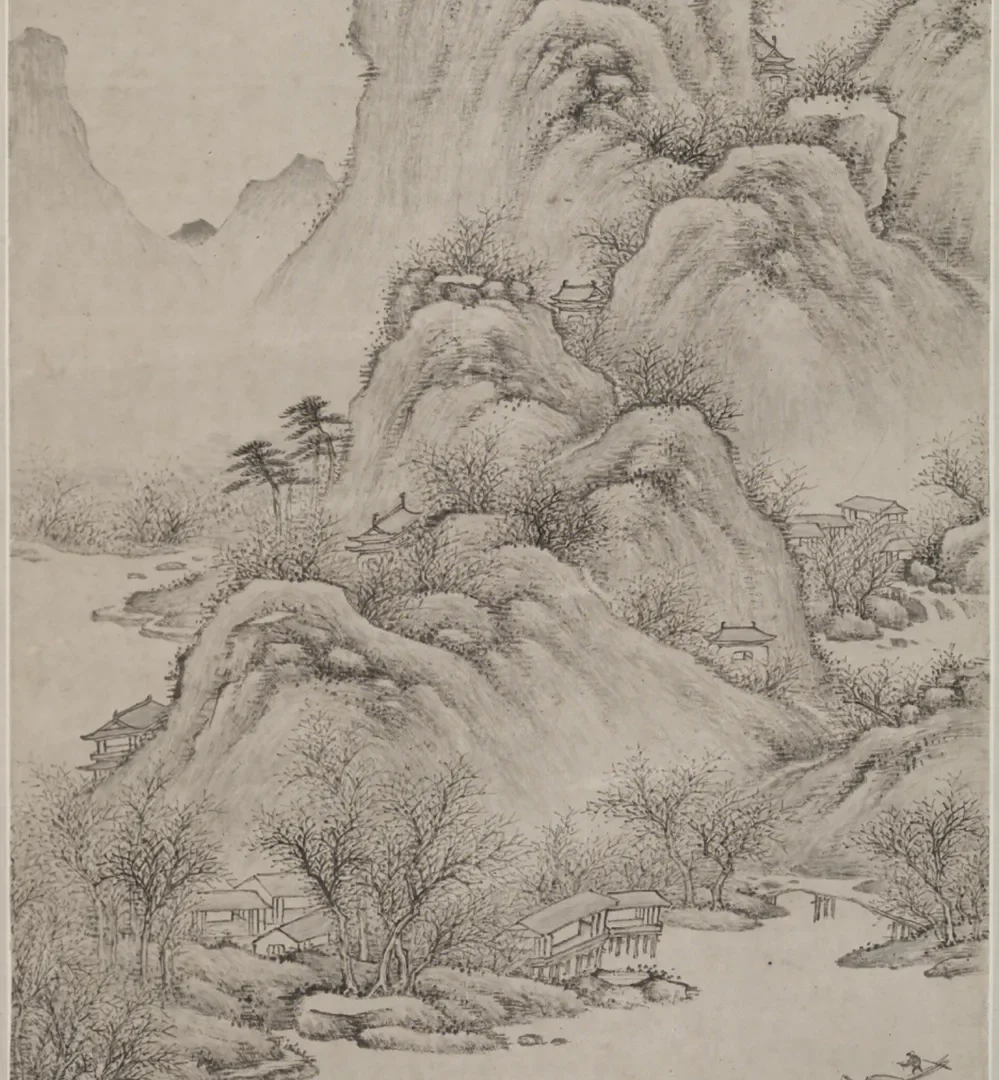
Just ten kilometers south of downtown Zhucheng, a mountain suddenly rises from the plains. Changshan is not tall—reaching an elevation of only 297 meters—but it is the mountain that lives in the hearts of the people of Zhucheng. In the early morning, I walked slowly up the northern slope, first passing through the red walls and ancient cypresses of Wanfo Temple, then ascending to Bixia Palace at the summit. Below me lay the Sanlizhuang Reservoir and an endless expanse of countryside. During a great drought in the Northern Song Dynasty, Su Shi climbed this mountain six times to pray for rain. Nearly a thousand years have passed; the mountain remains the same, though the climbers have changed generation after generation.
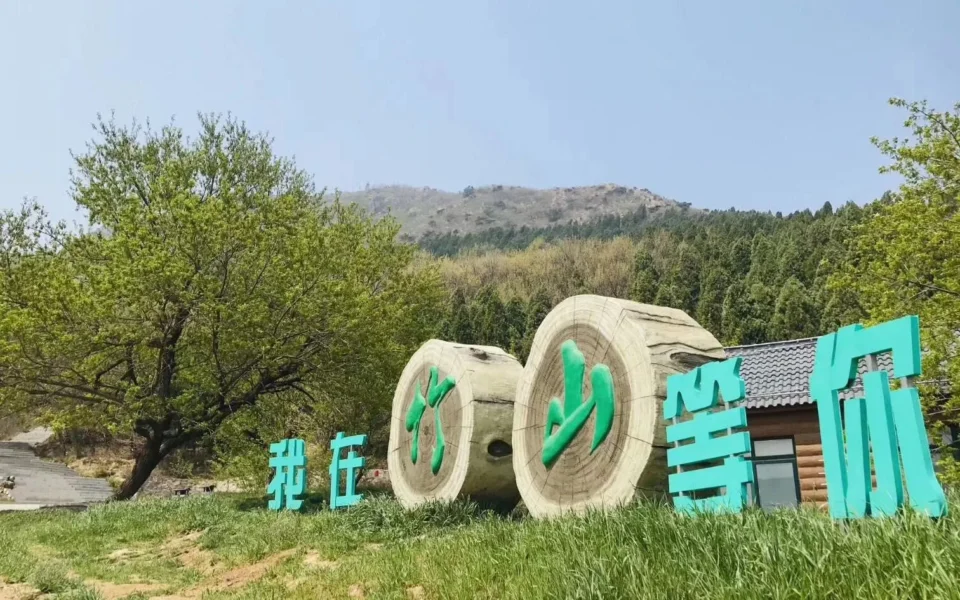
1. Location Overview: The Changshan Cultural Scenic Area is located in the western part of Huanghua Town, Zhucheng, Weifang, approximately ten kilometers south of downtown Zhucheng, with the mountain itself as its core. Originally named Wohu Mountain (Crouching Tiger Mountain) because its silhouette resembles a crouching tiger, it stands 297 meters high and covers an area of about five square kilometers, running in a southwest-to-northeast direction. It rises solitary from a plain of gentle rolling hills; the terrain is mild and non-threatening, with a wide, flat summit consisting of several connected peaks. The southern slope is characterized by cliffs and steep walls, the eastern and western slopes are relatively flat, and the northern slope is the gentlest, making it the historical hub for famous scenic spots and relics. Driving south from the city through rural fields, one can see the tiger-like silhouette of the mountain stretching across the horizon from afar. As the closest mountain to downtown Zhucheng, it is the go-to destination for locals seeking a weekend hike. Today, Wanfo Temple and the Changshan Cultural Museum are located at the northern foot of the mountain, connecting with the Sanlizhuang Reservoir to form a seamless landscape of mountains, water, temples, and gardens. It should be noted that in the Shandong Provincial Department of Culture and Tourism’s A-level scenic area list, the National 4A rating is registered under the “Zhucheng Changshan Cultural Museum,” while the “Changshan Cultural Scenic Area” referred to by tourists encompasses the entire mountain and the museum area at the northern foot.
2. Cultural Context: The name “Changshan” (Constant Mountain) stems from ancient prayers for rain. In ancient times, shrines were built on the mountain where locals would pray during droughts. Legend says that “prayers were always answered due to its constant virtue,” hence the name Changshan. During the Xining era of the Northern Song Dynasty, Su Shi served as the Prefect of Mizhou (modern-day Zhucheng). Facing a severe drought during his tenure, he led his subordinates up Changshan six times to offer sacrifices and pray for rain. He also hunted in the surrounding area, composing the famous poem *Jiang Cheng Zi: Hunting in Mizhou*, featuring the line: “This old man suddenly feels the madness of youth, leading a yellow dog on the left and holding a hawk on the right.” Su Shi’s heroic spirit has since become inextricably linked to this small mountain. Later generations climb Changshan not only to recall the efficacy of the shrines but also to honor Su Shi’s devotion to the people. Numerous legends regarding his footsteps circulate among the peaks, making this the most captivating narrative of the mountain. Bixia Palace at the summit continues the tradition of mountain worship, while the incense of Wanfo Temple at the northern foot adds a Buddhist dimension. In the modern era, a private collector established the Changshan Folk Art Collection Museum at the northern foot, housing generations of artwork. Thus, a mountain once dedicated to rain has layered its history with shrines, poetry, temples, and art collections.
3. Highlights: The first thing to do at Changshan is to hike. The northern slope trail is gentle and easy to navigate; you don’t need to prepare for a grueling climb, as the summit is reachable within half an hour. The top is flat and open, with Bixia Palace standing at the peak. Leaning against the railings, you can see the fields and villages of Zhucheng to the north and the clear blue waters of the Sanlizhuang Reservoir to the south. The most moving part of a small plain mountain is this sudden sense of openness upon reaching the top. The second highlight is visiting the temples. Wanfo Temple at the northern foot is a registered Buddhist temple. Its Mountain Gate, Heavenly King Hall, Maitreya Hall, Daxiong Baodian (Grand Hall), and Sutra Library are arranged along a central axis. Dozens of Ming and Qing dynasty style buildings are nestled among green trees, and a 21.9-meter-tall open-air forged copper Guanyin statue stands in the woods. The red walls and glazed tiles complement the mountain colors, making this the most photogenic spot of the entire area. Along the hike, pavilions and corridors provide places to rest. A viewing pagoda stands on one side of the museum area; it is a good idea to climb the pagoda for a panoramic view of the northern foot before heading up the mountain. The third highlight is the natural scenery: blossoms in spring, deep shade in summer, golden harvests in the valley during autumn, and colorful foliage along the trails. For those interested in art, the museum exhibition area is worth a visit, featuring Buddhist sculptures and other collections from various eras, serving as a perfect coda to the hike.
4. Visitor Information: Opening Hours: The scenic area is generally open from 8:00 to 17:00. Opening times for individual exhibition halls within the museum may vary; please refer to the daily announcements at the site. It is recommended to reserve two to three hours to leisurely complete the hike and temple visit. Ticket Prices: Both the scenic area and the museum are free to the public, which makes it a highly attractive suburban getaway. Some specific themed exhibitions or experience activities may charge a fee; please check on-site. For ticket inquiries, call 0536-6213175. It is safest to call before your trip to confirm the opening status of the exhibition halls. Transportation: Driving is the most convenient option. Set your navigation to “Changshan Cultural Museum” or “Wanfo Temple.” Head south for about ten kilometers along Changshan Avenue from downtown Zhucheng; parking is available at the base of the mountain. For public transport, take a rural bus toward Huanghua Town and get off near Changshan, then walk up the mountain. However, buses are limited; please check local transport schedules. If you are on a tight schedule, a taxi from the city is more reliable. As there are many steps, non-slip, comfortable shoes are recommended.
5. Travel Tips: We recommend a half-day main route: Enter through the northern museum gate, walk slowly up the central axis of Wanfo Temple to see the gates, halls, and Guanyin statue, then take the hiking trail to Bixia Palace at the summit. From the top, take in the full view of the reservoir, the fields, and the southern plains of Zhucheng before descending the same way. If you have extra time, visit the museum’s exhibition area to see the Buddhist sculptures. If you are visiting for the stories of Su Shi, linger a while on the mountainside: the events of the rain prayers and the hunt took place on these slopes. Standing on the trail and looking out over the plain is the best way to appreciate the spirit of “drawing the bow like a full moon.” There are three best photo spots: the red walls of Wanfo Temple framed with the mountain, a top-down view of Sanlizhuang Reservoir, and the ribbons of autumn colors in the fields along the trails. The light is softest in the early morning and evening. Families with children can take the hike slowly and add the green picking experience area at the base of the mountain to the end of their trip. Travelers with limited stamina can simply visit the northern temples and museum without climbing to the summit. If you have a full day, spend the morning at Changshan and the afternoon at the Zhucheng Dinosaur Museum and Chaoran Terrace, connecting Zhucheng’s nature, culture, and dinosaur themes in one trip. Avoid hiking at noon in summer, and dress warmly in winter as the mountain winds can be strong.
6. Best Time to Visit: Changshan can be visited in all four seasons, but spring and autumn offer the best experiences. In March and April, mountain flowers bloom and the trails are lined with fresh greens and yellows. In September and October, the air is crisp, the fields below are golden, and the visibility from the summit is at its peak for the year. Summer visits are best in the early morning when the forests are cool and the dew is still fresh—a favorite time for locals to exercise. Visiting just after the rain is most atmospheric, as mist floats between the hills, echoing the old stories of the “Mountain of Rain Prayer.” Winter sees fewer tourists, making the temples and trails quiet and ideal for those seeking solitude. If you visit after a snowfall, the white snow on red walls creates a stark, ethereal scene that photographers love. Around the Double Ninth Festival, locals have a tradition of climbing Changshan to gaze into the distance, and the trails become very crowded; those seeking peace should avoid these dates. Before leaving, don’t rush away—Zhucheng’s roasted chicken wings, roast pork, and spicy shredded pork (la sizi) are local favorites. Find a small eatery and swap the mountain’s freshness for the warmth of city life to make your trip to Changshan truly complete.