Wuxi · Gardens & Ancient Architecture
Brahma Palace
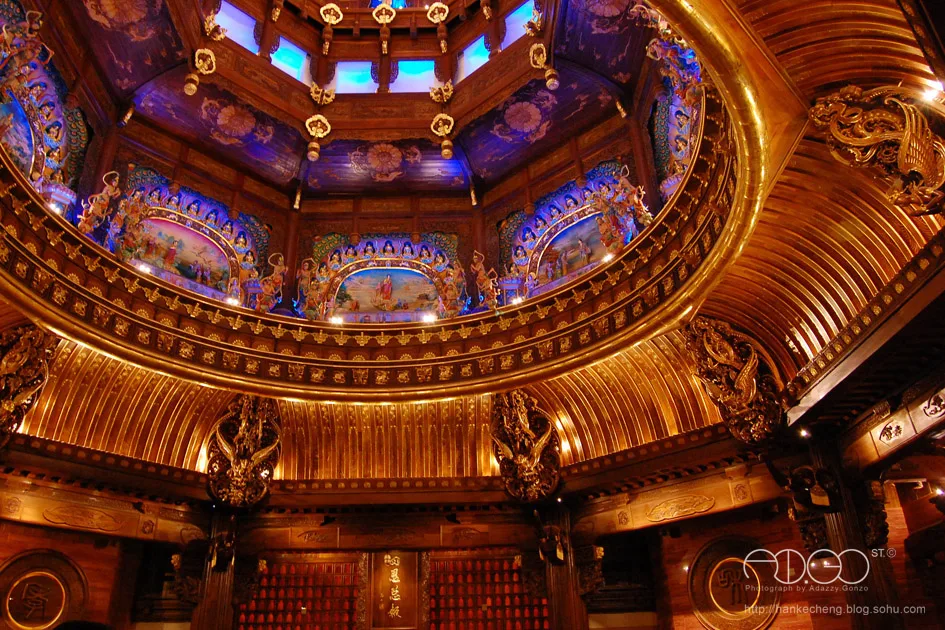
Brahma Palace is the “contemporary temple of Buddhist art” within the Lingshan Scenic Area. With its magnificent gilded domes, intricately carved murals, and shimmering altars, it represents the pinnacle of Buddhist artistic expression. The “Hymn of Auspiciousness” performance is particularly striking, blending light, sound, and sacred chants into a solemn atmosphere that gives you goosebumps. I’ve always felt that while photos can capture its golden brilliance, they cannot convey that singular moment of being enveloped by the soundscape as you step into the sanctuary.
1. Location Overview:Brahma Palace is located within the Lingshan Scenic Area in Mashan Town, Binhu District, Wuxi, situated to the east of the Lingshan Grand Buddha. Covering an area of approximately 72,000 square meters with a total investment of about 800 million yuan, it is the landmark architecture of the Lingshan Scenic Area. The building measures 150 meters in width and 180 meters in depth, featuring a terraced layout that is symmetrical along the east-west axis and centered on the north-south axis. Five golden lotus towers on the roof are arranged according to the “Five Dhyani Buddhas” pattern. The interior consists of a foyer, a corridor hall, a tower hall, and a sanctuary, with the tower hall’s dome reaching nearly 60 meters in height. Within the regional cultural tourism landscape, Brahma Palace—together with the Lingshan Grand Buddha, the Five Seals Altar (Wuyin Tancheng), and the Nine Dragons Bathing—forms the core of the Lingshan pilgrimage and art journey. It is the most contemporary Buddhist art landmark along the shores of Lake Taihu and a “golden business card” for Wuxi tourism. The sheer scale of the architecture is a narrative in itself; such volume is extremely rare in Jiangnan architecture. While the exterior uses stone and gold domes to convey solemnity, the interior unfolds in layers of wood, lacquer, porcelain, and colored glaze. By introducing contemporary spatial language into a traditional temple layout, the designers achieved a coexistence of the grand and the minute—a palace-like mass from afar, yet carvings measured in millimeters up close. Visitors are often first awestruck by the scale, then captivated by the details, naturally slowing their pace as they explore.
2. Cultural Context:The construction of Brahma Palace was directly linked to the 2nd World Buddhist Forum. Construction began in September 2006, was completed in August 2008, and opened for a soft launch in November of that year, officially opening to the public on January 1, 2009. It served as the main venue for the 2nd World Buddhist Forum and is since designated as the permanent site of the forum. Its name, inspired by the “Pure Palace of Brahma,” symbolizes the solemnity of the Buddhist Pure Land. The architecture integrates contemporary construction techniques with traditional craftsmanship, inviting top Chinese arts and crafts masters to contribute. It blends Dongyang wood carving, Dunhuang-style murals, Yangzhou lacquerware, Jingdezhen ceramics, cloisonné, colored glaze, and Ou plastics into a single entity, making Brahma Palace both a place of worship and a living museum of Buddhist art. On November 8, 2016, the palace suffered fire damage; over 2,000 artisans spent a year on restoration, leading to its reopening on November 15, 2017. A new dynamic landscape, the “Earth-Emerging Treasure Pagoda,” was added, which, along with the “Hymn of Auspiciousness,” constitutes the two dynamic highlights of the palace—an experience that makes its brilliance feel all the more precious.
3. Highlights:The first highlight is the tower hall dome. Beneath the nearly 60-meter-high ceiling hangs a giant lotus lamp; as the lights shift, it feels as if one has entered a sacred realm, serving as the most visually stunning center of the palace. The second highlight is the collection of craftsmanship. The corridor hall and sanctuary are adorned with Dongyang wood carvings, Dunhuang murals, Yangzhou lacquerware, colored glaze, and Ou plastics. The murals use mineral pigments layered in a way that mimics the vibrancy of Dunhuang, and the wood carvings—from the beams to the floral screens—are the work of Dongyang masters, making the visit akin to a Buddhist art expo where every detail invites contemplation. The third highlight is the “Hymn of Auspiciousness” situational performance, which uses light, sound, and electricity in the sanctuary to depict Shakyamuni’s journey to enlightenment. Combined with the new “Earth-Emerging Treasure Pagoda,” it offers an immersive experience where art and faith converge. The fourth highlight consists of the Treasure Hall and the permanent exhibitions in the corridor, which clearly explain the material lineage of Buddhist art: from the carving schools of woodwork to the coloring origins of murals and the firing processes of colored glaze. Behind the exhibits is the heritage of various artisan guilds, providing an aesthetic lesson that requires no professional background. Many visitors find themselves lingering here the longest, proving that the content itself is a destination. Additionally, viewing the Grand Buddha and the Altar from the palace creates a grand axis of worship, where every step reveals a new, reverent vista.
4. Travel Tips:Brahma Palace does not sell separate tickets; entry is included in the Lingshan Scenic Area ticket. Starting February 2026, Lingshan Scenic Area tickets will be adjusted to 160 yuan for adults (on-site), 150 yuan (purchased online in advance), and 80 yuan for concession tickets; complimentary and discounted entries are subject to scenic area regulations with valid ID. The “Hymn of Auspiciousness” is currently undergoing upgrades; please refer to the daily announcements at the scenic area for performance schedules. Opening Hours: Lingshan Scenic Area operates from 7:00 to 17:30 during summer (May 1 to Oct 31) and 7:00 to 17:00 during winter (Nov 1 to Apr 30). Brahma Palace is open 9:00 to 18:00 in summer and 9:00 to 17:30 in winter. Transportation: Take city buses 88 (Fast 88), 89, or Leyou Line 2 to the Lingshan Scenic Area stop. After entering the park, walk or take the shuttle bus (40 yuan for unlimited rides per day) to Brahma Palace. From Shuofang Airport, take Metro Line 3 and transfer to a bus. For self-driving, navigate to “Lingshan Scenic Area Parking Lot”; fees are 15 yuan/trip for cars, 20 yuan/trip for large vehicles, and 30 yuan/trip during Golden Week. The interior is spacious and well-air-conditioned, so a light jacket is recommended. Please remain quiet and avoid overly revealing clothing out of respect for religious beliefs and customs.
5. Visit Strategy:The recommended route is to first enter the corridor hall to admire the long scrolls of craftsmanship, move to the tower hall to look up at the dome and lotus lamp, enter the sanctuary for the performance, and finally stroll through the galleries to appreciate the wood carvings and murals, leaving some time for the Treasure Hall. We suggest reserving 1.5 to 2 hours for a thorough visit; the lighting and experience are best in the morning and early afternoon. The best photo spots are the upward shot of the tower hall dome, the light and shadow of the corridor hall, and the space of the sanctuary, though flash and tripods are prohibited in some areas. Focus your attention on the schools and meanings of the intangible cultural heritage crafts and the Buddhist stories behind the performance. The artistic value of Brahma Palace can only be appreciated by slowing down; while many visitors see only the “gold and brilliance,” only by pausing do you realize that every inch of splendor represents months or even years of labor. It is best to combine Brahma Palace with the Lingshan Grand Buddha and the Nine Dragons Bathing into a one-day itinerary. Check the performance schedule upon entry and plan your visit backward to avoid missing it. We suggest placing Brahma Palace at the end of your day: after seeing the Grand Buddha and the Altar, use the performance and the surrounding art in the palace to internalize the experience, giving the day’s narrative a sense of closure. Families with children can focus on the crafts and stories, while art lovers should allocate extra time.
6. Best Time to Visit:Spring and autumn offer the most pleasant weather for touring Lingshan and visiting Brahma Palace. Summer is hot and winter is quiet, each with its own charm. As an indoor sanctuary, Brahma Palace provides a comfortable cultural experience during extreme heat or cold, making it a great place to visit at noon or in the evening. Nearby, you can explore the entire Lingshan Scenic Area, including the Grand Buddha, Wuyin Tancheng, Nine Dragons Bathing, and the Manfeilong Pagoda. After leaving the area, you can visit Yuantouzhu or Meiyuan (Plum Garden) on Lake Taihu. For local flavors, we recommend Mashan vegetarian cuisine and Wuxi-style local dishes; snacks are also available within the scenic area. Ultimately, Brahma Palace serves as a specimen of the contemporary transformation of traditional crafts; it proves that religious art does not have to remain in retro forms but can use grand contemporary architecture as a medium to gather intangible heritage and serve modern aesthetics. The maintenance of this palace is a science in itself—the daily care of gold leaf, wood carvings, and murals requires a dedicated professional team, with meticulous control over temperature, humidity, and dusting. Beyond admiring the beauty, visitors should appreciate the fragility and effort behind it. What visitors take away is often more than just visual shock, but a profound respect for the intersection of craftsmanship and faith.