Jinan · Museums & Academia
Shandong Art Museum
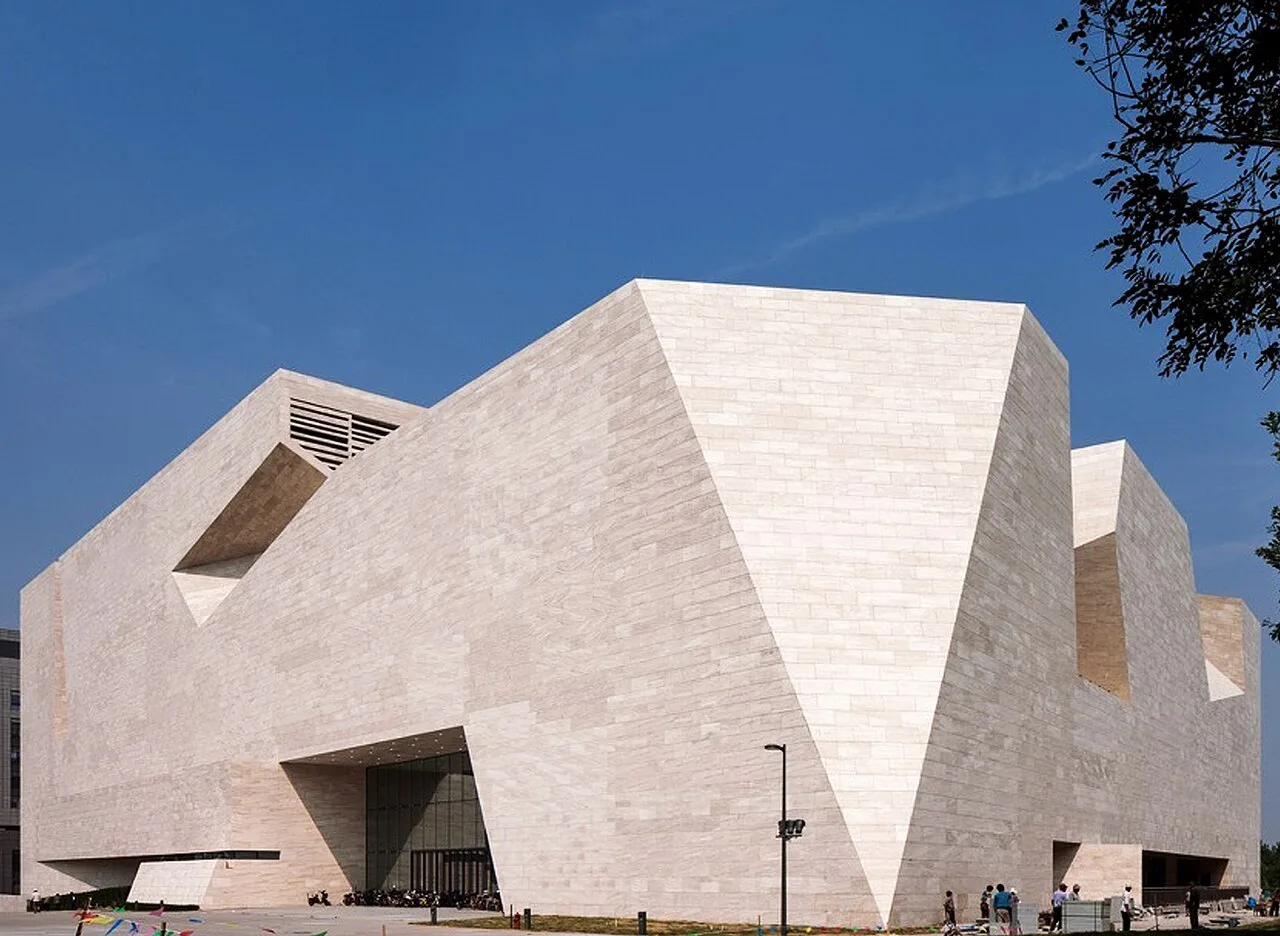
Whenever I visit eastern Jinan for an exhibition, I love to start by walking through five thousand years of history at the Shandong Museum. Then, just crossing the street, I step into the Shandong Art Museum to see how people today paint this land. With its high-ceilinged galleries and bright natural light, every piece of art feels spacious and open—from contemporary art to retrospectives of master artists, this is a must-visit destination for art lovers in Jinan.
1. Location Overview:The Shandong Art Museum is located at No. 11777 Jingshi Road, Lixia District, Jinan, approximately two kilometers east of the Yanshan Interchange. Situated adjacent to the Shandong Museum, it forms part of the most prominent cluster of cultural landmarks on the Jingshi Road cultural axis in eastern Jinan. As a key art venue for the province, it serves as both a provincial art museum and a public cultural service platform open free of charge to the general public. Looking along Jingshi Road, cultural institutions such as the Shandong Museum and the Shandong Provincial Archives unfold in succession, creating a cultural corridor that bridges the past and present through collection, exhibition, and art education. For first-time visitors to Jinan, this is the gateway to the current art scene of Shandong and the most modern “cultural living room” of the eastern new city. Whether you spend the day viewing exhibitions or take a stroll along Jingshi Road in the evening, you can feel the city’s profound respect for beauty.
2. Cultural Context:The history of the Shandong Art Museum dates back to 1977, with its predecessor located on Qingnian East Road, making it one of the first provincial art museums established in China. To welcome the 10th China Art Festival, the new building on Jingshi Road was completed and opened in 2013. The overall architectural design is inspired by the imagery of mountains and the openness of the sea, featuring a facade of interwoven stone and glass that presents an aesthetic that is both imposing and transparently modern. The relocation to Jingshi Road marked a leap from a traditional gallery layout to a modern art space, turning the museum into the core window for displaying Shandong’s artistic achievements to the world. As a provincial sanctuary for art, it fulfills the integrated functions of collection, research, exhibition, and public education, serving as a vital platform for the preservation and display of Shandong’s artworks and maintaining ongoing exchanges with museums nationwide. The exhibitions focus on blending local cultural heritage with a contemporary global perspective. Chinese painting, oil painting, sculpture, watercolor, photography, and mixed-media art each have their own stage here, reflecting both the deep traditions of Shandong art and the diverse explorations of the current art scene, allowing the museum to fulfill the dual mission of preserving memory and sparking creativity.
3. Highlights:First, the coexistence of permanent and temporary exhibitions. The museum hosts a diverse array of shows year-round, including Chinese painting, oil painting, sculpture, watercolor, photography, and contemporary art. These include solo exhibitions of local Shandong artists as well as high-quality exchange exhibitions from home and abroad; the exhibits are frequently updated, ensuring a new discovery with almost every visit. Second, immersive digital art exhibitions. In recent years, the museum has introduced immersive digital art shows that use light, sound, and spatial interaction to create an enveloping experience, becoming a popular “check-in” spot for young audiences and families with children, while expanding the traditional boundaries of the museum. Third, public art education. The museum features dedicated art education spaces that regularly host lectures, workshops, and art education activities for children, turning the museum into a participatory classroom. Fourth, the exhibition space itself. The new building boasts advanced facilities and a clear flow. The high ceilings and carefully designed lighting ensure that both large-scale installations and easel paintings are presented perfectly. The walking route is smooth and effortless, and even the atrium and high-void spaces are worth quiet contemplation—the architecture itself is the first exhibit.
4. Visitor Information:Opening Hours: Tuesday to Sunday, 9:00 to 17:00 (last entry at 16:30); closed on Mondays (except for statutory holidays). During peak seasons such as summer vacation, extended opening hours are often available; please refer to official announcements. Ticket Price: Free admission. Visitors must make a real-name reservation in advance via the Shandong Art Museum official WeChat account or other channels; some special exhibitions may charge a separate fee. Transportation: Located at No. 11777 Jingshi Road, Lixia District. You can take a bus to the “Provincial Museum” (Sheng Bowuguan) stop and walk from there. For those driving, navigate to “Shandong Art Museum.” Parking is available on-site but limited and often fills up during holidays; public transportation is highly recommended. Suggested visit duration: 2 to 3 hours. Visiting Tips: Food and drinks are prohibited inside the museum. Please turn off flashes when visiting immersive exhibitions. Group guided tours and other services can be reserved in advance through official channels. Follow the official WeChat account before your trip to check the latest exhibition news and reservation requirements to avoid a wasted trip or crowd control restrictions.
5. Travel Guide:For a half-day trip, you can arrange it like this: start at the Shandong Museum to view the basic exhibits and understand the historical trajectory of Shandong from prehistoric times to the Ming and Qing dynasties, then move to the Shandong Art Museum to focus on the current temporary and digital art exhibitions. The two museums are adjacent and within walking distance, making for a seamless flow. For a full-day trip, after visiting both museums in the morning, head west along Jingshi Road to a commercial complex for lunch, then return in the afternoon to participate in public education activities or revisit a gallery that caught your eye. Upon entering, it is recommended to pick up a current exhibition guide map from the service desk and mark the two or three shows you are most interested in, which is more rewarding than wandering blindly. The best photo spots are in the atrium and the high-ceilinged galleries, where the interplay of light and shadow is extremely modern. For immersive exhibitions, it is suggested to slow down, put your phone on silent, and simply feel the art. Families with children can participate in workshops to help their kids create a small painting or a print. The official WeChat account also posts information about curator-led tours and thematic lectures in advance; booking these often allows you to hear the creative stories behind the works, which is far more engaging than reading the plaques. Senior visitors are advised to avoid holiday peaks; the museum is quieter on weekdays and better for slow appreciation, with well-equipped seating and rest areas. Holidays and winter/summer breaks are peak times, and popular special exhibitions may have limited capacity; weekday mornings are the golden hours for visiting, as there are fewer people and the light is excellent. Before leaving, don’t forget to visit the cultural and creative area—Shandong-themed canvas bags, postcards, and art books make great souvenirs.
6. Best Time to Visit:The museum is suitable for all four seasons, as indoor visits are unaffected by the weather. The density of exhibitions is high and travel is most comfortable in late spring, early summer, and the crisp autumn. In summer, if extended hours are available, you can enjoy a cool evening visit. Winter is a relatively quiet period for exhibitions, making it ideal for deep appreciation. You can easily combine this with the Shandong Museum and the Shandong Provincial Archives to create a “Jingshi Road Cultural Half-Day Line.” For a more artistic route, you can extend your trip to the art spaces and independent bookstores in Jinan’s old city area. For a local experience, the area around the museum has many dining options; after your visit, you can taste home-style Lu cuisine or “Spring City” snacks such as Bazirou (braised pork), Tianmo (sweet porridge), and Youxuan (oil swirls). Overall, the Shandong Art Museum is not just a building, but a key to understanding the contemporary aesthetic temperament of Shandong. It is recommended to confirm opening hours and reservation requirements before traveling and give two or three hours of your time to art—you will gain much more than just a few photos.