Jinan · Museums & Academia
Shandong Science and Technology Museum
The day I took my nephew to the Provincial Science and Technology Museum, I thought I was just there as a chaperone. As it turned out, I became more immersed in the exhibits upstairs than he did—manually cranking a handle to light a lamp and using a pulley system to lift myself off the ground. That is the magic of the new museum; it turns adults back into curious children.
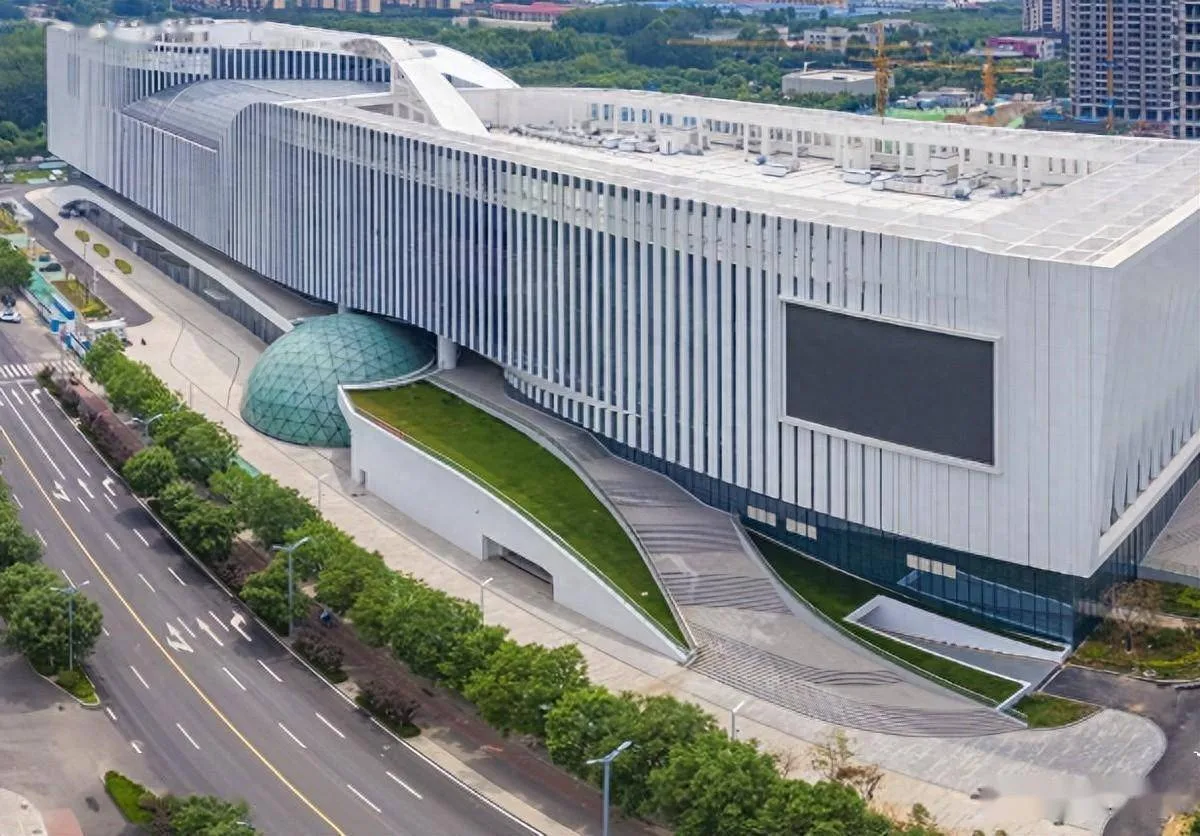
1. Location Overview: The new Shandong Science and Technology Museum is located at No. 2286 Rizhao Road, Huaiyin District, Jinan. Situated in the Jinan West Railway Station area, it sits alongside the Grand Theater, Library, and Art Museum of the Shandong Provincial Cultural and Art Center, forming the most concentrated cluster of cultural landmarks in western Jinan. The venue covers over 50 mu (approx. 8 acres) with a total construction area of 80,000 square meters, consisting of four floors above ground and one underground level. The building’s design incorporates the mathematical symbol “∞”, symbolizing the infinite nature of scientific exploration. After a trial run in late 2022 and its official opening in January 2023, this facility replaced the old museum east of Quancheng Square as the core venue for science popularization in Shandong Province. Please note that the old museum closed in December 2022; ensure you head to the new venue in Huaiyin District to avoid going to the wrong location. Upon exiting Jinan West Station, the “∞” silhouette of the building is visible from a distance and is highly recognizable. The spacious plaza in front often hosts science activities and outdoor markets during holidays, making it one of the most popular public spaces in the West Station area. Inside, a high-ceilinged atrium connects the floors; looking down from the upper railings, the layered exhibition halls are fully visible, offering a sense of space that is among the best of any science museum in China.
2. Cultural Context: Founded in 1956, the Shandong Science and Technology Museum was one of the first provincial-level science museums established in China. For generations of Jinan residents, scientific enlightenment began at the old museum east of Quancheng Square: the vintage exhibits, science films, and student groups during holidays are shared childhood memories for many born in the 80s and 90s. As the exhibits aged and space became saturated, a complete relocation was planned. The new museum rose in the West Station area, and the old venue retired in December 2022. From a single spark in 1956 to today’s 80,000-square-meter modern science center, this relocation represents a 70-year upgrade of science popularization in Shandong. The city’s willingness to reserve a large plot of land near the center for children’s curiosity speaks volumes about its priorities. Old Jinan residents remember the old museum as a staple destination for school spring and autumn outings, where every temporary exhibition was packed with students. The new museum retains this “approachable” spirit—free admission, mandatory reservations for all, and a focus on hands-on exhibits—aiming to pull science out of textbooks and turn it into toys in children’s hands and a spark in their eyes. The new museum also incorporates a “Shandong flavor” in its displays: the Achievement Hall highlights the province’s traditional strengths in marine science, agriculture, and manufacturing, making the visit a journey of rediscovering one’s hometown.
3. Highlights and Features: The keyword for the new museum is “hands-on.” Of the 800+ exhibits, over 80% are interactive and more than 30% are innovative: generating electricity by turning handles, experiencing novel driving devices, lifting oneself with pulleys, or tackling levels in fun mathematical games. The knowledge is hidden within the gameplay. There is a dedicated Children’s Hall for younger visitors, with colors and scales tailored specifically for kids. The Shandong Science and Technology Development Achievement Hall tells local stories, outlining representative achievements in provincial innovation, leaving visitors with a sense of pride. The special-effects theaters, including the dome cinema in the Science Film Area, are must-do items for families; please refer to the on-site announcements for showtimes and fees. The halls unfold by theme, from basic science to cutting-edge technology; a single day is hardly enough. The exhibits revolve around exploration and discovery: from classic zones like mechanics, optics, and electricity to frontier themes like aerospace, information technology, and life sciences, and finally the achievement exhibition. Walking through the entire circuit is like flipping through a thick general history of science, and adults will find it equally engaging.
4. Visitor Information: Opening Hours: Open Wednesday to Sunday, 9:00 AM – 4:30 PM. Ticket checks stop at 4:00 PM. Closed on Mondays and Tuesdays. Opening arrangements for statutory holidays are subject to official announcements. Ticket Price: Permanent exhibitions are free, but real-name reservations are mandatory for everyone, including infants. Whether special-effects theaters or other items require separate fees is subject to on-site announcements. How to Reserve: Reservations can be made via the official website (www.sdstm.cn) or the “Shandong Science and Technology Museum” WeChat official account/mini-program. Slots for the coming week are usually released on Tuesdays at 9:00 AM. Same-day reservations are not accepted. Holiday slots are highly sought after, so be sure to book in advance. Please bring your ID card for entry. Transportation: Take Metro Line 1 to Jinan West Station and walk for about 10 minutes. For those driving, navigate to “Shandong Science and Technology Museum New Venue”; underground parking is available. Nearby buses stop around Rizhao Road and Lashanhe East Road. For inquiries, call 0531-86064850. In case of severe weather or maintenance, some exhibits may close temporarily; please check the website or WeChat account before visiting. Group visits and study tours have separate reservation arrangements; schools and organizations should contact the museum through official channels in advance.
5. Travel Tips: It is recommended to reserve 3–5 hours; families with children can plan for a full day. Suggested itinerary: Enter as soon as the museum opens and head straight for the most popular interactive exhibits and the Children’s Hall to beat the queues. Then, explore the floors slowly, checking showtimes for the dome cinema in advance to time your entry. Take a break in the rest areas at noon to recharge, and spend the afternoon visiting any remaining exhibits. For photography, the atrium and the “∞” exterior are highly recommended, with the softest light occurring just before closing. To explore the surrounding area, you can include the Provincial Library, Provincial Art Museum, and the Provincial Grand Theater in the same day; these venues are adjacent and within walking distance, making it the most rewarding cultural route in western Jinan. Rest areas are available inside, or you can dine in the surrounding commercial district of the Art Center. Families are advised to bring water bottles and small snacks, as excited children often refuse to leave. Before exiting, check the service desk for the monthly science activity brochure—your next family theme might be in there. To manage energy, do the most physically demanding interactive activities in the morning and watch the dome movie in the afternoon when children get sleepy; this balance ensures you won’t be exhausted by closing time.
6. Best Time to Visit: As an indoor venue, it is suitable for all seasons, especially during rainy or snowy days, peak summer, and dead winter—it’s better to spend the day in a climate-controlled hall than braving the scorching sun or freezing wind. Winter/summer breaks and weekends are peak times for families, and the most popular exhibits have the longest queues; visiting on weekdays (Wednesday to Friday) is recommended to avoid crowds. New exhibitions and large-scale science events are concentrated around holidays and Science Activity Week; check the website before departing. For those with young children, try to book the morning session when children have the most energy and to avoid the afternoon crowds. The half-hour before closing is the quietest time, perfect for taking photos or revisiting favorite exhibits. Spring often sees more themed temporary exhibitions, while Autumn has the densest activity around National Science Day. In winter, the “∞” roof covered in snow is exceptionally photogenic. Regardless of when you visit, “advance reservation + weekday off-peak” are the two keywords for the best experience. The window just after opening on weekday mornings is the quietest time of the day, with almost no queues for popular exhibits—perfect for families who want to explore everything at a leisurely pace.