Suzhou · Museums & Academia
Suzhou Garden Museum
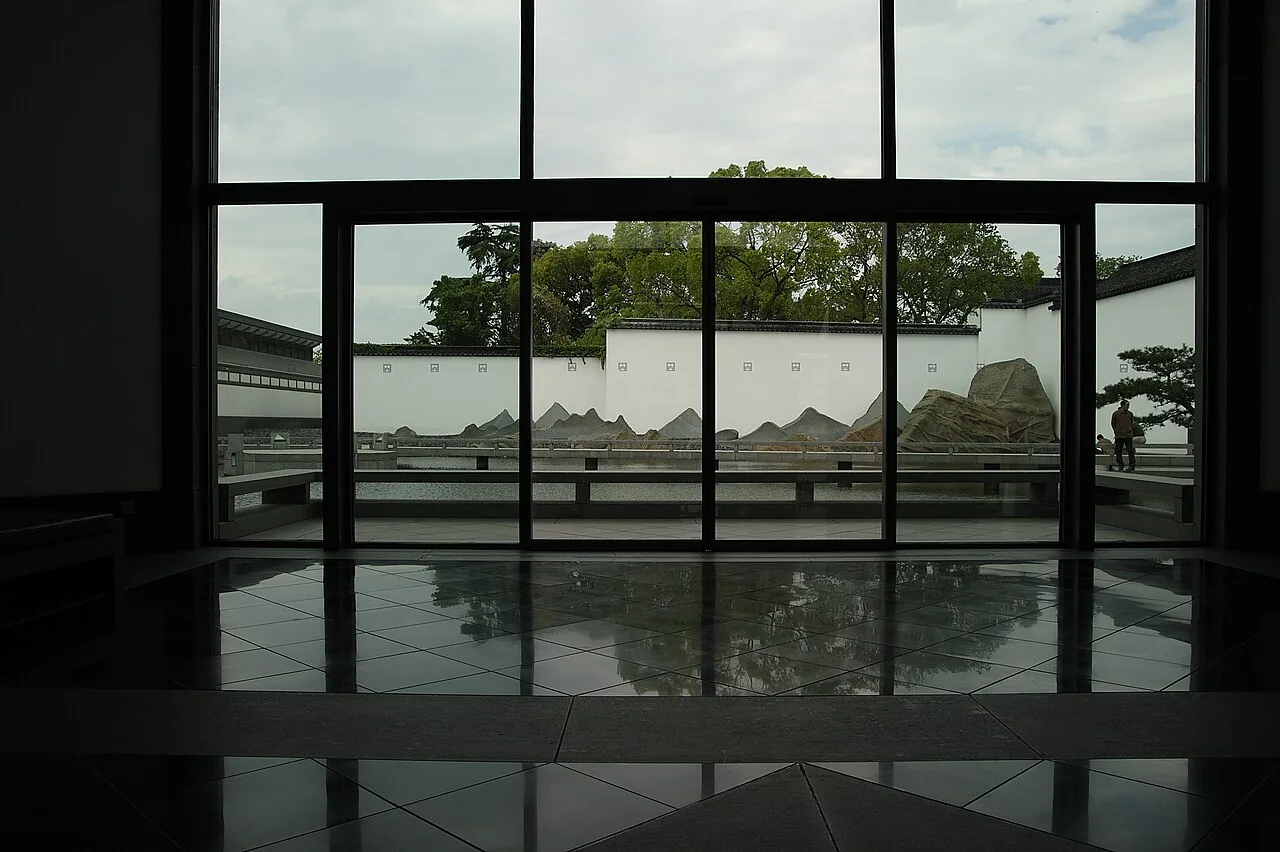
If the Humble Administrator’s Garden is a poem written in a freehand style, then the Suzhou Garden Museum is its annotated edition. It was here that I first realized that every rockery and every pond in a garden hides the ingenious designs of the ancients.
1. Location Overview:The Suzhou Garden Museum is located at No. 202 Dongbei Street, Gusu District, Suzhou, immediately adjacent to the southwest side of the Humble Administrator’s Garden. Originally part of the residential area of the Humble Administrator’s Garden, it is China’s first museum dedicated specifically to gardens. Though modest in size, the museum is embedded in the very heart of Gusu’s cultural fabric. Within the regional tourism landscape, it forms a cultural wandering network in the northeast of the ancient city alongside the Humble Administrator’s Garden, Suzhou Museum, Prince Zhong’s Mansion, and the Lion Grove Garden. Visiting Suzhou’s gardens without context can feel like a superficial glance; taking a “lesson” at the Garden Museum first allows you to appreciate the landscapes with a clear understanding of the design. This “garden outside the garden” is the key to unlocking the secrets of Jiangnan gardens. The building itself is an exhibit: its architecture continues the tradition of white walls, black tiles, and courtyard proportions of the Humble Administrator’s Garden’s residential zone, immersing visitors in the atmosphere before they even see the displays.
2. Cultural Context:Established in the autumn of 1992, the Suzhou Garden Museum opened as China’s first specialized garden museum. Its inception coincided with the moment Suzhou’s classical gardens gained global recognition: in 1997, the Humble Administrator’s Garden and others were inscribed on the UNESCO World Heritage List, placing the value of these gardens within a global heritage framework. In 2007, a new building was completed on the original site, operating alongside the old hall to create a complementary north-south complex. This has made the museum the official window for interpreting Suzhou gardens, a hub for disseminating garden culture, and a platform for academic research. Through its exhibits, the museum restores the journey of gardens evolving from private sanctuaries to public heritage and documents over half a century of conservation research, condensing hundreds of years of landscaping history into tangible galleries. In 2000, the Canglang Pavilion and Lion Grove Garden were added as extensions to the World Heritage site, completing the heritage map of Suzhou’s classical gardens. Accordingly, the museum’s exhibits are continuously updated with garden archives, restoration records, and research findings, making it a front-line center for the display and monitoring of World Heritage sites.
3. Highlights:The museum features several galleries, including the Prologue Hall, History Hall, Art Hall, Culture Hall, and Heritage Hall. It systematically deconstructs landscaping techniques based on four key elements: rockeries, water management, architecture, and flora. The primary attraction is this ability to break down a garden into understandable knowledge points. The second highlight is the exquisite garden models; the landscapes of famous sites like the Humble Administrator’s Garden are miniaturized into 3D maps, allowing visitors to overlook the entire layout of mountains and water—providing a clarity of structure that is often missed when standing inside the actual garden. The third highlight consists of physical exhibits such as landscaping tools, brick carvings, Ming-style furniture, and historical footage, giving a tangible form to abstract wisdom. The fourth highlight is the rockery sample lineage, ranging from Taihu stones and yellow stones to artificial rockeries, helping visitors identify the textures and uses of different stones. From an introduction to “how to view a garden” to an inquiry into “why it was built this way,” the museum stands on a foundation of systematic education. It encodes two thousand years of landscaper experience into a learnable system. For those interested in details: the rockery area displays samples of Taihu and yellow stones; the water section uses cross-section models to explain pond banks and water inlets; the architecture section showcases actual flower windows, hanging eaves (gualuo), and paving patterns; and the flora section uses charts to show seasonal arrangements. The museum also houses replicas of Ming and Qing dynasty garden albums and landscaping classics, alongside historical photographs. Many of the brick carvings in the display cases were collected from old Suzhou residences, each carrying a sense of the city’s lived history.
4. Visitor Information:Ticket Policy: The museum is free of charge and generally does not require a ticket. Opening Hours: Tuesday to Sunday, 9:00 AM – 4:30 PM (last entry at 4:00 PM); closed on Mondays (except for statutory holidays). Please bring a valid ID for registration. Information on temporary exhibitions and special lectures is subject to official museum announcements. Suggested visit time: 1 to 1.5 hours. The museum contains ramps and steps; visitors using wheelchairs may seek assistance from staff. The best visiting sequence is “Museum first, Garden second”: establish a conceptual framework of rockeries, water management, borrowed scenery (jiejing), and framed scenery (kuangjing) here first, then enter the Humble Administrator’s Garden to see them in practice for a completely different experience. Transportation: Take Metro Line 6 to the Humble Administrator’s Garden/Suzhou Museum Station; it is a few minutes’ walk from the exit. Alternatively, take bus lines such as You 1 to the Suzhou Museum (Humble Administrator’s Garden) stop. Parking in the ancient city is limited; public transport is highly recommended. Paid parking lots nearby have limited space, especially during holidays. Please maintain silence and avoid using flash photography for exhibits. The museum provides resting areas and a cultural creative corner where you can purchase garden-themed catalogs as souvenirs.
5. Travel Tips:We recommend a half-day itinerary combining the Garden Museum, the Humble Administrator’s Garden, and the Suzhou Museum. Start with a “lesson” at the Garden Museum in the morning, verify the concepts in the actual scenery of the Humble Administrator’s Garden, and then visit the Suzhou Museum in the afternoon to see its architecture and collections. The entire route is walkable and allows for a relaxed pace. The best photo opportunities are the garden models and landscaping tool displays (please turn off flash). Focus your attention on how the four elements collaborate to create an atmosphere, the value assessment system of World Heritage, and garden restoration techniques. The museum is ideal for families, students, and first-time visitors: children can focus on the models and tools, while students can engage with the World Heritage education programs. The museum occasionally hosts intangible cultural heritage workshops, markets, and Heritage Day events where you might experience building a miniature rockery or sketching a garden. To avoid crowds, we suggest avoiding weekend and holiday mornings; the halls are much quieter on weekdays, making it easier to read the exhibit labels. Prince Zhong’s Mansion on Dongbei Street is also worth visiting: this Taiping Heavenly Kingdom site once belonged to the eastern part of the Humble Administrator’s Garden and is now connected to the Suzhou Museum. In half a day, you can experience three different spatial narratives: the garden, the palace, and the museum.
6. Best Time to Visit:The museum is suitable for all seasons. Spring’s fresh greenery and summer’s lotus breeze complement the actual garden scenes perfectly. Temporary exhibitions are typically updated in spring and autumn; check official announcements before your trip. The value of this museum extends beyond its exhibits: for the city, it serves as the gateway to Suzhou’s gardens—weaving official World Heritage narratives, academic achievements, and public education into a constantly evolving system that provides an introductory course for every generation of visitors. It can be easily linked with Prince Zhong’s Mansion, Suzhou Museum, Lion Grove Garden, and Pingjiang Road. After visiting the museum, you will find your perspective on Jiangnan has quietly shifted from “how beautiful” to “why is it beautiful”—this small museum is the bridge. The beauty of a garden is rarely obvious at first glance; by decoding it here first and then verifying it in reality, your trip to Suzhou gains a layer of scholarly depth. Around the World Heritage Day in June, lectures and special exhibitions are particularly frequent, making it an excellent time to dedicate a half-day to a deep dive.