Xuzhou · Museums & Academia
Xuzhou Han Dynasty Stone Relief Art Museum
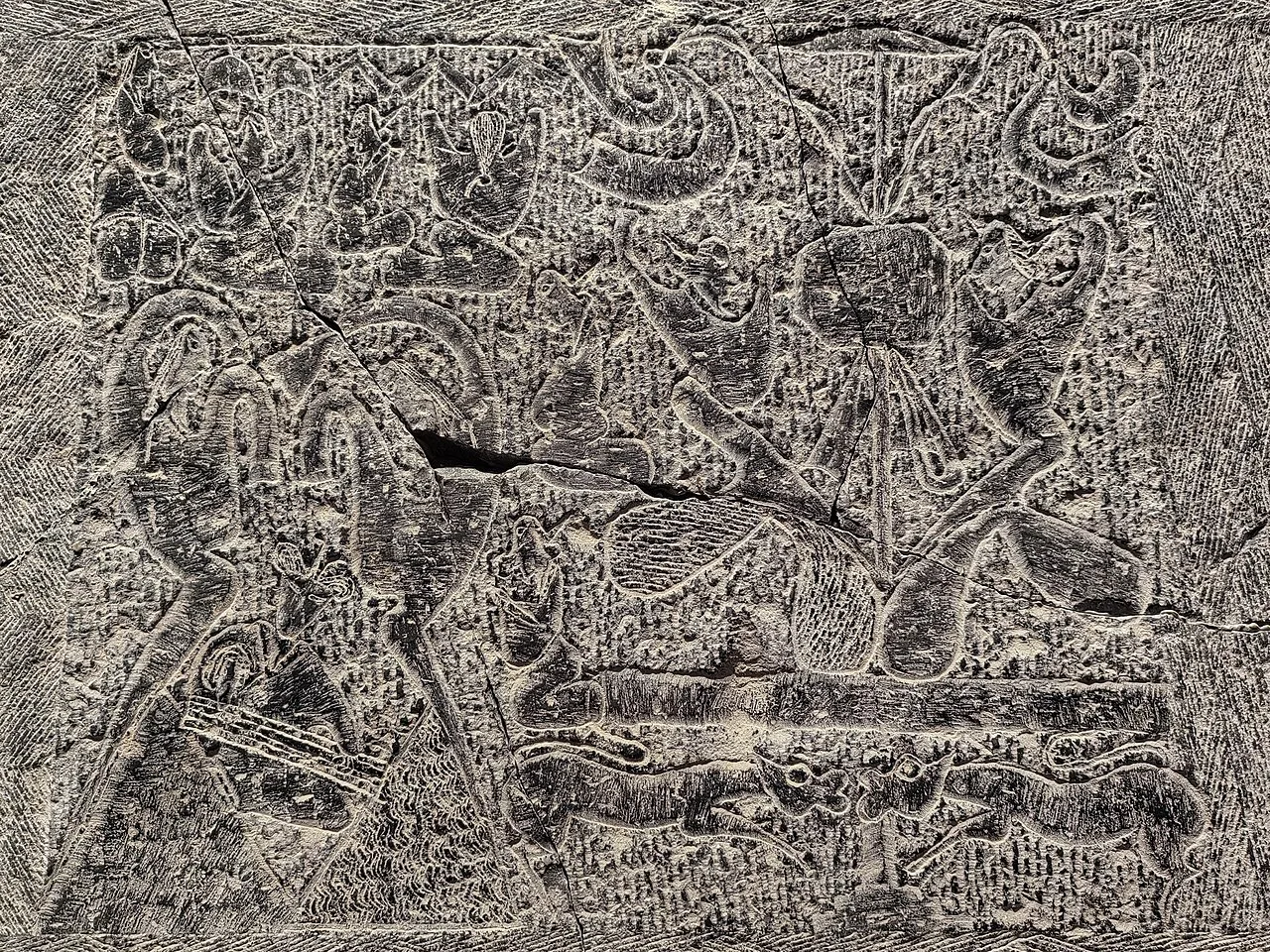
The Han Dynasty Stone Relief Art Museum is a cultural landmark of Xuzhou’s “Han Culture.” The scenes of Han Dynasty life carved into stone—banquets, hunting, travels, and myths—are raw yet vivid, bringing the social landscape of two thousand years ago directly before your eyes. It offers a visceral glimpse into the prosperity of Xuzhou during the Han Dynasty.
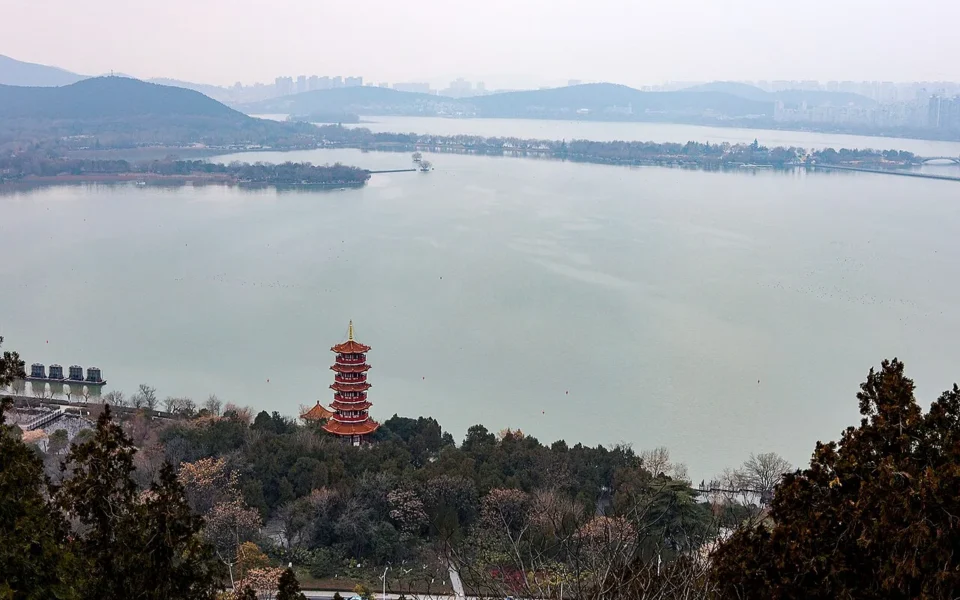
1. Location Overview: The Xuzhou Han Dynasty Stone Relief Art Museum is located at No. 5 Hudong Road, Quanshan District, Xuzhou. Situated at the western foot of Yunlong Mountain and the eastern shore of Yunlong Lake, it is a specialized museum under the Xuzhou Museum, focusing on the collection, research, and exhibition of Han dynasty stone reliefs. As a National Second-Class Museum and a National 4A-level tourist attraction, it exists in harmony with Yunlong Lake and Yunlong Mountain, serving as a core node of the cultural and scenic belt in western Xuzhou, just a few kilometers from the city center. The facility covers approximately 20,000 square meters, consisting of a North and South hall—one modern and one traditional—that reflect the surrounding landscape. Within the regional tourism layout, the art museum forms a comprehensive Han Dynasty cultural display system alongside the Xuzhou Museum, the Han Terracotta Army Museum, and Xima Tai. It is a must-visit destination for international and domestic researchers and tourists seeking to decode Han art and social life. The site’s orientation, nestled between mountains and water, is deeply rooted in Eastern aesthetics; a stroll along the shaded paths outside the museum, with the lake and mountains in view, provides a sense of tranquility before you even enter.
2. Cultural Context: Han stone reliefs are architectural stones used in underground tombs, ancestral halls, and stone gateways (que) during the Han Dynasty. As a former fiefdom of the King of Chu and a major metropolis, Xuzhou possesses an exceptionally rich legacy of these artifacts, with vast numbers unearthed in Tongshan, Pizhou, Suining, Feng, and Pei. The city’s total collection numbers in the thousands. The museum originated from the Jiangsu Province Xuzhou Han Stone Relief Preservation Group established in 1956, officially opening as a museum in October 1989 and expanding into its current two-hall layout in 2007. The museum houses over 1,600 pieces. The South Hall’s basic exhibition, “The Great Han Dynasty: An Epic on Stone,” showcases over 400 pieces, while the North Hall’s “Ancient Han Stone Collections” displays over 160 masterpieces. Xuzhou’s Han stone reliefs are renowned as one of the “Three Treasures of Jiangsu,” alongside the Six Dynasties stone carvings of Nanjing and the Ming and Qing gardens of Suzhou, serving as precious physical evidence for the study of Chinese art history and Han social history. On August 29, 2015, the Cheng Dali Art Museum was established within the facility, displaying over 40 works by the famous calligrapher and painter Mr. Cheng Dali, creating a dialogue between ancient Han spirit and contemporary ink art. Consequently, the museum has become an important base for social science popularization and patriotic education in Jiangsu, attracting numerous scholars in art, history, and archaeology annually.
3. Highlights: The museum’s most precious asset is its collection of over 1,600 stone reliefs, hailed by academics as an “Epic on Stone.” These use bas-relief and linear carving to depict the myriad aspects of Han society, including farming, hunting, music and dance, acrobatics, travel by carriage, and auspicious myths. Representative themes include the grand processions of carriages and horses, vivid records of acrobatics and banquet entertainment, and mythological figures like Fuxi, Nüwa, and the East and West Queens Mother, reflecting the ancient cosmology and views on life and death. The South Hall uses a modern exhibition system to unfold the charm of Han culture, transitioning clearly from labor and ritual to the immortal realm and secular life. The North Hall, built in a Han-Tang architectural style, houses masterpieces discovered between the late Qing Dynasty and 1989 across seven galleries and a 206-meter-long corridor; here, rubbings are displayed alongside the originals to help visitors understand techniques such as incised lines and sunken relief. The process involved sketching with ink on the stone surface before carving through techniques like ground-cutting and shallow relief, resulting in bold, simple lines and full yet balanced compositions. Walking through the galleries is like flipping through a Han Dynasty encyclopedia carved in stone; the fluidity of the lines and the eccentricity of the imagination provide irreplaceable value for understanding early Chinese painting and sculpture.
4. Visitor Information: Admission is free. Individuals do not need a reservation and can enter with a valid ID; groups of 30 or more must book by phone three days in advance (Tel: 0516-85690228). Opening hours are Tuesday to Sunday, 9:00–17:00 (last entry at 16:00), closed on Mondays (except public holidays). To ensure the safety of the artifacts and maintain order, visitor flow is controlled, and temporary limits may be imposed during peak hours; please allow for flexibility in your schedule. Priority entry is given to retired officials, certified seniors, and persons with disabilities. The address is No. 5 Hudong Road, Quanshan District, Xuzhou. The recommended visit duration is 1.5 to 2.5 hours. Guide services are available and can be requested during group bookings. Accessibility ramps and basic facilities are well-maintained, and the galleries are climate-controlled for a comfortable experience. Transportation: The nearest subway station is Central Hospital Station on Line 2 (approx. 1 km walk). Alternatively, take bus 47, 63, You 2, or You 3 to the Yunlong Mountain Ropeway stop and walk north for about 200 meters along Hudong Road. For those driving, parking is available at the south side of the museum or the opposite Yunlong Lake Scenic Area parking lot.
5. Travel Tips: The recommended route starts at the prologue of the South Hall’s “The Great Han Dynasty: An Epic on Stone,” visiting themes of carriages, music and dance, farming, and mythology in sequence. Then, proceed to the North Hall to compare the “Ancient Han Stone Collections” with their rubbings, and conclude at the Cheng Dali Art Museum before relaxing at the lakeside platform. The best photo opportunities are close-ups of the carvings; however, please note that flash photography is prohibited—use natural light or high ISO settings. Focus your attention on identifying themes (such as carriage processions or acrobatics), carving techniques (sunken relief vs. incised lines), and the underlying Han beliefs regarding the afterlife and immortality. For art students, the rubbings and linear carvings are excellent specimens of Han line art; bringing a sketchbook to trace the lines may be more rewarding than simply taking photos. The museum is ideal for study tours, art enthusiasts, history buffs, and families (using the imagery to tell stories to children). Visiting on weekday mornings is suggested to avoid crowds. For social education activities, follow the Xuzhou Museum official WeChat account for registration.
6. Best Time to Visit: The museum is climate-controlled and suitable for all seasons, making it a great spot to escape the summer heat or winter cold, and an ideal destination on rainy days. It can be combined with Yunlong Mountain, Yunlong Lake, and the Su Shi Memorial Hall for a half-day or full-day cultural tour of the western lake and mountain area, or paired with the Xuzhou Museum and Han Culture Scenic Area for a deep dive into the two Han dynasties. If visiting both museums in one day, start here with the stone reliefs and then head to the main museum to see the gold-threaded jade suits and Han pottery figurines; they are close to each other and provide a complete picture of Xuzhou’s Han culture. For a local experience, try nearby Xuzhou snacks such as Bazirou (braised pork), “itang” (local soup), Laomo (baked flatbread), and frog fish. During Han culture festivals, you may see Hanfu displays and traditional music and dance performances, bringing the static history of the stones to life. After your visit, compare the “Epic on Stone” with the real mountains and waters before you: the stones in the museum carve the lives of Han people in Xuzhou, while the lake and mountains outside are the very land they lived upon. In short, this is a Han Dynasty encyclopedia in stone—take your time to uncover its secrets.