Xuzhou · Lakes & Waterfront
Yunlong Lake Scenic Area
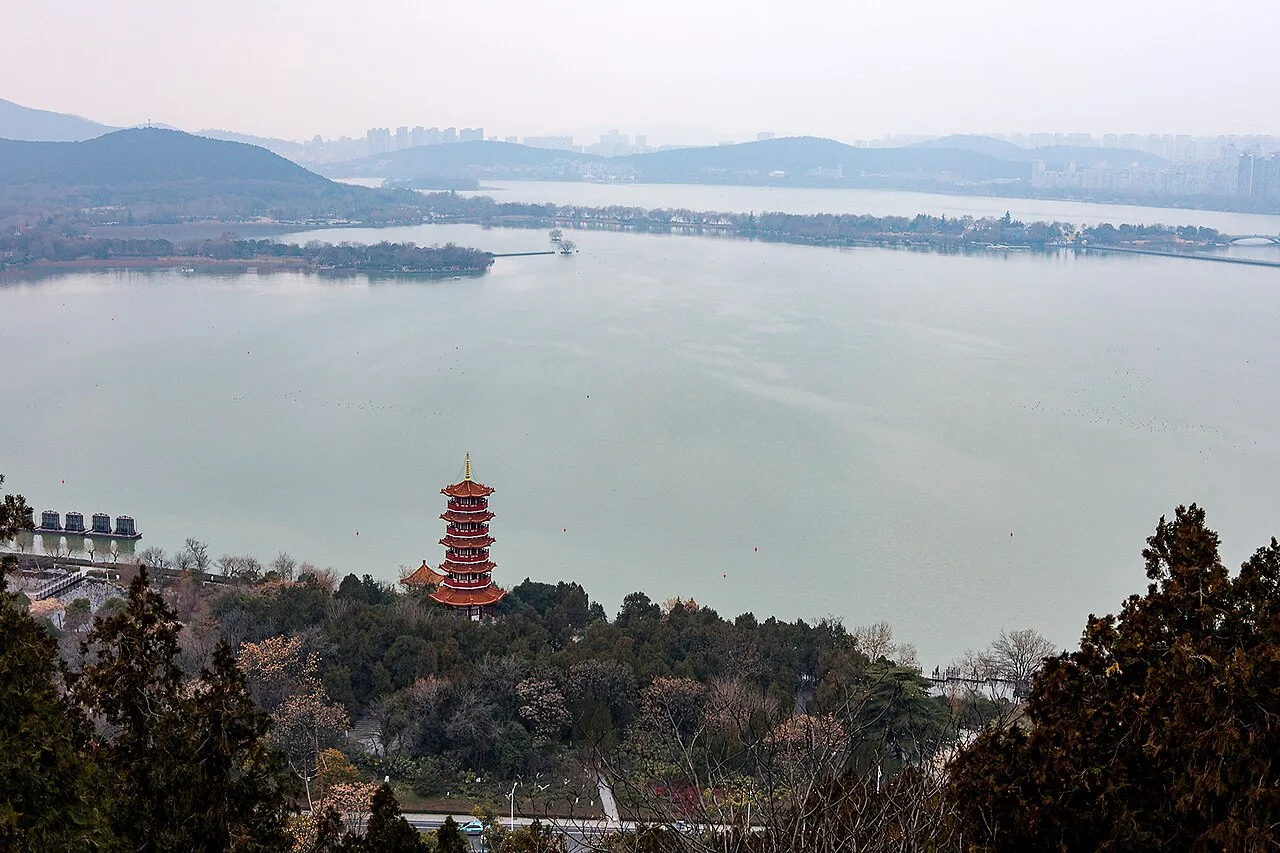
To me, Yunlong Lake feels like “the backyard of Xuzhou residents”—people jogging, strolling, and fishing along the lakeside promenade, all embodying a relaxed sense of daily life. I rented a bike and cycled around the lake, watching the scenery shift and the silhouette of Mount Yunlong reflect in the water. It suddenly occurred to me that for a city to preserve such a vast expanse of water is a true blessing.
1. Location Overview: Yunlong Lake Scenic Area is located in the southwestern part of the Xuzhou urban area within the Quanshan District (No. 1 Huhong Road). Situated about 3 kilometers from the city center, it is a National 5A-level tourist attraction and one of Xuzhou’s most prestigious landmarks. The lake covers approximately 6.76 square kilometers and consists of Yunlong Lake, Xiaonan Lake, and other connected waters. It is bordered by Mount Yunlong to the north, Mount Zhushan to the west, and the city center to the east, creating a layout where the city is embraced by mountains on three sides and opens to the urban center on one, embodying the charm of “half city, half lake.” As a core part of Xuzhou’s cultural and tourism map, it forms a scenic and cultural belt alongside Mount Yunlong, the Han Dynasty Stone Reliefs Museum, the Su Shi Memorial Hall, and the Zhushan Scenic Area. It serves both as a daily recreational hub for locals and as the primary introduction for visitors to Xuzhou’s natural beauty. Seamlessly integrated into the city, it is ideal for morning exercises, night runs, and family water activities, serving as the “green lung” of Xuzhou and a rare large-scale urban lake scenic area in Northern Jiangsu.
2. Cultural Heritage: The formation of Yunlong Lake is closely tied to the evolution of Xuzhou’s urban water system. Historically known as Shigou Lake, it was already a body of water during the Northern Song Dynasty and was later expanded through dredging to reach its current size. The name “Yunlong” (Cloud Dragon) comes from the mountain to the east; legend has it that the mountain is named for its winding, dragon-like ridges often shrouded in clouds. The great Northern Song poet and statesman Su Shi once served as the Governor of Xuzhou. In 1077 AD, when the Yellow River breached its banks and flooded the city of Pengcheng, Su Shi personally led the army and citizens to build embankments and protect the city. The Huang Tower was later built to commemorate his achievements. The Su Gong Pagoda and the Su Shi Memorial Hall by the lake were established to honor this influential official. Other sites on Mount Yunlong, such as the Su Bu Bridge and Huangmao Gang, also relate to his time here. The intersection of Han Dynasty culture, the legacy of renowned scholars, religious traditions, and military history makes Yunlong Lake more than just a natural site—it is a cultural “city living room” where Su Shi’s legacy adds a thousand years of literary depth. In 2016, the area was officially designated as a National 5A-level tourist attraction.
3. Highlights: The primary draw of Yunlong Lake is the breathtaking panorama of the lake meeting the mountains. The integrated lakeside promenade and cycling paths allow visitors to hike, boat, or bike through scenery that changes beautifully with the seasons. Mount Yunlong, rising about 142 meters, is a famous Buddhist mountain; its historic sites, such as Xinghua Temple, Dashi Rock, and the various observation decks, are favorites for their panoramic views of the city and lake. A cable car is available for a bird’s-eye view of the landscape. The Xiaonan Lake area, covering about 0.96 square kilometers, is more delicate, adorned with bridges and corridors, making it a perfect spot for capturing reflections and night views. The Su Gong Pagoda is located in this area. To the west lies the serene Zhushan Scenic Area. Xiaonan Lake also features a “Ten-Thousand Person Beach” and the Nanhu Water Street, which become the city’s most popular cooling-off spots in the summer. The Han Dynasty Stone Reliefs Museum, nestled between the mountain and the lake, houses a vast collection of ancient reliefs. For families, the Yunlong Lake Water World and the sandy beach are major attractions, while the musical fountain in front of the Xuzhou Concert Hall is a popular night-time gathering spot. With the lake and mountain complementing each other, walking along the shore feels like strolling through a traditional landscape painting.
4. Visitor Information: Opening Hours: Yunlong Lake is an open scenic area, free to enter 24/7. Visitors can enter for walking or fitness at any time without a reservation. Tickets: Entry to the lake area is free. Only commercial services such as the cable car, cruise boats, and Water World require separate payment. Water World operates seasonally in summer; please refer to the on-site notices for current pricing. Transportation: Take Metro Line 1 to Gongnong Road Station or Xing-shanzi Station, then walk or take a shuttle to the lake. Multiple city bus lines stop at the “Yunlong Lake Scenic Area” or “Hudong Road” stops. For those driving, navigate to “Yunlong Lake Scenic Area.” There are several parking lots around the lake, though they can be crowded during holidays, so public transport is recommended. Suggested Duration: Half a day to a full day. Due to the size of the area, first-time visitors should pick up a map at the Visitor Center and choose between the East or West routes rather than trying to cover everything in one go. The area is equipped with a visitor center, shared bike rentals, restrooms, and benches. The paths are flat and relatively accessible for all ages. Children must be accompanied by adults during water activities. Cable cars and water attractions may be suspended during thunderstorms; please follow on-site announcements.
5. Travel Tips: For a half-day trip, spend about four hours walking or cycling along Hudong Road, heading up to the Mount Yunlong observation deck for a panorama, and visiting the Han Dynasty Stone Reliefs Museum and Su Shi Memorial Hall. For a full-day trip, add Xiaonan Lake, Zhushan Scenic Area, and the Water World. To save energy, take the cable car up and walk down, visiting Xinghua Temple along the way. Alternatively, hire a traditional pleasure boat to view the mountains from the water or rent a shared bike for a leisurely ride. The best photo spots include the Mount Yunlong observation deck (high-angle city/lake view), the bridge reflections at Xiaonan Lake, the sunset over the bay at the foot of Mount Zhushan, and the morning mist blending with the city skyline. At night, the musical fountain by the Concert Hall is a must-see. For a deeper experience, focus on the stories of Su Shi’s flood control, the Buddhist history of Mount Yunlong, and the social history of the Han Dynasty revealed in the stone reliefs. The area is suitable for everyone: families can enjoy water activities and cycling, seniors can enjoy morning walks, and students can explore Han culture and Su Shi’s literature. Visit in the early morning or late afternoon for the softest light and smaller crowds. Remember sun protection and hydration in the summer afternoons; a full cycle around the lake is the best way to appreciate the scale of the scenery.
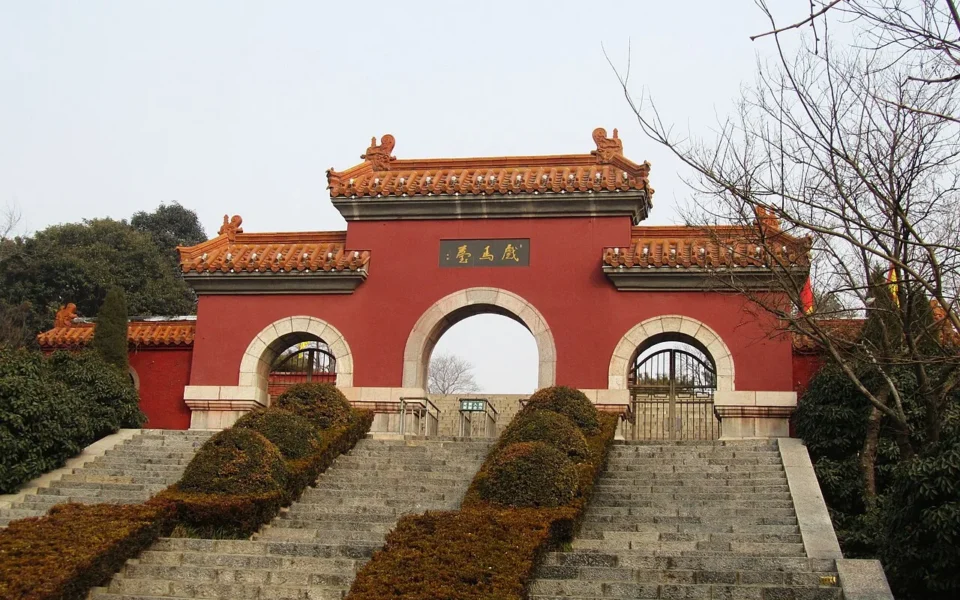
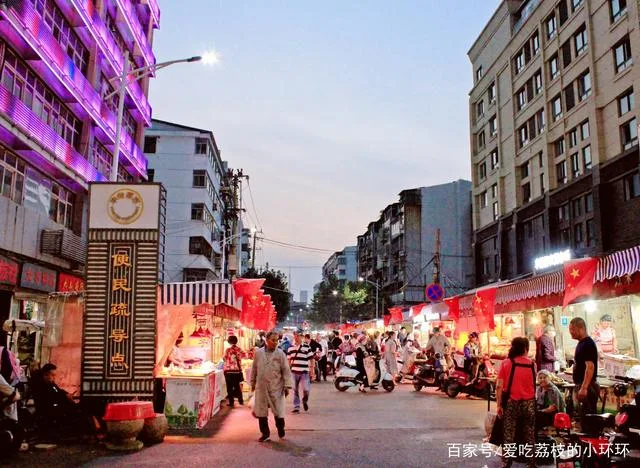
6. Best Time to Visit: Yunlong Lake is beautiful year-round: spring brings fresh greenery and blossoms; summer offers water activities and cool night breezes; autumn transforms the forests into vibrant colors under a vast sky; and winter, though sparse, has a serene beauty, with snow turning the lake and mountains into a living ink wash painting. For itinerary planning, the lake area can be combined with the Xuzhou Museum, Xima Tai, and the Hubushan Ancient Dwellings for a city center cultural day trip, or linked with other Han culture sites for a thematic tour. Regarding local cuisine, you can find Xuzhou specialties such as “Di Guo Ji” (pot chicken), “Ba Zi Rou” (braised pork), “He Ta Tang” (specialty soup), “Lao Mo” (baked flatbread), frog fish, and “Mi San Dao” (honey-glazed pastry) near the lake and in the city. In summer, the lakeside night markets offer lively BBQ and cold drinks. Accommodation and dining options nearby are well-developed. For many Xuzhou residents, this lake is the backdrop of their daily lives. I encourage visitors to slow down, walk the lake like a local, and experience the city’s composure and tenderness. Don’t rush—only after you’ve completed a full loop have you truly experienced Xuzhou and understood the meaning of “half city, half lake.”