Beijing · Museums & Academia
Military Museum of the Chinese People’s Revolution
What struck me most about the Military Museum was the presence of the “real deal.” The aircraft, tanks, and missiles parked in the first floor and basement halls are mostly actual equipment used, captured, or developed by the army. That immediate sense of physical weight is far more intuitive than any documentary. Walking through the exhibits, from the War to Resist U.S. Aggression and Aid Korea to domestically produced heavy weaponry, you can truly feel how an army evolved from “millet and rifles” to what it is today.
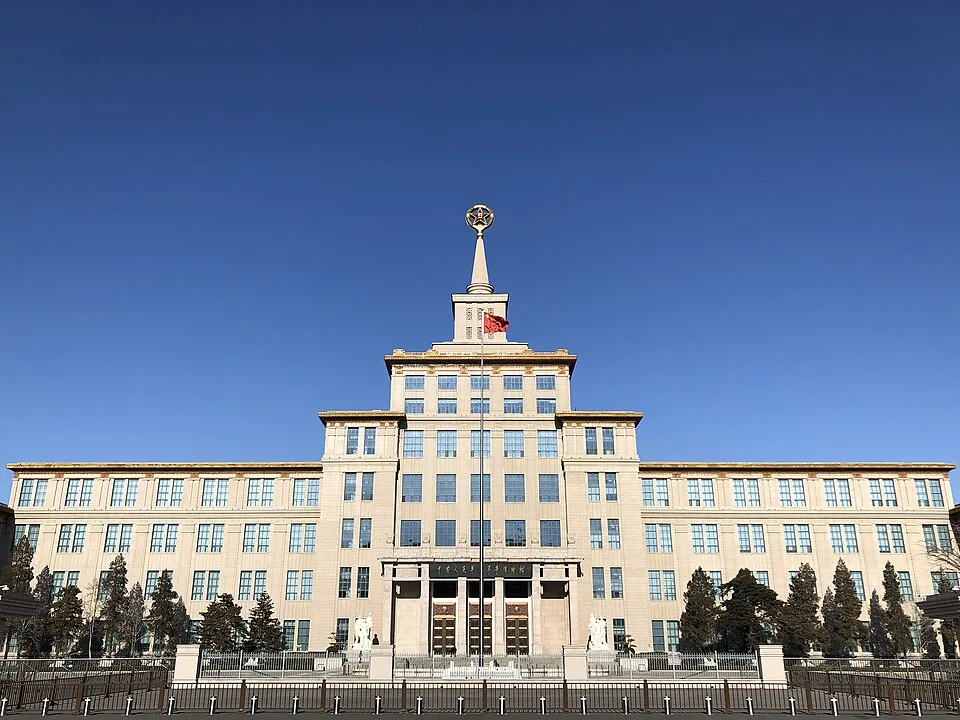
1. Location Overview:The Military Museum of the Chinese People’s Revolution is located at No. 9 Fuxing Road, Haidian District, Beijing. Often referred to as “Junbo,” it is situated on the extension of West Chang’an Avenue, east of Gongzhufen. It is China’s only large-scale comprehensive military museum and was among the first batch of national first-class museums. The main building was completed in 1959 as one of the ten great architectural projects of the capital for the 10th anniversary of the founding of the People’s Republic of China. Grand in scale, it is a major cultural landmark in western Beijing, with the military emblem atop the building being particularly striking along Chang’an Avenue. In terms of city tourism, the museum is adjacent to the China Millennium Monument and Yuyuantan Park, with the Central Radio & TV Tower nearby. Located on the cultural axis of the western section of Chang’an Avenue, it serves as both a site for national defense education and a top choice for families and students to learn about the history of the People’s Army. It is easily accessible via the intersection of Metro Lines 1 and 9.
2. Cultural Context:Construction began in 1958, and the museum officially opened to the public on August 1, 1960. It was established in the early days of the People’s Republic of China to systematically preserve and display revolutionary military history. Listed alongside the Great Hall of the People and the National Museum of China as one of the ten great architectural projects of the capital, it reflects the determination of that era to concentrate resources on building cultural landmarks. The architecture consists of a towering central hall flanked by two exhibition wings, with the military emblem at the top emphasizing its theme, making the building itself a piece of historical art. As a national-level military museum, it has long fulfilled the comprehensive functions of collection, research, exhibition, and education. Its collection covers various artifacts from the Land Revolutionary War, the War of Resistance against Japanese Aggression, the Liberation War, to the national defense construction of the new China, many of which are precious physical objects preserved from the battlefield. Culturally, the museum is a vessel for “red memories” and a classroom for national defense education. Many pieces of equipment witness the journey from inferior gear to a modernized, strong army, carrying the historical weight of national independence and peaceful development, allowing later generations to understand intuitively that peace is hard-won.
3. Highlights:The museum is renowned for its collection of large-scale military artifacts. The first floor and basement halls display heavy equipment such as aircraft, tanks, artillery, and missiles, providing a powerful visual impact that often leaves children mesmerized. The basic exhibitions include themes such as the Revolutionary War led by the Communist Party of China, weapon displays, and military technology displays, systematically showcasing the development of the People’s Army and achievements in national defense science. The weapon displays feature firearms and artillery from various historical periods, as well as physical aircraft, tanks, naval vessels, and missile exhibits. The Dongfeng series missiles and physical models of domestically produced heavy weaponry, such as the J-20, frequently draw attention, allowing visitors to get a close-up look at the nation’s strategic assets. The charm of the museum lies not only in the equipment itself but in the people and stories they carry: from the rudimentary weapons of the Long March to the captured equipment of the anti-Japanese war, and finally to current domestically produced gear, a single thread connects the journey from weakness to strength. The stories of heroes and martyrs and the archival documents allow visitors to see the faith and sacrifice behind the machinery. The heavy equipment on the first floor and basement, combined with the revolutionary war history and hero stories on the second floor and above, create a complete narrative from objects to spirit, making it a vivid site for patriotism and national defense education. Many schools and organizations use it as a fixed study base.
4. Visitor Information:Opening Hours: 9:00—17:00 (last entry at 16:00), closed on Mondays (except for statutory holidays). During the summer, some dates may have early openings or night sessions; please refer to the annual announcements for details. Admission: Free of charge. Tickets, public guided tours, and interactive experience projects are all free. Reservations: The museum requires real-name reservations for all visitors. Reservations can be made via the “Military Museum of the Chinese People’s Revolution” WeChat official account or the ticketing mini-program. Reservations open 8 days in advance, with tickets released in three batches daily at 8:00, 17:00, and 20:00. There are limits on the number of reservations per ID number. The museum has never authorized any third party to handle reservations; please use official channels to avoid ticket scams. Report any suspicious information. Transportation: Exit at the Military Museum station on Metro Line 1 or Line 9 for direct access. Multiple bus lines, including Bus Route 1, stop at the Military Museum stop. Visitors should enter through the South Gate. Security checks are required, and large luggage can be stored. Public guided tours and wheelchair rentals are available. Some areas provide mother-and-baby and resting spaces, and accessibility facilities cover the main exhibition areas.
5. Travel Tips:For a half-day trip, it is suggested to start with the heavy equipment in the first-floor hall and basement, then go upstairs to visit the revolutionary war and weapon exhibitions, focusing on artifacts related to the Long March, the War of Resistance, and the Liberation War. This typically takes three to four hours. There are scheduled free public guided tours daily (usually one in the morning and one in the afternoon), which often provide background context not found in the exhibit descriptions; it is recommended to check the schedule and arrive early to secure a spot. Parents visiting with children might consider explaining relevant battle histories in front of the heavy equipment to make abstract feelings of patriotism more concrete. Families and students can combine the public tours to understand the stories behind the gear, while the interactive experience zones and stamp-collecting missions are great for teenagers to engage hands-on, turning the visit into a “challenge game.” The best photo spots are the wide shots of the large aircraft and tanks framed with the dome of the hall, and the panoramic view of the main building and military emblem from the front plaza. The focus of the tour should be on the development of the People’s Army, major battles, achievements in national defense technology, and the leap from imported to independently developed equipment. The museum is suitable for all ages, especially families, students, and seniors. During the crowded summer period or when night sessions are available, consider visiting during early morning or night slots to avoid the peak. The museum occasionally hosts mini-lectures, “Red Song” flash mobs, and classic movie screenings, which breathe life into the stories behind the cold steel. There is no restaurant inside the museum; it is recommended to eat nearby or bring light snacks. Water stations and resting areas are well-distributed. Before leaving, you can purchase unique souvenirs at the cultural creativity area to take a piece of this “red memory” home.
6. Best Time to Visit:The museum is suitable for all seasons as it is an indoor venue unaffected by weather. Winter/summer breaks and public holidays are peak times, while summer night sessions offer a cooler and more special experience. It can be combined with the China Millennium Monument, Yuyuantan Park, and the Central Radio & TV Tower to form a half-day or full-day “Western Culture” route. The cherry blossoms at Yuyuantan in spring and the exhibitions at the Millennium Monument in autumn are well worth a visit. For local experiences, the dining and commercial areas around Gongzhufen and the Military Museum are well-developed; visitors can eat or shop around the Chengxiang Storage or Cuiwei Pavilion areas, or easily transfer to other lines at the Gongzhufen transport hub. For deep-divers, linking the Military Museum with other “red” venues like the Museum of the War of Chinese People’s Resistance Against Japanese Aggression creates a thematic route for a systematic understanding of modern Chinese military and national defense history. A final reminder: all tickets and guided tours are free, and no third party is authorized for reservations; any paid booking services are unauthorized. Summer hours may be adjusted; please check official announcements before traveling.