Tianjin · Theme Parks
TEDA Aircraft Carrier Theme Park
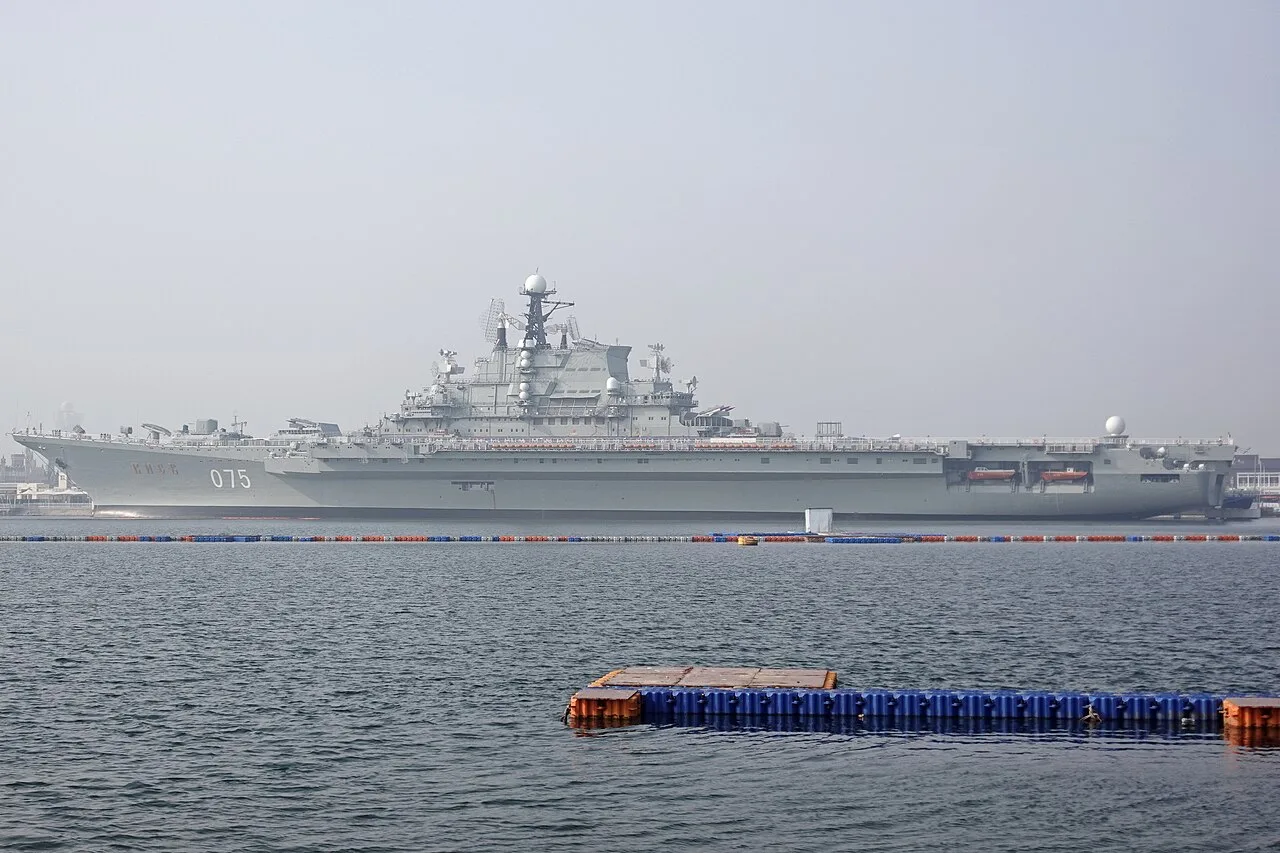
I woke up early on the day of my visit to the TEDA Aircraft Carrier Theme Park, driven by the desire to lay my own eyes on the “Kiev,” docked by the Bohai Bay. The grey-blue hull resembled a steel city sprawled across the land, with a flight deck so vast it seemed endless. From venturing into the missile bays and climbing the island to witnessing the live-action explosions of “Aircraft Carrier Storm,” the sheer scale and impact are something photos simply cannot capture.
1. Location Overview: The TEDA Aircraft Carrier Theme Park is located at No. 269 Hanbei Road, Binhai New Area, Tianjin, situated at Baguatan (formerly part of the Hangu District) on the shores of Bohai Bay. Spanning approximately three square kilometers, the park is about a one-hour drive from downtown Tianjin. It is a National 4A-level tourist attraction and a National Defense Education Demonstration Base, receiving its 4A rating in November 2010. The park centers around the decommissioned aircraft carrier “Kiev,” later joined by the decommissioned domestic destroyer “Chongqing,” as well as torpedo submarines and corvettes, forming a moored “carrier strike group.” In terms of spatial layout, the park serves as the anchor for military-themed tourism in the Binhai New Area, forming a tourism belt alongside the National Maritime Museum of China, Dongjiang Qinhai Park, and the Binhai Cultural Center. Standing on the flight deck and looking out, one side reveals the vast waters of the Bohai Sea while the other showcases the modern Binhai New City. The immersive presence of genuine decommissioned naval vessels is something inland military museums struggle to replicate. To board the ship, you walk across a pier onto this city of steel; with the tides of Bohai Bay beneath your feet and the sound of the sea breeze and snapping flags in your ears, the sense of ceremony is fully realized before you even enter a cabin.
2. Cultural Context: The “Kiev” is a Soviet Project 1143 (Kiev-class) heavy aircraft-carrying cruiser, measuring 273.1 meters in length, 52.8 meters in width, and 61 meters in height, with a full load displacement of 40,500 tons. Construction began in 1970 and it entered service in 1975, serving as the flagship of the Soviet Northern Fleet and earning nicknames like the “Crystal Palace” and the “National Calling Card.” It was decommissioned from the Northern Fleet in 1994. In 2000, Tianjin purchased the giant vessel as scrap steel for 70 million yuan. Over the course of 102 days and 16,850 nautical miles, it was towed to the Tianjin Nanjiang Terminal on August 29, 2000, drawing crowds of tens of thousands along the way. Following the collapse of the Soviet Union, the vessel had sat idle in port for a long time; it took several rounds of negotiations to finalize this transnational deal under the guise of a scrapped vessel. The 70 million yuan purchase bought not just a pile of scrap steel, but a nearly complete piece of naval history. The ship was subsequently developed as a tourism resource, and the TEDA Aircraft Carrier officially opened to the public on October 1, 2004. The theme park expanded gradually from this foundation, achieving its 4A rating and education base status in November 2010. From an ocean-going flagship to a national classroom, its transformation is itself a narrative of maritime defense spanning a century.
3. Highlights: Boarding the ship is the high-point of the trip—the flight deck is as open as an airport, roughly the size of two standard football fields. The island towers above, while the combat command center, missile bays, torpedo rooms, and crew quarters descend level by level. Narrow hatches and steep ladders preserve the authentic feel of a warship, allowing visitors to get a close look at carrier-based aircraft models and various missiles and artillery. The later additions, the “Chongqing” destroyer and the torpedo submarines, are also open to the public; the cramped interior of the submarine, requiring a climb up vertical ladders, offers a rare immersive experience. Regarding entertainment, the live naval battle show “Aircraft Carrier Storm” recreates aerial and sea duels using skydiving, explosions, water combat, and light and sound effects, while stunt car performances add a thrill of speed (showtimes are subject to daily announcements). On summer weekends, the “Flame Encounter · Aircraft Carrier” night show features drone formations, fireworks, and a lighting show on the hull; those who didn’t get enough during the day can return after dark. The architecture and boutiques of the Russian Style Street provide an exotic touch to the hardcore military tour. For military enthusiasts, the greatest value here is the “real deal”—from the carrier radar to the missile launch tubes, everything is original equipment from its service days. The Cyrillic markings and wear and tear on the bulkheads silently tell the stories of the past.
4. Visitor Information: Opening hours vary by season—from March 1 to October 31, the park is open Monday to Friday 9:00–17:30 and Saturday to Sunday 9:00–18:00; from November 1 to the end of February, it is open 9:00–17:00. Some summer weekends feature night sessions with extended hours; please refer to park announcements. Tickets use a “Tourist Passport” system: full price is 220 RMB, with a tiered discount for subsequent visits that eventually leads to free entry; “Green Card” long-term passes are also available (refer to the ticket office for details). Half-price tickets (110 RMB) are available for active and retired military personnel, firefighters, and children between 1.2 and 1.5 meters tall. Children under 1.2 meters, retired cadres, and people with disabilities are free with valid ID. Transportation: Take the Tianjin-Binhai Light Rail Line 9 to Donghai Road Station, then transfer to Bus 127 directly to the park; alternatively, take the light rail to Tanggu Station and transfer to a bus. For those driving, navigate to “TEDA Aircraft Carrier Theme Park.” Parking is available on-site, though spaces are limited during holidays; arriving early or using a ride-share/chartered car is recommended. Some performances and submarine interior tours may require separate tickets or queuing; confirm the daily schedule upon entry. Remember to bring a valid ID for ticket purchase.
5. Travel Tips: It is strongly recommended to enter as soon as the park opens—board the ship first and visit the exhibitions later to avoid tour group peaks, spending more time on the deck and island. The flow inside the ship is mostly one-way; the smoothest route is Combat Zone → Weapons Area → Living Quarters → Hangar. Coordinate your schedule carefully: check the showtimes for “Aircraft Carrier Storm” first, then plan your boarding and dining around them; arrive 30 minutes early to secure a spot for popular shows. To see the full “Carrier Strike Group,” note that submarine tours often require separate queuing or tickets (check on-site signs). The space is narrow and can feel stuffy; those with claustrophobia should exercise caution. Regarding gear: the main deck has strong sunlight and wind, so bring sunscreen and wind-resistant clothing. Ladders are steep and hatches are low, so sports shoes are a must for safety. Audio guides are available for rent to help understand the ship’s structure. For those visiting with children, focus on key cabins and consider using a picture-book style guide for better engagement. For meals, you can visit the Russian Style Street or bring your own snacks and water. The park is large, so pacing your energy is more important than rushing. In rainy weather, decks and ladders become slippery—please slow down. In mid-summer, the interiors can be humid and hot; carry plenty of water. Seniors and children should move at their own pace; sightseeing shuttles are available for certain segments of the park.
6. Best Time to Visit: Spring and autumn offer mild sea breezes and good visibility, making them the best windows for boarding the ship and viewing the sea. The deck is neither too hot nor too cold, and it’s the best time for photography. The highlights of summer are the night shows and seaside sunsets; the “Flame Encounter” fireworks only happen during this season, though you must guard against the sun during the day—try to board the ship in the early morning and visit exhibitions in the afternoon. In winter, the sea breeze is biting and crowds are thin; boarding at midday is most comfortable, and the empty deck takes on a solemn, industrial atmosphere. For itinerary planning, the park can be paired with the National Maritime Museum of China for a “One Ship, One Museum” ocean day, or combined with shell-collecting at Dongjiang Qinhai Park, the Binhai Cultural Center, and grape picking in Chadian for a one-to-two-day Binhai trip. Military buffs can extend their journey northward to the Dagu Port Fort Ruins Museum and the Pingjin Campaign Memorial Hall to complete a Tianjin coastal defense theme line. Starting from the deck of a decommissioned giant to see the past and present of the navy is the most ceremonial way to spend a day.