Xuzhou · Historical Sites
Ximatai (Horse-Playing Terrace)
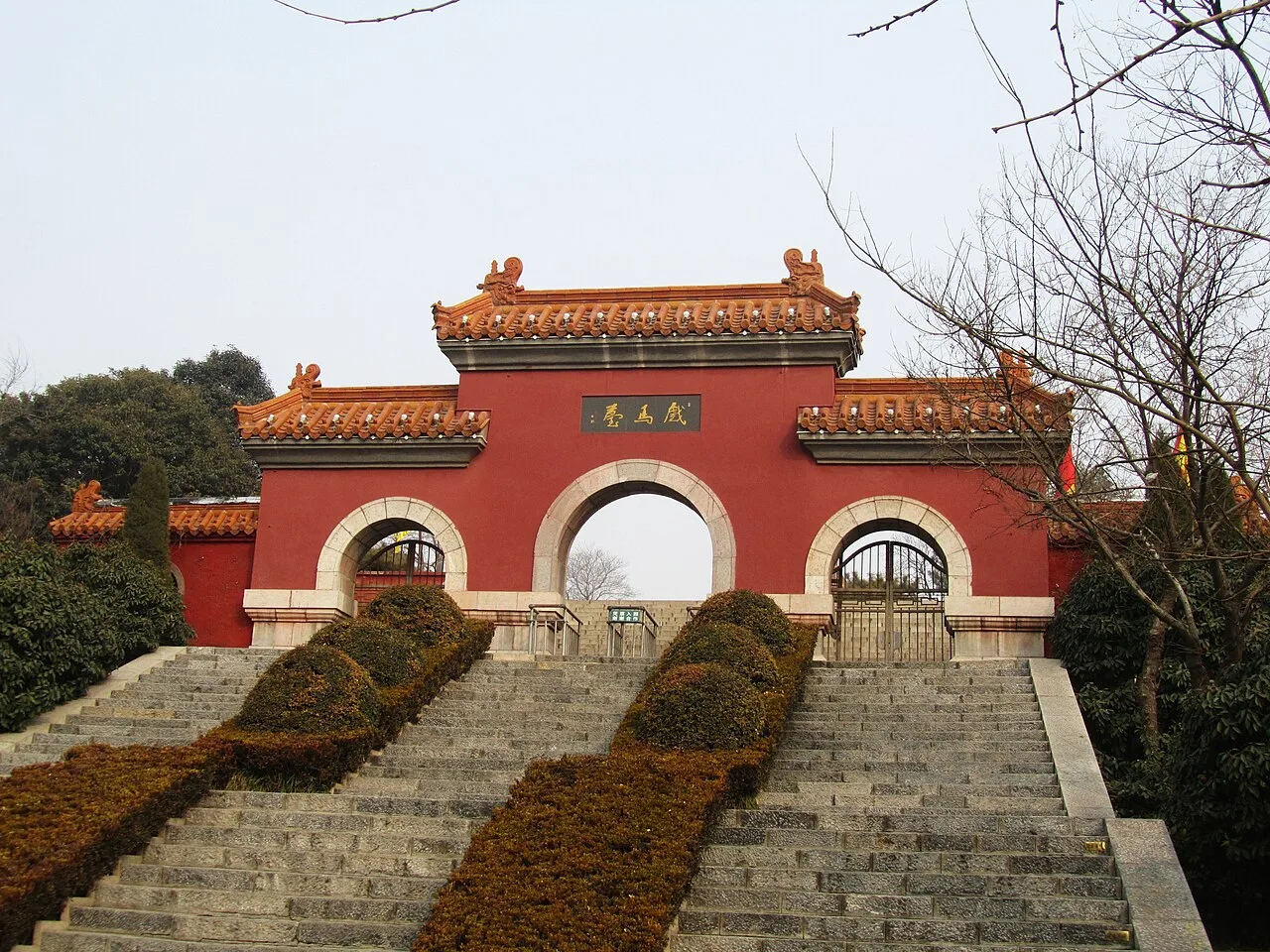
Ximatai is where Xiang Yu once held his “horse-playing” military reviews and remains a historic landmark of Xuzhou. Standing atop the terrace, one can imagine the scene from over two thousand years ago as the Hegemon-King of Western Chu drilled his troops and commanded his armies. Here, the history of the “Chu-Han Contention” steps out of the textbooks and comes alive beneath your feet.
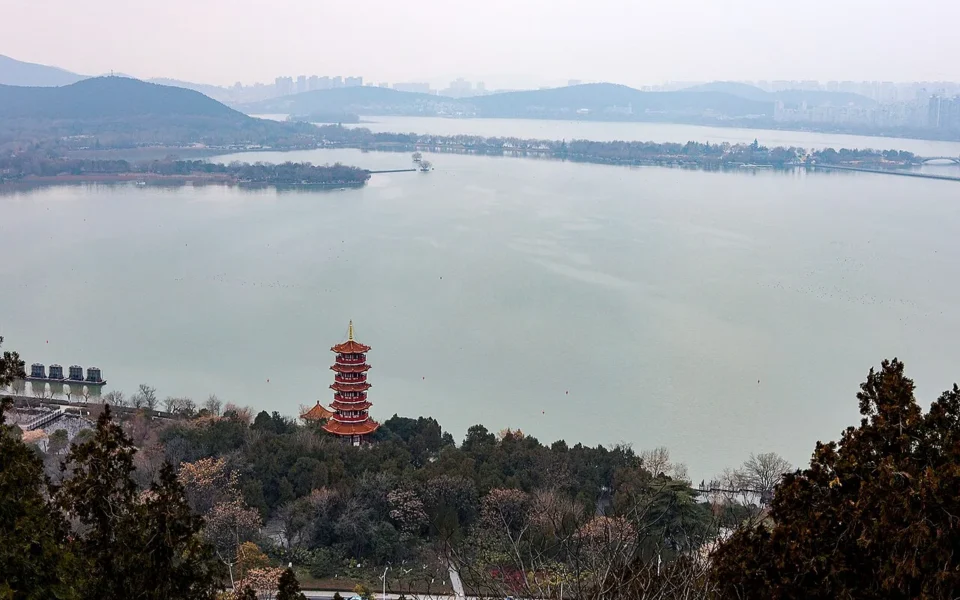
1. Location Overview:Ximatai is located at the highest point of Hubushan in the Yunlong District of Xuzhou. Its address is No. 1 Xiangwang Road, Hubushan, making it an iconic ancient site in the southern part of Xuzhou. Hubushan, originally known as Nanshan (South Mountain), has long been the city’s premier vantage point due to its high and open terrain, offering a panoramic view of the ancient city. Ximatai serves as the core of the Hubushan ancient architectural complex, which is a national 4A-level tourist attraction. It is part of the southern urban cultural belt along with Yunlong Mountain, Yunlong Lake, and the Hubushan Ancient Residences, located just a few kilometers from the city center and Pengcheng Square. Bordering the Huilongwo Historical and Cultural District and Fengchu Street to the south, it is a key node in Xuzhou’s old town cultural tourism cluster. It is the primary site for visitors to understand the history of the Chu-Han contention, experience the majesty of Western Chu, and overlook the cityscape of old Xuzhou. At the foot of the mountain, the cluster of ancient residences—including the Yu, Zheng, and Zhai family courtyards from the Ming and Qing dynasties—complements the ancient terrace on the summit. Ximatai is also a vital endpoint of the recently connected “Pengcheng Qili” (Seven Li of Pengcheng) cultural corridor.
2. Cultural Context:The history of Ximatai is directly linked to Xiang Yu, the Hegemon-King of Western Chu. In 206 BC, after proclaiming himself the Hegemon-King of Western Chu and establishing his capital at Pengcheng (modern-day Xuzhou), Xiang Yu constructed a high terrace on Nanshan to the south of the city to observe his soldiers’ drills and horse races; hence the name Ximatai (Horse-Playing Terrace). The *Chronicles of Xuzhou during the Qianlong Era* also records that “Xiang Yu of Chu used the mountain to build a terrace for viewing horse-playing, thus it was named.” This high terrace became the most striking mark left by this tragic hero in Pengcheng and is one of the oldest surviving relics in Xuzhou, earning it the reputation as the “Number One Sight of Xuzhou.” Throughout various dynasties, many structures were built on the terrace, including Taitou Temple, Sanyi Temple, the Hall of Famous Officials, Jukui Academy, and a stele pavilion. These cycles of destruction and reconstruction transformed the site from a mere military relic into a place of poetic inspiration for literati. In the 1980s, Ximatai was listed as a Xuzhou municipal cultural relic protection unit and underwent restoration, during which the Zhuisheng Pavilion was built on the back mountain to commemorate the heroes associated with the site. It reopened to the public in August 1987. Since January 1, 2022, Ximatai has been free to the public as one of the first pilot classical gardens in Jiangsu Province to offer free admission, returning this piece of Chu-Han memory to the people.
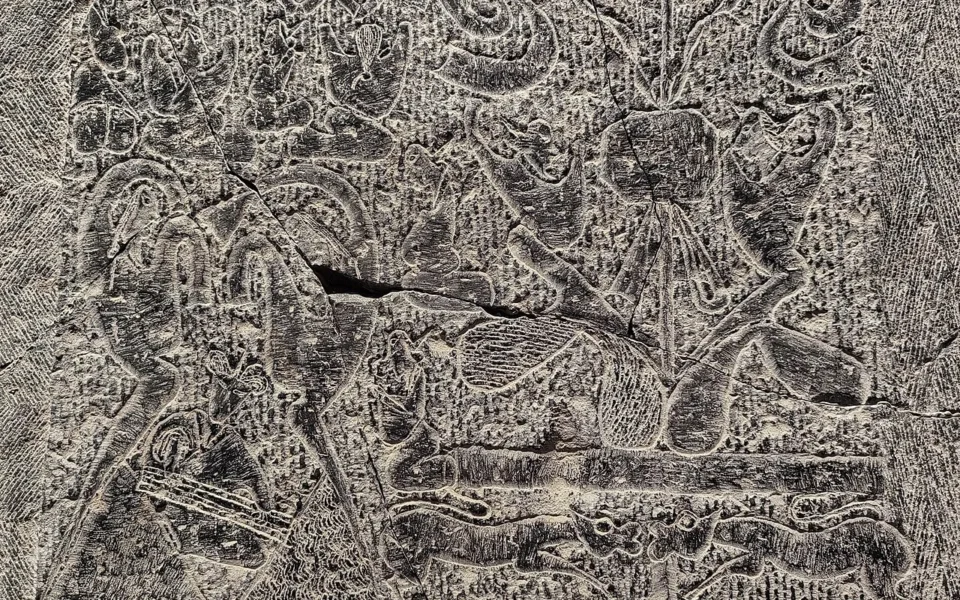
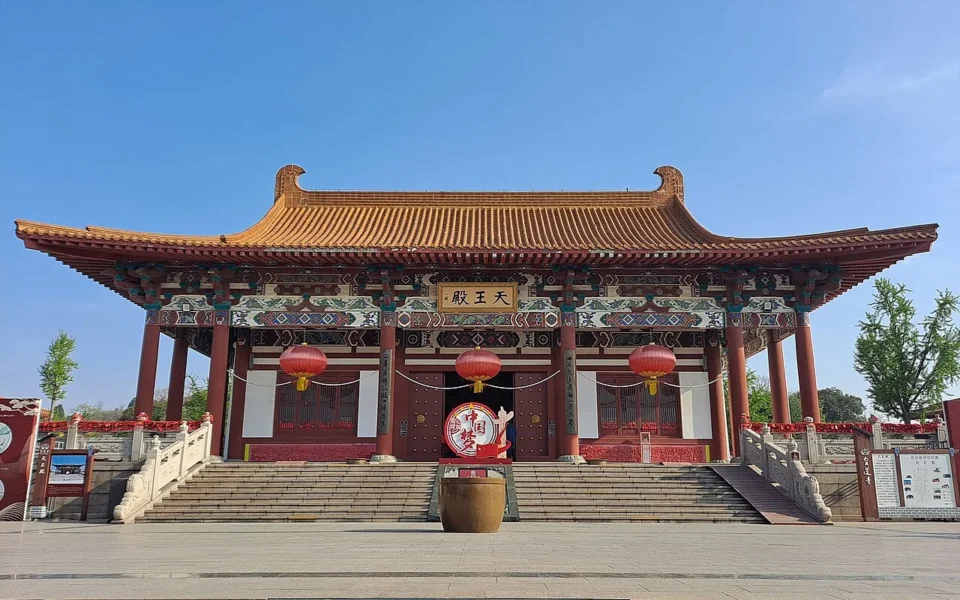
3. Highlights:With the Fengyun Pavilion as its central axis, Ximatai is divided into two main exhibition areas: the East Courtyard (“Spring in the Chu Chamber”) and the West Courtyard (“Autumn Wind Horse-Playing”), featuring dozens of smaller sights. The three characters “Ximatai” above the mountain gate were calligraphed by the master artist Li Keran, and the screen wall is carved with the phrase “Strength to Lift Mountains and Overpower the World”, immediately conveying the aura of a powerful leader. In the East Courtyard stands a 2.9-meter-tall stone statue of Xiang Yu, while the Xionfeng Hall uses massive murals and tripod inscriptions to recount his illustrious military achievements. The West Courtyard houses a giant tripod with the characters “Majesty of the Hegemon’s Empire” cast onto its belly, accompanied by brick-carved screens and vermillion corridors that showcase the elegance of the Chu-Han era. The rear area features a hundred-meter long gallery built along the mountainside, with walls inlaid with stele inscriptions of poetry written about the terrace through the ages. Outside the Zhuisheng Pavilion, a natural boulder resembling a general roaring at the sky is known as the “Xiao-tian Stone” (Heaven-Roaring Stone) or the “Heroic Soul Stone,” evoking Li Qingzhao’s famous line, “While alive, be a hero among men; in death, a hero among ghosts.” Other sites, such as the Chongjiu Terrace, Wuzhui Trough, and Horse-Tying Posts, are scattered throughout. The main hall, Xima Tang, is surrounded by corridors with 24 vermillion pillars and walls with carved window lattices, serving as the ceremonial heart of the complex. From the terrace, the new and old faces of the city are visible, blending ancient elegance with a strong Chu-Han atmosphere, making it the most immersive corner of Xuzhou.
4. Visitor Information:Ximatai has been free since 2022; visitors typically need to register via a QR code upon entry. Opening hours are 9:00 AM to 5:00 PM daily (last entry at 4:30 PM), though special arrangements may follow daily announcements. Address: No. 1 Xiangwang Road, Hubushan, Yunlong District, Xuzhou. Transport: Take Metro Line 2 to Hubushan Station; exit from Exit 4 and walk 5-10 minutes to the East Gate. Alternatively, take bus lines 19, 20, 39, 62, or 612 and get off near the Ximatai or China Life stations. For those driving, navigate to “Ximatai,” but note that parking is limited on weekdays, so public transport or early arrival is recommended. The average visit lasts 1 to 2 hours. As the park is built on a mountain with steps and ramps, those with limited mobility should be accompanied. Use caution on stone steps during rain or snow. The nearby Hubushan Ancient Residences (Xuzhou Folk Customs Museum) can be visited in the same trip, as they are only a few minutes’ walk away.
5. Travel Tips:First-time visitors can follow this efficient route: start at the mountain gate to see Li Keran’s calligraphy and the “Strength to Lift Mountains and Overpower the World” screen wall, proceed to the East Courtyard for the Xiang Yu statue and Xionfeng Hall, then move to the West Courtyard for the giant tripod, brick screens, and vermillion corridors. Climb the Fengyun Pavilion for the best views, and finally descend via the stele gallery, Horse-Tying Posts, and Wuzhui Trough. The best photo spots are the aerial views of the city and Hubushan rooftops from Fengyun Pavilion, the red walls and stone carvings of the stele gallery, the four characters on the entrance screen wall, and the warm light on the summit at dusk. When exploring, focus on the history of Xiang Yu’s military reviews, the narrative of the Chu-Han contention, and the cultural overlap between the ancient residences and the terrace. The poetry inscriptions in the gallery are a “living textbook” of calligraphy and are worth reading closely. The site is ideal for family educational trips (history is more vivid here than in a classroom), history buffs, and seniors. We suggest visiting in the morning when it is less crowded and the light is better for photos. Combining the visit with the Hubushan Ancient Residences avoids backtracking and provides a gentler pace for families with children.
6. Best Time to Visit:Ximatai is suitable for all seasons. Autumn is ideal for nostalgic visits due to the crisp air, spring brings lush greenery to Hubushan, and winter snow makes the red walls appear particularly solemn. During the Chongyang Festival, the imagery of the Chongjiu Terrace aligns perfectly with the ancient custom of climbing heights in autumn. The site is adjacent to the Hubushan Ancient Residences, Huilongwo Historical and Cultural District, and Fengchu Street Food Street, making it perfect for a half-day or full-day tour of the southern old town. A suggested itinerary: visit the terrace in the morning, explore the Ming and Qing courtyards, enjoy Xuzhou cuisine around Hubushan for lunch, visit the creative boutiques in Huilongwo in the afternoon, and head to Fengchu Street for dinner. If time permits, the experience can be extended to the Xuzhou Museum and the Han Culture Scenic Area to create a complete historical journey from the Hegemony of Western Chu to the majesty of the Han Dynasty. In recent years, the Hubushan area has become lively at night; the Hanlin Book Club and creative shops offer a refined evening experience. Many locals now visit Fengchu Street and then return to the mountain for the night view. Though Ximatai occupies only a small piece of land, it carries a thousand-year narrative of heroism, embodying the enduring Chu-Han spirit in the hearts of Xuzhou’s people.